Types of Japanese Rice Flour: A Shopping Guide for Sweets and Dango
The main Japanese rice-flour names to recognise are joshinko, mochiko, shiratamako and dangoko.
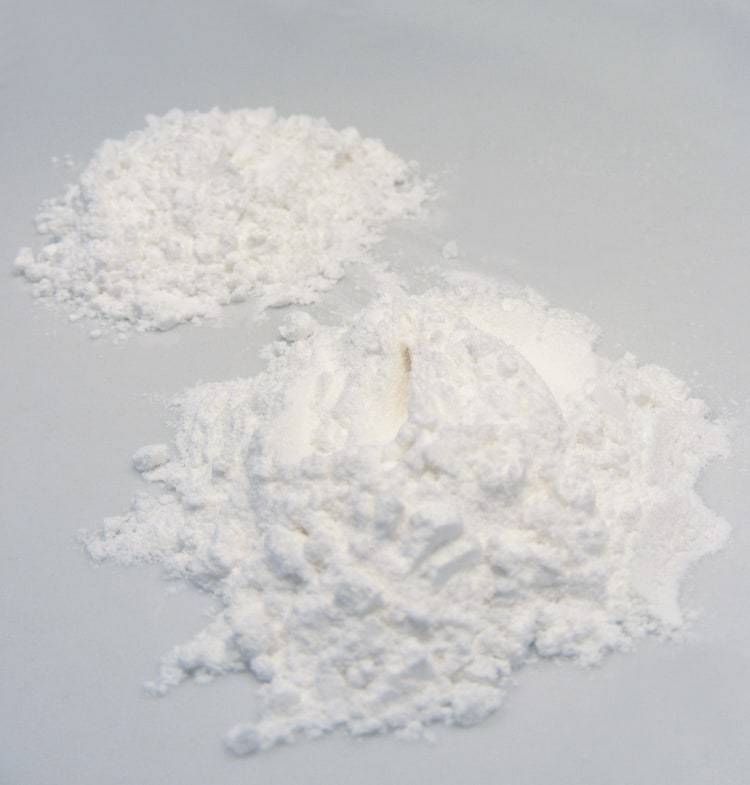
The main Japanese rice-flour names to recognise are joshinko, mochiko, shiratamako and dangoko. They describe different rice types or processing, so translating all four as “rice flour” removes information your recipe needs.
Choose the flour for the dish first. A beautifully organised shelf of white powders is less useful than one correctly labelled bag.
Compare four common types
| Name | Rice or processing distinction | How to use the information |
|---|---|---|
| Joshinko, 上新粉 | Made from ordinary non-glutinous rice | Choose a recipe written for joshinko or a specified blend containing it |
| Mochiko, もち粉 | Glutinous rice flour, usually powdery | Use in a mochiko method; it is not ordinary rice flour |
| Shiratamako, 白玉粉 | Wet-milled glutinous rice, often sold as granules | Work the granules into the dough as the recipe directs |
| Dangoko, だんご粉 | Commonly a blend of ordinary and glutinous rice flours | Follow its own instructions rather than assuming a particular homemade blend ratio |
“Sweet rice flour” is a broad English term for glutinous rice flour. It does not necessarily mean added sugar, and it does not identify every detail supplied by the Japanese name.
Why flour changes the cooking method
Supplier Simoda distinguishes joshinko methods involving hot-water mixing and steaming from water-mixed, boiled preparations possible with its dango and shiratama flours. This is useful evidence that the method and ingredient belong together.
A dumpling's floating cue in one recipe is not a complete method for every flour on this list. Use the full sequence for the specific sweet, including any additional cooking after shaping.
Why shiratamako looks granular
Its visible granules do not mean it makes a coarse dumpling. Maehara Seifun explains that the wet-milling process produces finer underlying particles than mochiko, contributing to a smoother result. The dry appearance alone is therefore a poor guide to the cooked texture.
For more detail, see shiratamako vs mochiko. If you cannot find the named flour, our shiratamako substitution guide distinguishes practical alternatives from changes that need a different recipe.
A first shopping list
For shiratama dumplings, buy the shiratamako specified by the method. For a mochiko-based sweet, buy mochiko. For a recipe using joshinko and shiratamako together, keep both components unless the author supplies an alternative. If you buy dangoko, choose a dangoko recipe or use the bag's directions.
Check the ingredients on mixes, retain preparation instructions and weigh flour when weights are provided. These are Japanese ingredient categories; the name alone does not prove that the rice was grown in Japan.
Individual guides: joshinko, mochiko, shiratamako and dangoko.