Why Mochi Becomes Hard: Storage, Drying and the Type You Bought
Mochi can firm as its cooked starch changes during storage, and an exposed surface can also dry out.
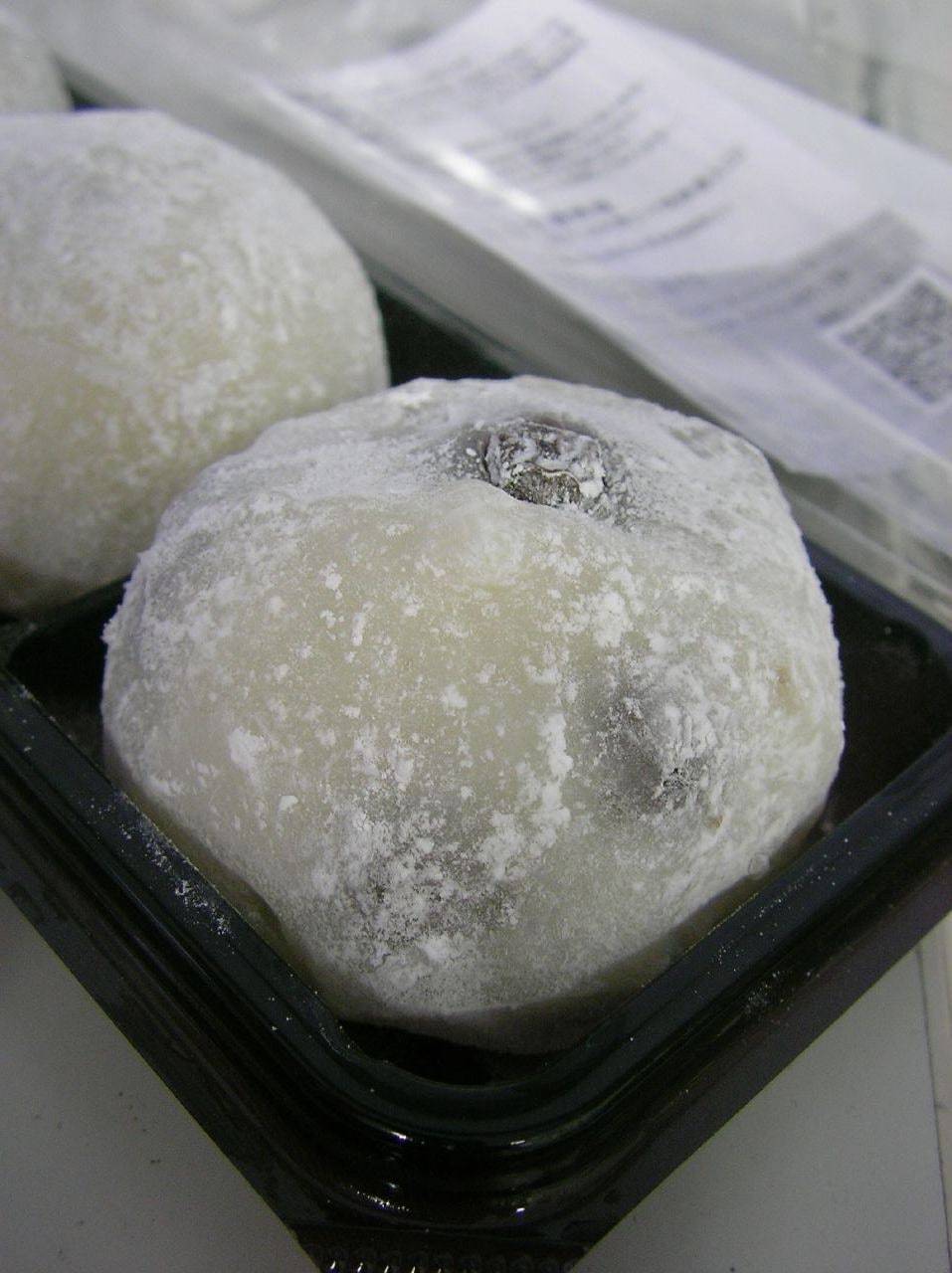
Mochi can firm as its cooked starch changes during storage, and an exposed surface can also dry out. But first identify the product: a hard packaged kirimochi block intended for cooking is different from a fresh, soft daifuku sweet. The same “softening trick” is not suitable for both.
Hardness alone does not tell you whether a product is stale, spoiled or simply waiting to be cooked.
Which mochi are you handling?
| Product | What to establish first |
|---|---|
| Plain packaged cooking mochi | It may be intentionally firm; use its heating instructions |
| Fresh daifuku with a filling | Storage must suit both the wrapper and the filling |
| Mochi ice cream | A frozen dessert; follow its serving directions rather than heating it |
| Homemade flour-based mochi | Recipe composition and storage affect how long it stays soft |
Why a sealed container does not prevent every change
Covering helps protect against surface drying, but cooked starch can still firm. Food-science research describes this storage-related starch change as retrogradation. You do not need the term to cook dinner, but it explains why “it was airtight” does not settle the question.
The recipe matters too. Plain pounded rice, a sweetened flour-based wrapper and a commercial formulation can have different textures after cooling. Do not use a bought sweet's shelf life as a promise for a homemade version.
What about the refrigerator?
Just One Cookbook notes that its daifuku can harden in the refrigerator and offers freezing as a make-ahead option. That is texture guidance for that recipe, not permission to ignore a perishable filling's refrigeration needs.
For bought sweets, follow the maker's storage directions. For homemade ones, use a complete recipe that addresses the filling and storage. A soft wrapper is not more important than keeping the whole dessert appropriately stored.
Can hard mochi be softened?
Plain cooking mochi is designed to be heated by the method on its packet. Products differ in thickness: Sato, for example, sells thin shabu-shabu mochi with its own cooking instructions. Do not copy its timing to a thick block.
For filled sweets, reheating can affect or melt the filling, so do not microwave the entire batch on generic advice. If your recipe offers a specific thawing or softening method, use it for that preparation. Never treat warming as a way to rescue mouldy or otherwise spoiled food.
Prevent the avoidable problems
Keep the product covered as its method requires, prepare a suitable quantity, and follow recipe-specific freezing guidance when making ahead. If a flour-based sweet becomes unexpectedly firm immediately after cooling, also check that you used the intended glutinous rice flour, rather than ordinary rice flour.