Shiratamako vs Mochiko: Choosing Flour for Japanese Rice Sweets
Shiratamako and mochiko are both glutinous rice flours, but their processing differs.
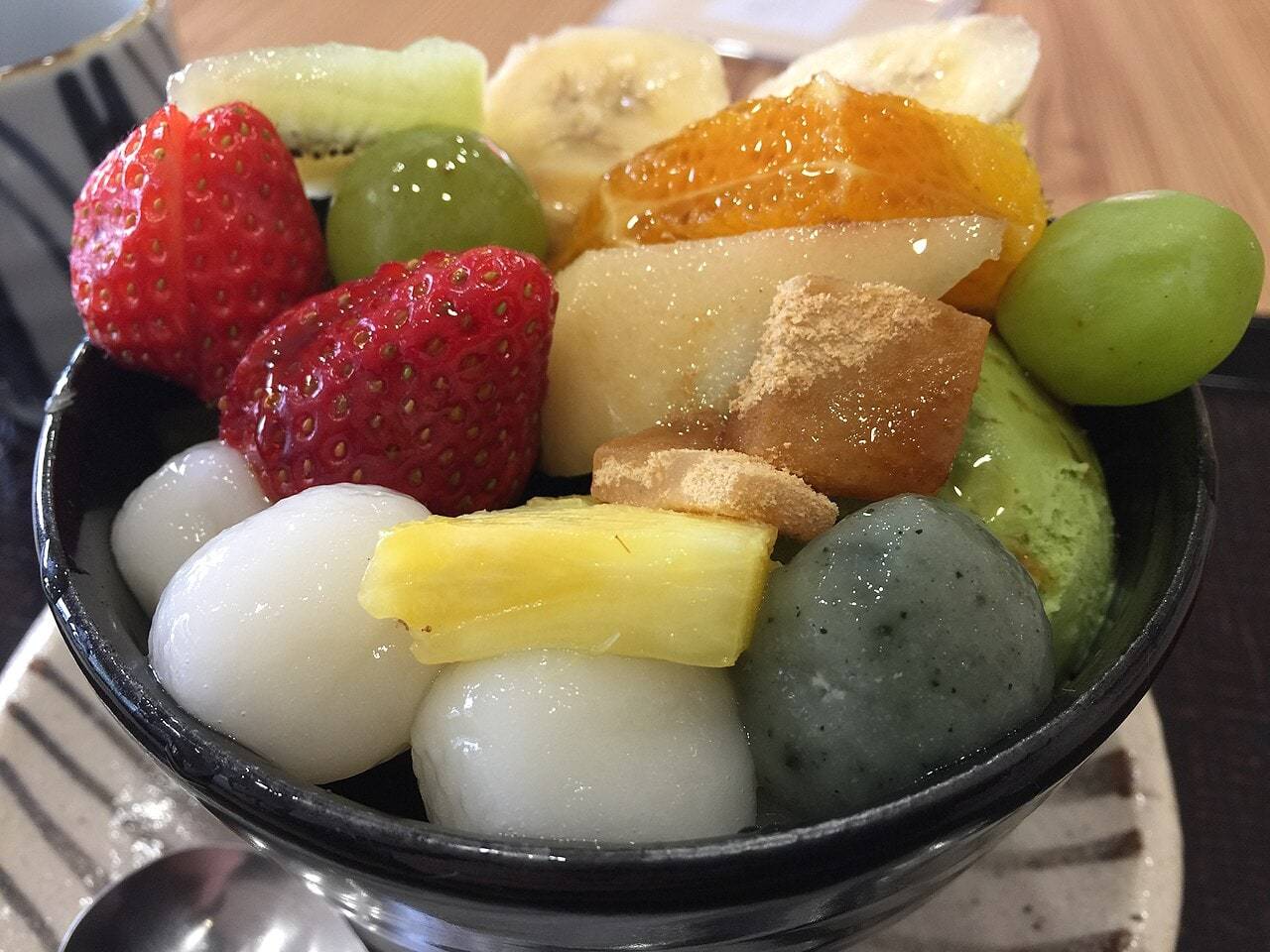
Shiratamako and mochiko are both glutinous rice flours, but their processing differs. Choose the flour named in your recipe when a smooth, springy dumpling or delicate mochi texture is the main attraction. Being made from the same kind of rice does not make the two identical.
Mochiko usually looks like a fine powder. Shiratamako often looks like little chalky granules. Oddly enough, the more visibly lumpy product can make the smoother dough.
The processing explains the texture
Japanese flour producer Maehara explains that shiratamako is made by grinding soaked rice with water, then drying it. Mochiko is milled without water after the rice has been washed and dried. Although shiratamako is sold in granules, its underlying particles are finer.
The manufacturer connects that difference with a smoother dumpling and a texture that hardens less readily. That is a comparison between products, not a promise that a finished sweet will stay soft indefinitely.
| In the kitchen | Shiratamako | Mochiko |
|---|---|---|
| Dry appearance | Granular | Powdery |
| Main shopping name | Shiratamako, 白玉粉 | Mochiko, もち粉 |
| Practical reason to choose it | A recipe designed for smooth rice dumplings | A recipe formulated for mochiko, including many widely available mochi recipes |
| What to avoid | Leaving dry granules in the dough | Replacing it with ordinary non-glutinous rice flour |
Can you substitute mochiko for shiratamako?
It is a plausible alternative within the glutinous rice flour family, but expect a texture change and use recipe-specific guidance. Namiko Hirasawa Chen describes mochiko as producing a doughier, less elastic result than shiratamako. That matters more in a plain dumpling than in a dessert with several other ingredients.
Weigh the flour, then follow a method written for that flour. Do not copy a water quantity blindly between two recipes whose sugar, tofu or other liquid ingredients also differ. Water in a dough comes from more than the measuring jug.
Do not confuse either with joshinko
Joshinko comes from ordinary rice. Dangoko may combine ordinary and glutinous rice. These are useful ingredients for their own preparations, rather than interchangeable English translations of “rice flour.”
If you own mochiko and want to make dango, finding a mochiko-based dango method is a more reliable starting point than improvising several flour substitutions at once. If you are buying specifically for shiratama dumplings, buy shiratamako and learn the intended texture first.
Keep the label with the flour when decanting it. A row of white powders in matching jars looks lovely until dessert becomes a blind identification exercise.