Shiratamako Substitutes for Dango: Which Flour Can Work?
Mochiko is a practical alternative for some shiratama dango recipes, provided you use a method that gives instructions for it.
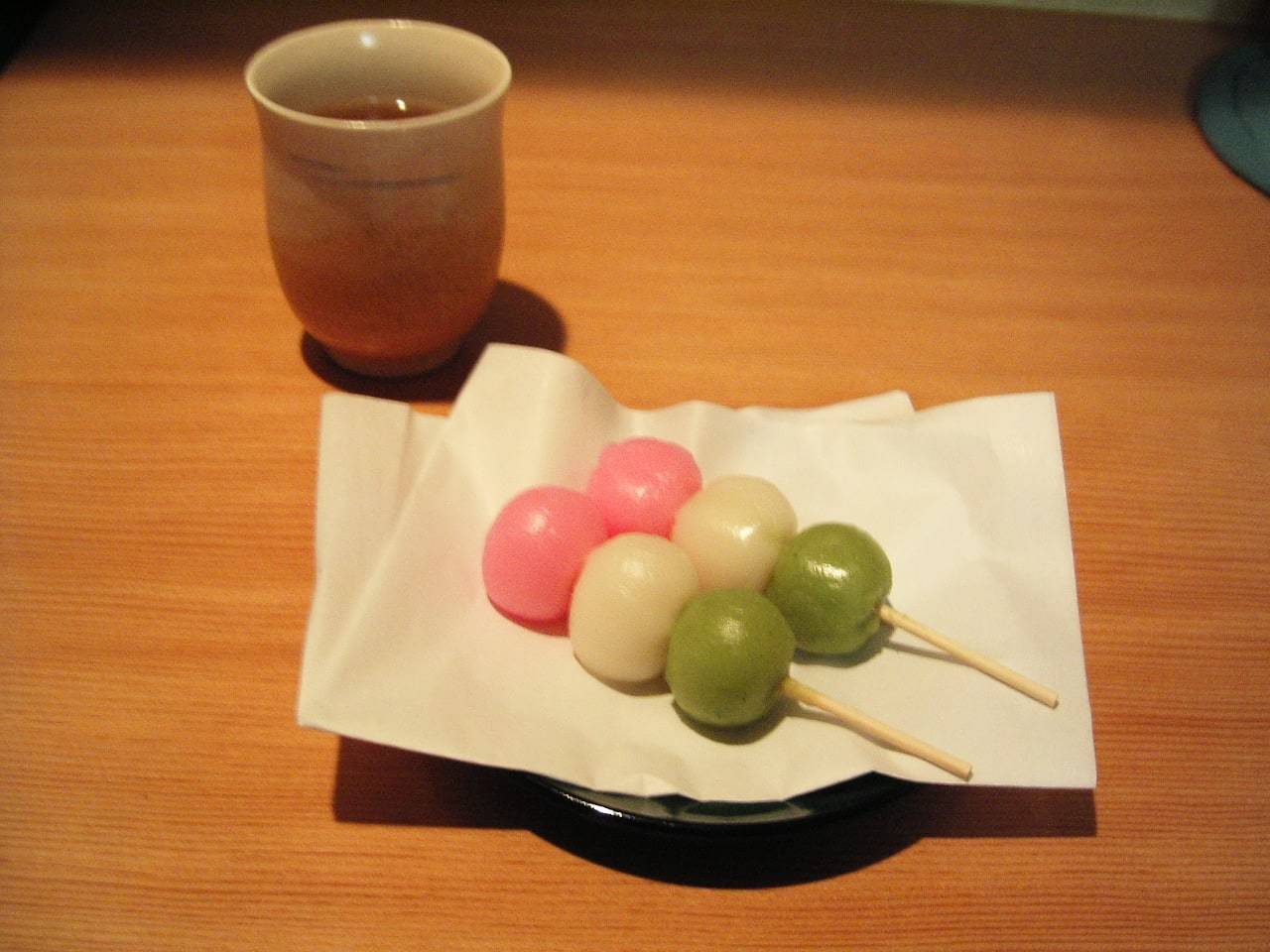
Mochiko is a practical alternative for some shiratama dango recipes, provided you use a method that gives instructions for it. For other dango styles, dangoko or a specified blend may be the better route. Ordinary rice flour alone is not a universal replacement for shiratamako.
Start by identifying the dumpling, not just the word dango. Different recipes deliberately aim for different textures.
Choose the alternative by recipe
| If your recipe makes… | A useful alternative route | What changes |
|---|---|---|
| Shiratama dango | A version written for mochiko | Water allowance and finished texture may differ |
| Skewered mitarashi dango | A recipe using dangoko or a specified flour blend | Follow that blend's method rather than replacing one component blindly |
| Hanami dango | A recipe that explicitly offers an alternative flour | Keep the alternative's liquid and cooking instructions together |
| A tofu-based dango | Another tofu-and-flour formulation | Tofu supplies water too; a flour-and-water ratio alone is insufficient |
Why mochiko is the first alternative to investigate
Both mochiko and shiratamako are glutinous rice flours. They are processed differently, however, and do not make identical doughs. The safest approach is to use a complete recipe for the flour you own.
Just One Cookbook's shiratama dango recipe explicitly allows mochiko when shiratamako is unavailable. That is useful support for that particular preparation, rather than proof that every dango recipe accepts the same replacement.
Measure flour by weight when the method supplies weights. A cup of granular shiratamako and a cup of powdery mochiko need not represent the same amount of flour. Add liquid in stages so you can stop at the recipe's described dough texture.
What about dangoko or joshinko?
Dangoko is a flour blend intended for dango, commonly combining ordinary and glutinous rice. Use a dangoko method if that is what you have bought. Its existence does not mean it has precisely the same composition as a particular recipe's homemade blend.
Joshinko is made from ordinary rice. It can be an intentional ingredient in a blend, but replacing all the shiratamako with it changes the rice-flour balance. Do not confuse “used in dango” with “equivalent in every dango.”
Make one small batch first
Keep the shape and size consistent, and follow the chosen recipe's cooking endpoint. Do not judge every dough by a floating dumpling alone if the method calls for further cooking. If the result is firmer or softer than expected, record the flour and liquid used before changing several ingredients at once.
For the shopping distinction, our shiratamako vs mochiko guide explains why the powders behave differently.