Rice Flour: Choosing the Right Type for Cooking and Baking
Rice flour is milled rice, but that simple description covers products with different uses.
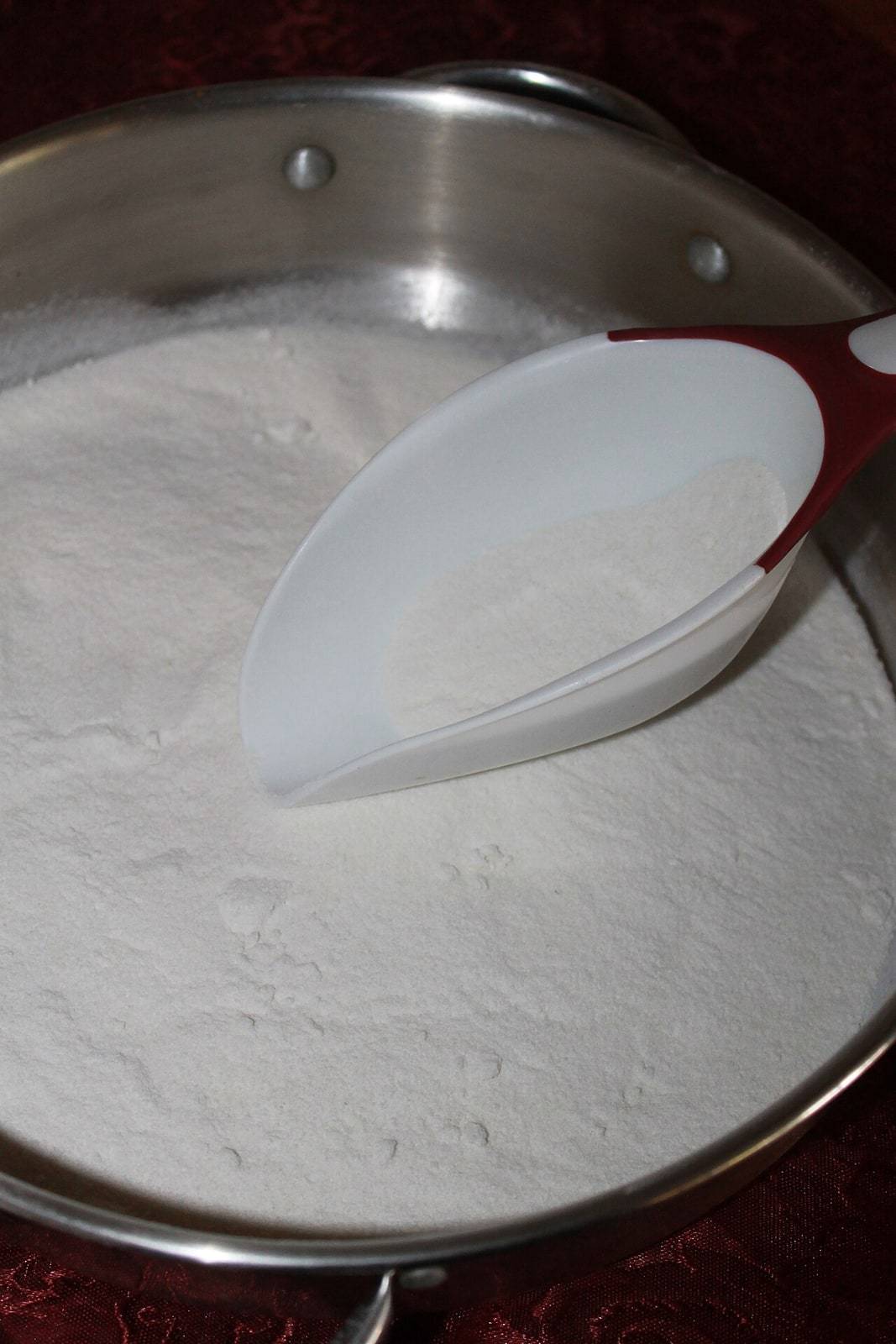
Rice flour is milled rice, but that simple description covers products with different uses. Ordinary white rice flour, brown rice flour and glutinous rice flour are not one interchangeable ingredient.
The most useful first question is what your recipe names. A bag that says only rice flour may be suitable for one preparation and a poor match for another.
Ordinary and sweet rice flour
Ordinary rice flour is made from non-glutinous rice. Sweet rice flour, also called glutinous rice flour, is made from sticky rice and behaves differently when cooked. Sweet in the name does not necessarily mean sugar has been added.
Do not buy sweet rice flour simply because the recipe is for a dessert, or ordinary rice flour simply because the dish is savoury. The ingredient is chosen for its cooking properties rather than the meal's place on the menu.
What ordinary rice flour can do
Koda Farms describes its Diamond K rice flour, milled from medium-grain rice, as useful for dosa and other snacks as well as specialised gluten-free cooking. In baking, rice flour can also be one component of a blend rather than the entire flour allowance.
That distinction matters. A ready-formulated baking blend may include starches and binders that a bag of plain rice flour does not contain. A one-for-one claim on the blend cannot be transferred to each ingredient separately.
Check for a more specific name
Japanese recipes may name joshinko, mochiko or shiratamako. Those names supply information that the general English words rice flour omit. Follow the named ingredient where the recipe's texture depends on it.
A useful first purchase
Choose a recipe, then buy the exact flour it specifies. If a recipe gives weights, use them rather than assuming every rice flour fills a measuring cup identically. Label any storage jar with the flour type and keep the packet’s cooking directions.