Joshinko: Japanese Rice Flour for Dumplings and Other Dishes
Joshinko is flour made from ordinary, non-glutinous rice, rather than the glutinous rice used for mochiko and shiratamako.
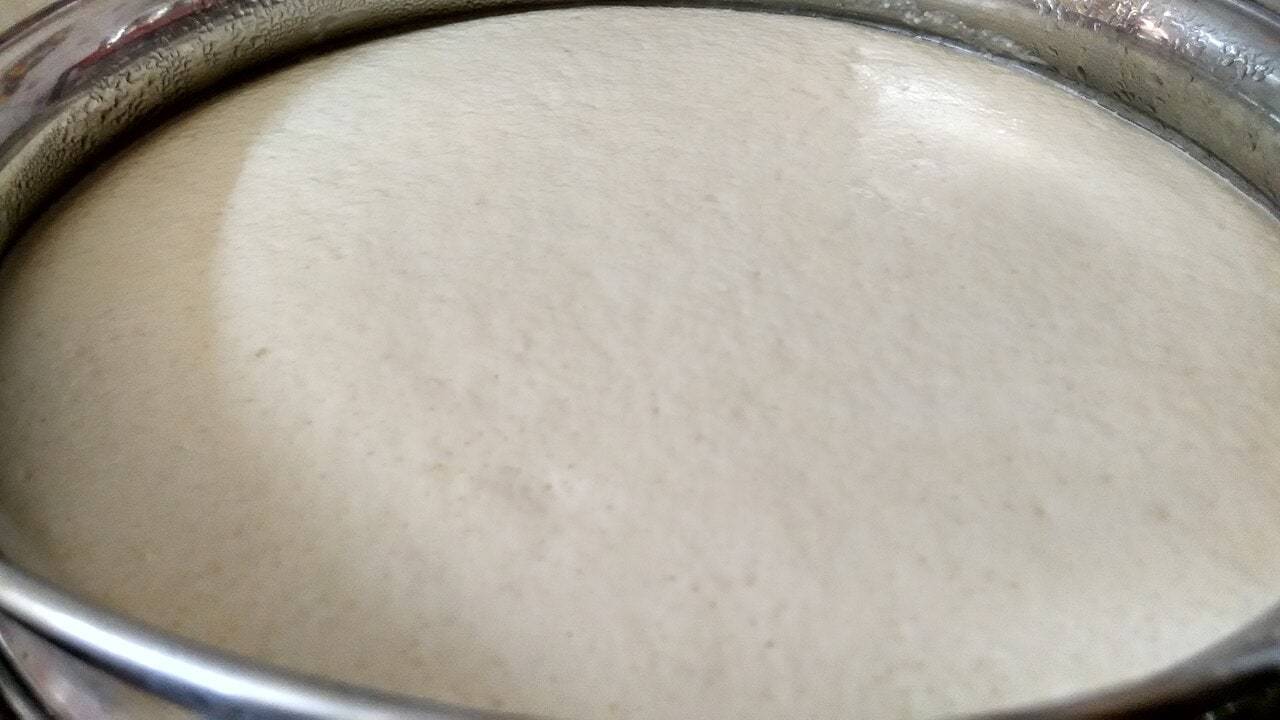
Joshinko is flour made from ordinary, non-glutinous rice, rather than the glutinous rice used for mochiko and shiratamako. That difference affects the texture of a cooked sweet or dumpling.
It is one of the names worth keeping intact on a shopping list. Translating everything to rice flour saves a few syllables and can lose the most useful information.
How it differs from other Japanese rice flours
Supplier Simoda distinguishes three products by their rice: joshinko uses ordinary rice, shiratamako uses glutinous rice, and dangoko combines both. A recipe that blends flours is deliberately adjusting the finished texture.
Joshinko is used in Japanese sweets including dango and kashiwa mochi. It should not be assumed to create the same stretchy result as a glutinous-rice flour.
Follow the appropriate cooking sequence
The flour is not simply a garnish to stir in at the end. Simoda's guidance describes joshinko dumpling methods involving hot-water mixing and steaming, distinct from some water-mixed, boiled glutinous-rice preparations.
Choose a full recipe for the specific sweet and flour. A finishing cue from another kind of dumpling, such as floating in boiling water, is not a complete substitute for that method.
Is it only for sweets?
No. Hinode also suggests adding its joshinko to tempura flour. This illustrates a savoury use, but the proportion and complete batter method still need to come from the chosen recipe.
Buying and substituting
Look for joshinko or 上新粉 and check the ingredients. A Japanese-style ingredient does not necessarily mean the rice itself was grown in Japan; Hinode, for example, identifies US-grown rice for its product.
Replacing it with mochiko or shiratamako changes the rice type. If that is all you can find, choose a recipe developed for the alternative rather than expecting the same texture from an unchanged formula.