Dangoko: The Rice-Flour Blend Made for Dango
Dangoko is a flour blend used for dango, the Japanese rice dumplings often served on skewers or with sweet toppings.
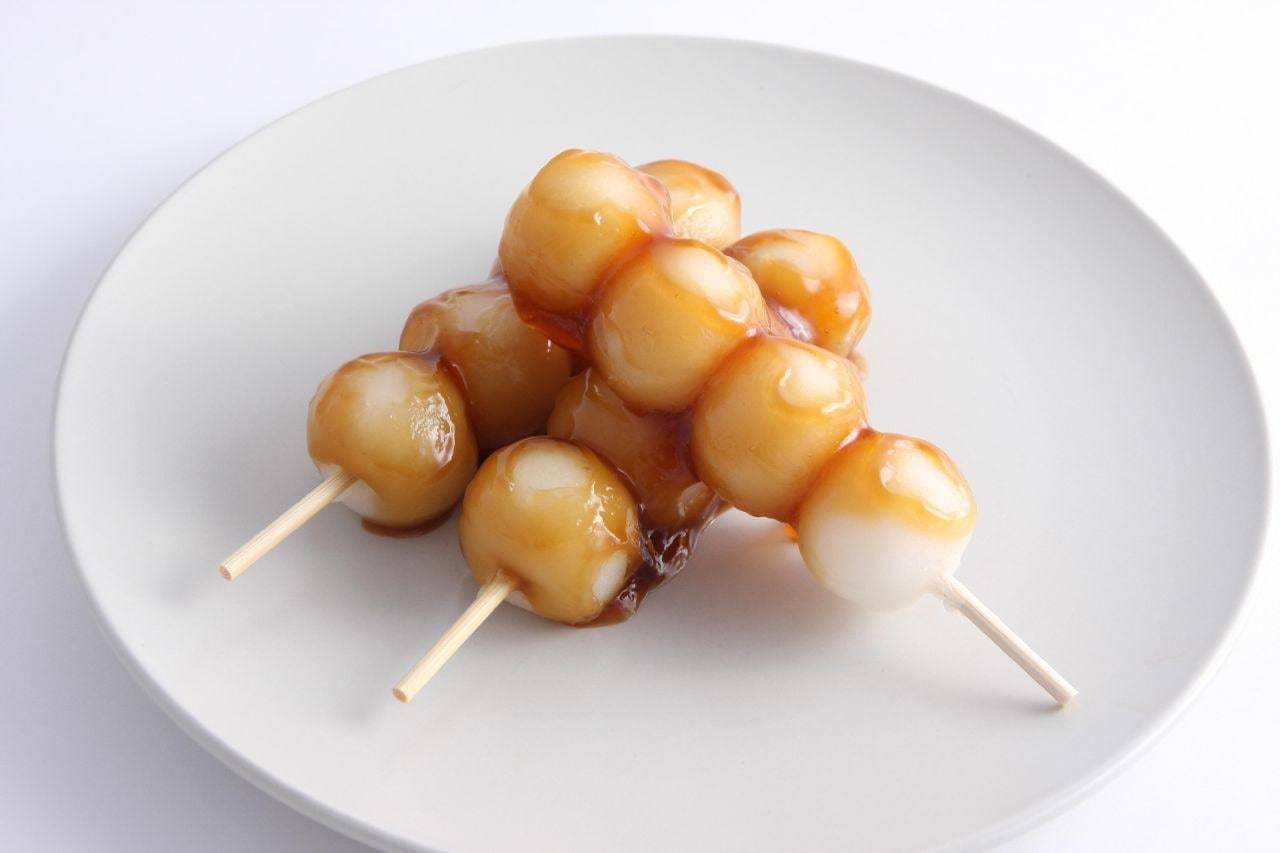
Dangoko is a flour blend used for dango, the Japanese rice dumplings often served on skewers or with sweet toppings. It commonly combines flour from ordinary rice and glutinous rice.
That makes it different from a bag of pure mochiko or shiratamako. The blend is intended to provide a particular dumpling texture, not simply to save space in a cupboard full of rice flour.
What is in the packet?
Hinode's dango flour combines glutinous rice and non-glutinous rice. Its product description lists uses including mitarashi dango and dumplings served with kinako or in sweet bean soup.
Recipes can also create a blend from separate flours. Do not assume that a commercial dangoko contains the same proportions as a recipe's homemade mixture. Check the packet's directions if you use it in place of that blend.
How it differs from joshinko
Joshinko is made from ordinary rice. Dangoko also includes glutinous rice. Supplier Simoda explains that the ingredients lead to different preparation approaches: its general guidance distinguishes joshinko methods involving hot-water mixing and steaming from the water-mixed, boiled preparations possible with its dango and shiratama flours.
Use that distinction to choose a suitable recipe, rather than reducing every product to one universal boil-until-floating instruction.
Making a first batch
Follow a recipe written for dangoko or the instructions on the bag. Measure the liquid and make the specified dough before shaping evenly sized pieces. Very uneven dumplings make the cooking stage harder to judge.
Prepare the topping separately and assess the dumpling itself. A glossy sauce can make a plate attractive without proving that the centre has the intended texture.
When the shop has only other rice flours
Choose a dango recipe developed for those flours. That is more reliable than replacing dangoko with a single flour and assuming the blended product's water quantity still applies.