How to Cook Lentils Without Turning Them Mushy
Choose the right lentils, control the simmer and check the texture early. A practical guide to lentils for salads, soups and everyday meals.
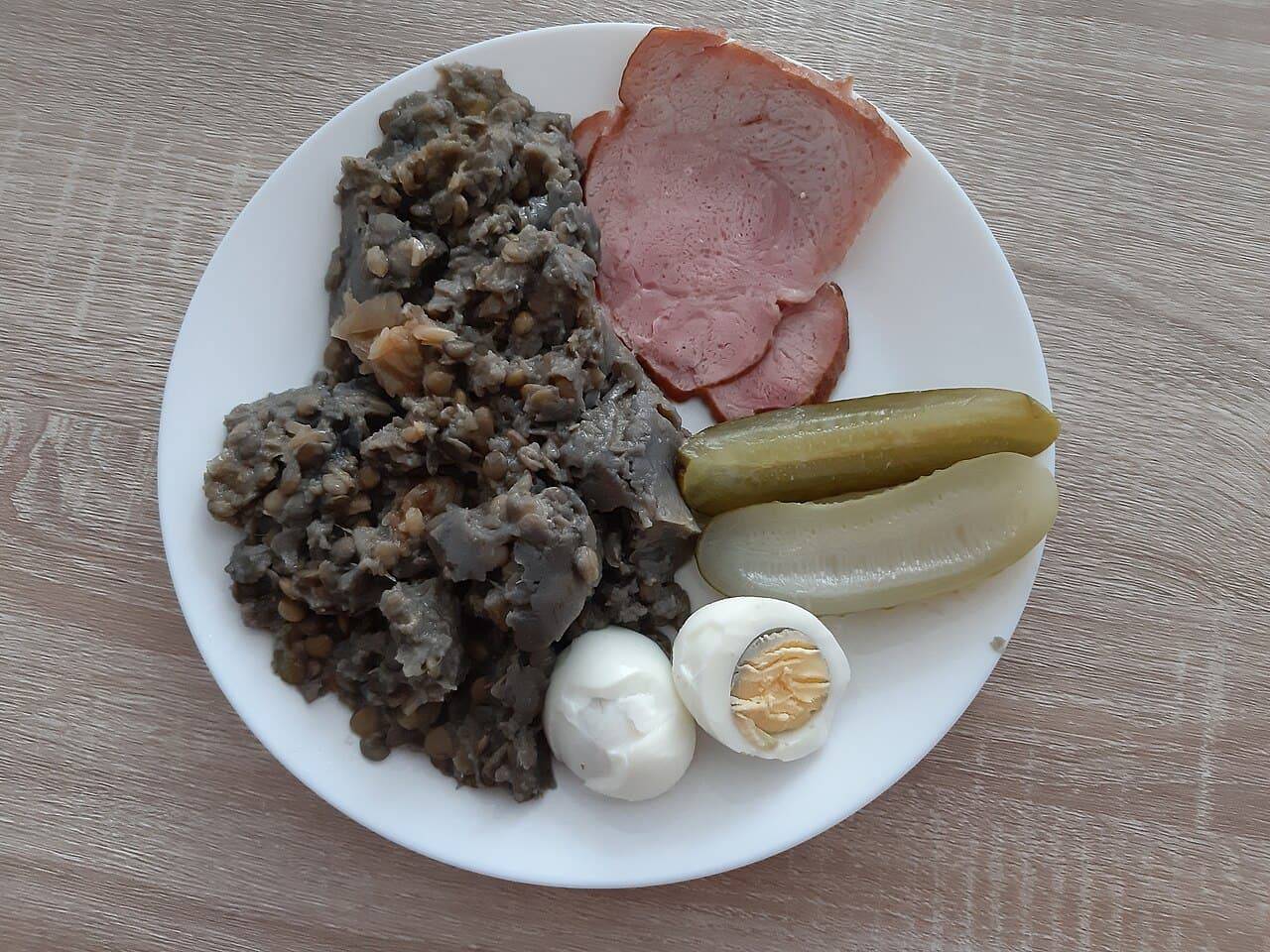
A good pot of lentils begins with a question: do you want individual lentils that hold their shape, or a soft mixture that thickens a soup? Both can be excellent. The disappointment comes from expecting the same result from every bag. Choose a variety for the dish, give it a gentle simmer, and begin checking before the printed cooking time has passed. That approach is more useful than trying to rescue an overcooked pot.
Match the lentil to the meal
Whole brown and green lentils are useful when you want a spoonful with recognizable grains. French green lentils are especially suited to salads because they retain their shape well. Split red lentils are a different ingredient in practice: their skins have been removed, and they soften and break down quickly. Choose them for a smooth soup, a thick stew or a soft side dish. A recipe that calls for whole green lentils will change considerably if you substitute split red ones. The change is about texture as much as cooking time.
Sort, rinse and check the packet
Spread the dry lentils across a pale plate or shallow tray and look for small stones, damaged pieces or other debris. Rinse them in a fine sieve under cool running water. Lentils generally do not need the long soak associated with many dried beans. Read the packet anyway, particularly if you are using an unfamiliar variety or a seasoned mixture. Keep the packaging until the first batch is cooked; it tells you exactly what you bought and gives a sensible starting point for the next attempt.
A cup of lentils can produce more cooked food than it appears to promise. Start with a modest batch if you are learning the texture. It is easier to watch one saucepan carefully than to manage a large pot while preparing several other dishes.
Use enough water and a gentle simmer
For lentils you plan to drain, an ample-water method gives you room to adjust. Put the rinsed lentils in a saucepan with enough water to cover them generously, bring to a boil, then reduce the heat to a gentle simmer. For an absorption-style recipe, use the liquid quantity specified for that variety and dish. These are different methods, so a water ratio from one should not be treated as a universal rule for the other.
Keep an eye on the liquid level and add hot water when needed. Violent boiling knocks softened lentils around the pan and makes it harder to preserve their shape. Stir gently, just enough to prevent sticking and check how the bottom of the pan is behaving. A thicker soup may need more attention than lentils cooking freely in water.
Taste for the result you need
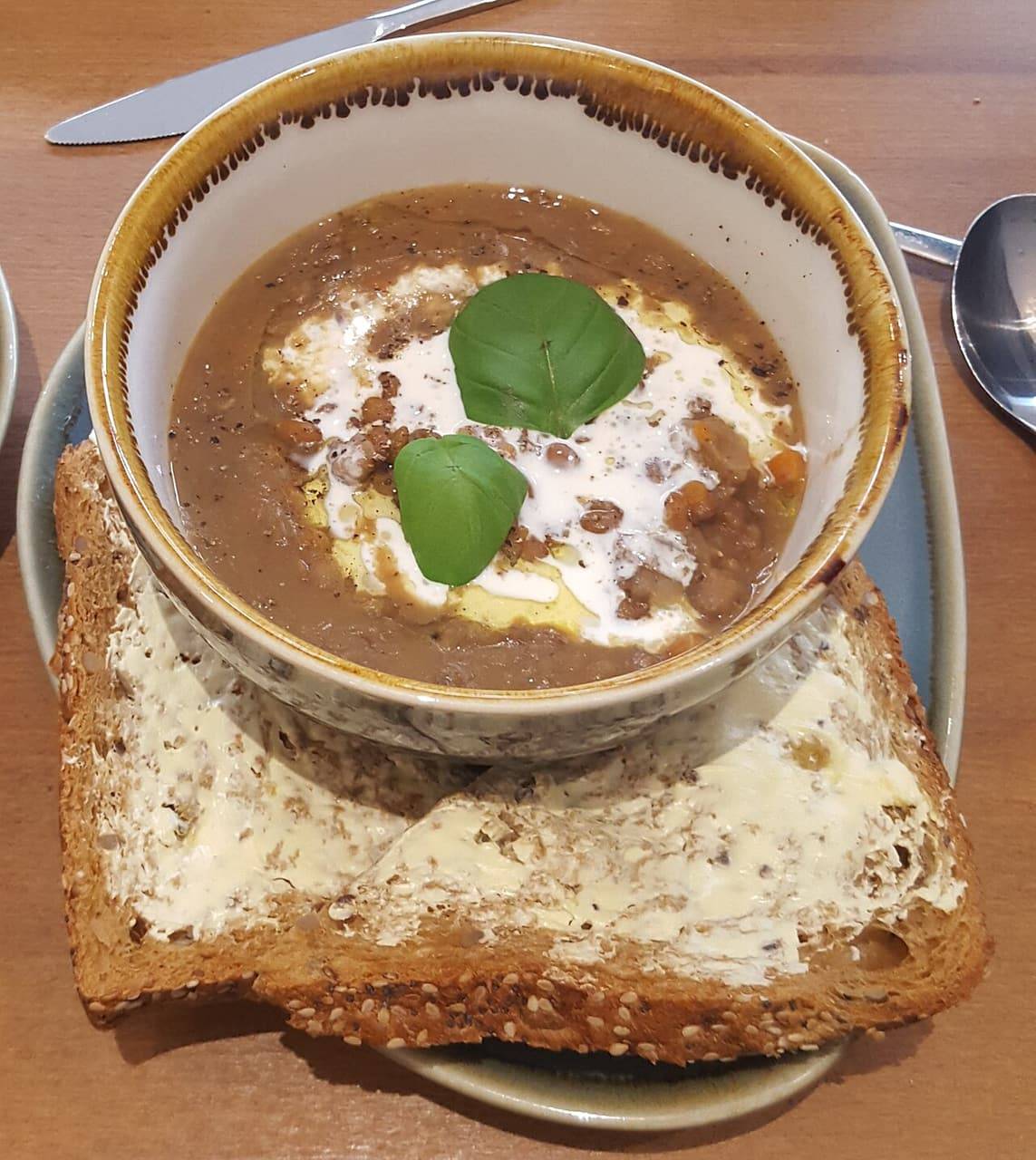
Start testing a little before the packet suggests. Lift out a few lentils, let them cool briefly and taste them. For a salad, the center should be tender rather than chalky, while the outside still holds together. For soup, let the lentils soften further if that is the texture you want. Age, variety and cooking conditions can all change the timing. A timer reminds you to look; it cannot tell you whether a particular pot has reached the right point.
If some lentils seem softer than others, test several rather than judging the whole batch from one. Check that the simmer is even and that the water has not dropped too low. Avoid turning up the heat simply because dinner is running late; extra agitation may damage the outside before the center catches up.
Drain and season with the finished dish in mind
Drain shape-holding lentils promptly once they are ready. If a recipe requires a particularly dry mixture, allow them to steam off in the sieve briefly rather than leaving them sitting in cooking water. For a warm salad, a little dressing can be folded through while they are still warm. For a soup, adjust the liquid and seasoning after the lentils have softened so you can judge the final consistency.
Think in contrasts. Lentils have an earthy flavor that works with a bright dressing, chopped herbs, something crunchy and a little richness. Try cooked lentils with roasted carrots, parsley and a lemon dressing, or use them as one component in a flexible grain bowl. These are serving ideas, rather than a claim that one combination is nutritionally complete for everyone.
When the lentils have already gone soft
Soft lentils are not automatically a failed meal. If they have been handled safely and simply cooked beyond the salad stage, change the plan. Blend them into a soup, fold them into a thick vegetable stew or mash them into a spread. Add liquid gradually when blending because it is easier to thin a mixture than to thicken one that has become watery. Keep seasoning additions small until the texture is settled.
Do not add uncooked lentils to the finished pot to absorb excess water unless you intend to cook them fully. That shortcut creates a mixture of overcooked and undercooked pieces. Instead, simmer uncovered carefully, drain some liquid where appropriate, or accept a soupier result.
Make the next batch more predictable
Write a short note on the packet: variety, approximate simmering time and the texture you liked. Store the remaining dry lentils sealed in a cool, dry place and rotate older bags forward. Refrigerate cooked lentils promptly in shallow containers, label them, and use a current food-storage guide for the dish you have made. A pot containing meat, dairy or other ingredients should be treated according to the whole recipe, rather than the lentils alone.
The most useful kitchen skill here is learning what different lentils are good at. Once the variety matches the meal, a gentle simmer and an early taste check do most of the work.