Can You Freeze Cooked Lentils? A Practical Storage Guide
Freeze cooked lentils in useful portions, distinguish storage safety from freezer quality, and plan thawing and reheating without wasting a batch.
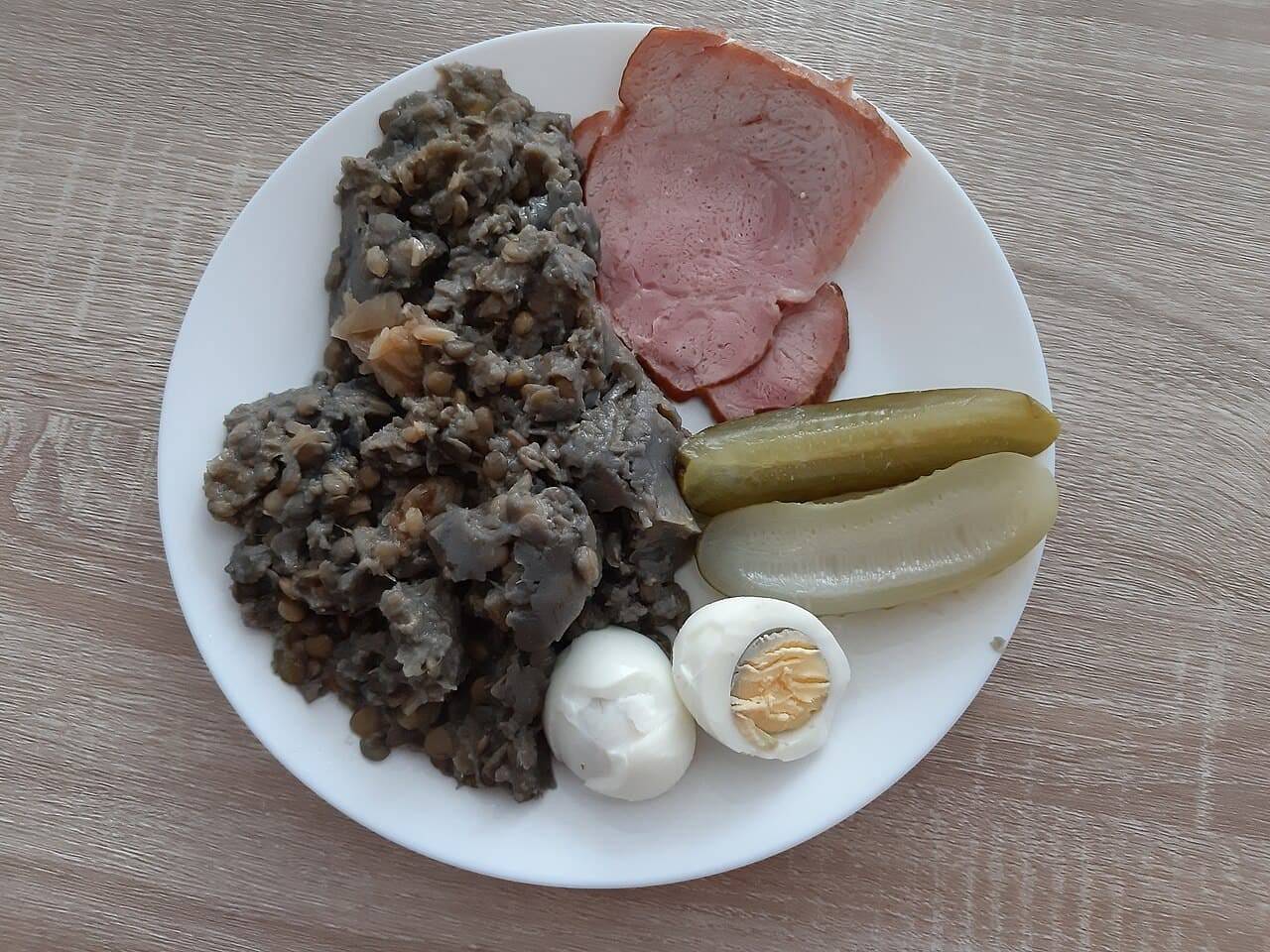
Yes, you can freeze cooked lentils. The useful question is how to put them away so that the amount, texture and food-safety history still make sense when you need them. Divide a freshly cooked batch into portions, cool and store it promptly, and label each container. Freezing is a storage step, not a way to rescue lentils that have spent too long on the worktop.
Decide what the frozen portion is for
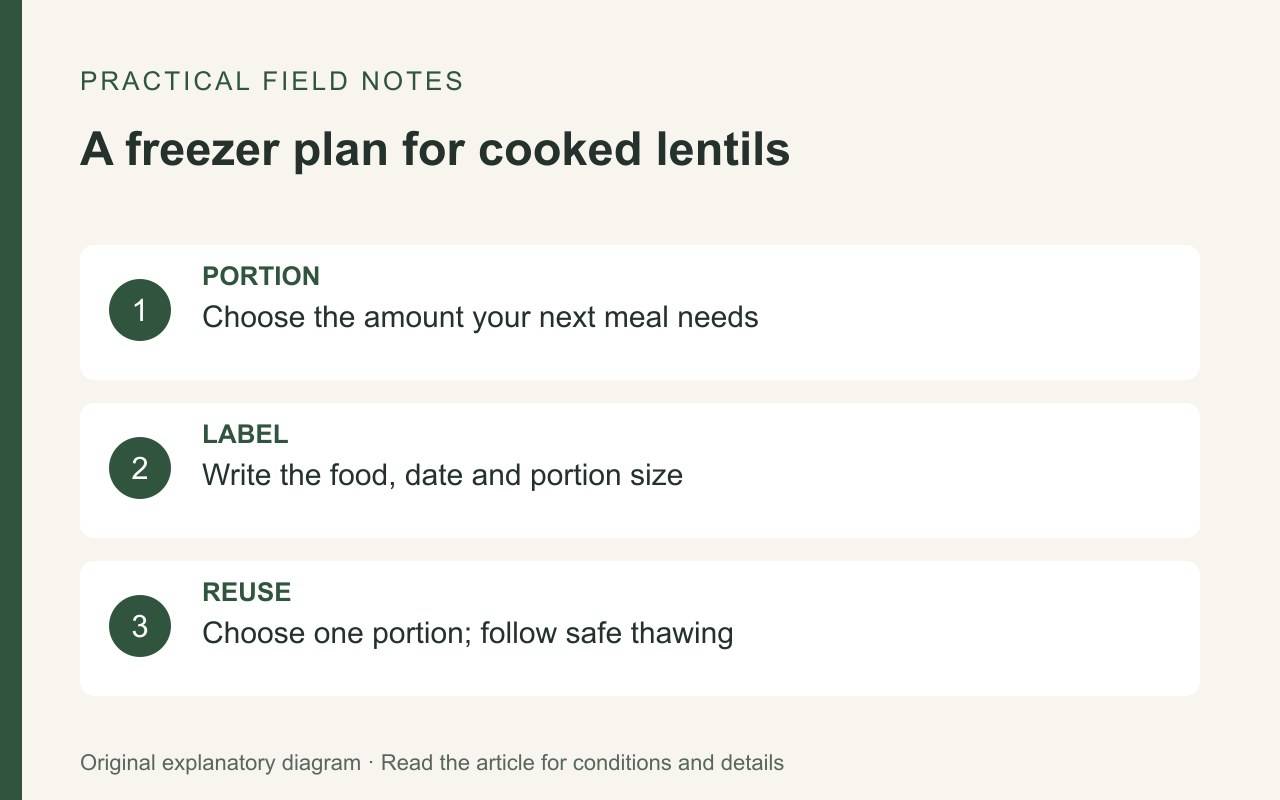
Before reaching for a container, picture the next meal. A small amount for a grain bowl needs different packaging from a family-sized lentil soup. If you freeze everything as one solid block, you may have to thaw much more than you want. That creates an avoidable planning problem even when the food was handled correctly.
For plain whole lentils, think in the amount you normally add to one meal. For a soup or a thick lentil sauce, choose a container that holds the serving you expect to heat. Keep different preparations separate: a strongly seasoned batch is useful when you want that flavour, but less flexible when the next recipe takes another direction.
| What you have | A useful portioning decision | What to write on the label |
|---|---|---|
| Plain cooked lentils | Enough for one planned meal | Type, cooking date and approximate amount |
| Lentil soup | One meal or one person's lunch | Soup name, date and number of servings |
| Lentils in a sauce | The amount needed for the intended dish | Sauce, date and any ingredients you need to identify |
These are planning examples, not tested serving sizes. Use the portions that fit your household and the food-safe containers you already own.
Cool promptly rather than waiting for a large pot
The federal food-safety guidance recommends dividing food into shallow containers. Perishable leftovers should be refrigerated within two hours, or within one hour when the surrounding temperature exceeds 90°F/32°C. Do not leave a large batch sitting out until the centre of the pot finally feels cool.
Set up the containers before cooking finishes. Put away the portions you are keeping, instead of allowing the whole batch to remain on the table throughout a long meal. If you cannot establish how long a batch has been unrefrigerated, do not assume a freezer will make the uncertainty disappear.
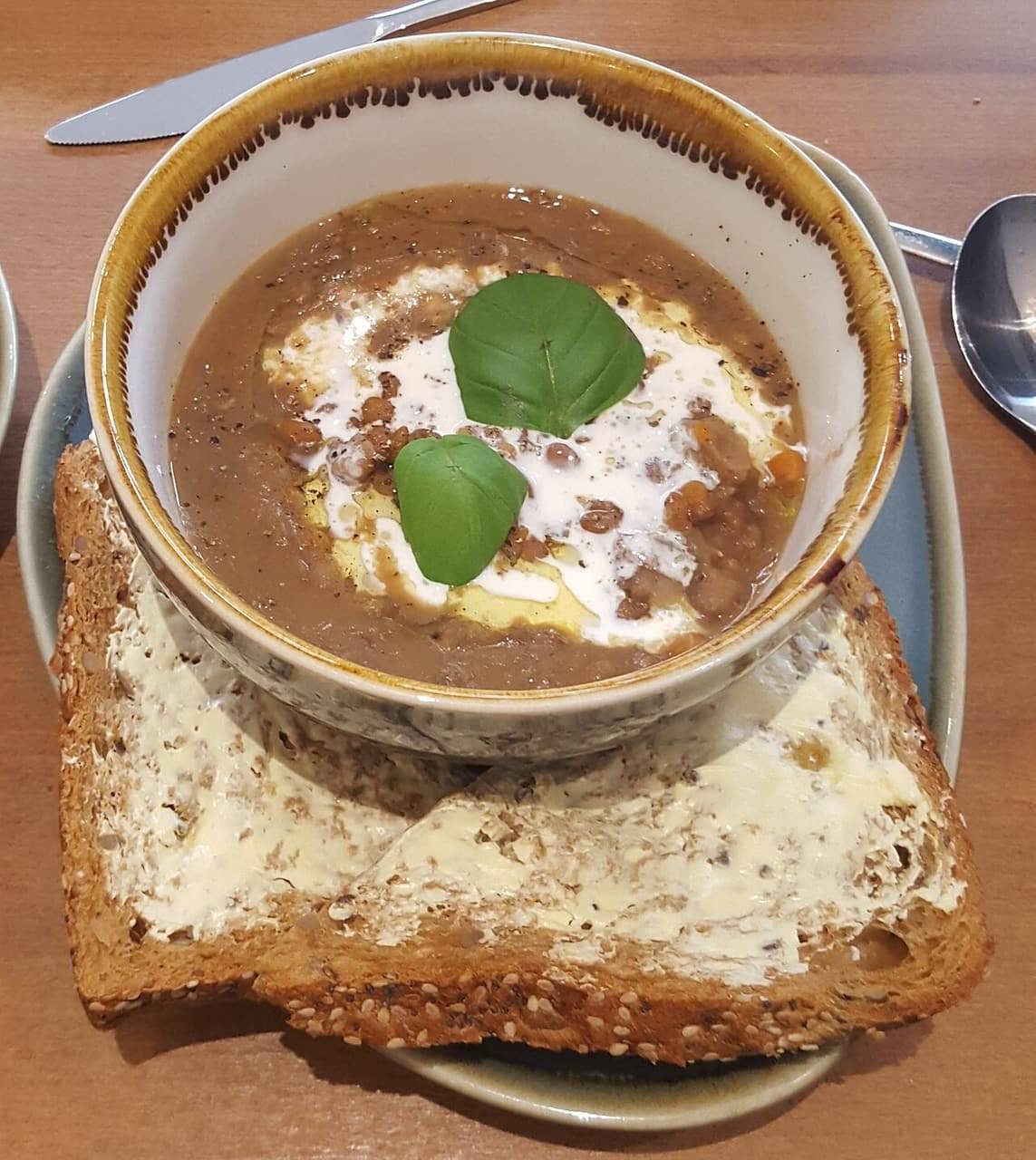
Match the container to the job
Choose packaging intended for freezer use. A container used for soup must accommodate expansion without becoming overfilled; follow its instructions. Keep the outside clean and dry before labelling. If you use a freezer bag, support it while filling and make sure the seal is secure. Avoid putting a hot, unsupported bag where it can spill onto other food.
The label should be readable without opening the container. “Lentils” is a start, but “plain brown lentils, two bowl portions, cooked 4 November” is more useful. If you freeze two different recipes on the same day, name both. A date alone will not explain which container contains chilli and which contains an unseasoned base.
Separate freezer quality from food safety
Iowa State University Extension suggests using frozen cooked lentils within three months for best quality. That is a practical rotation target, not permission to ignore cooling, a freezer malfunction or an uncertain storage history. Put newer portions behind older ones so that a date on a label leads to an actual decision.
The FDA explains why temperature control matters: freezing does not reliably eliminate the bacteria that may already be present. Keep the refrigerator at 40°F/4°C or below and the freezer at 0°F/−18°C. A food thermometer and appliance thermometer answer different questions; the latter checks the storage environment.
Plan thawing and reheating before the day gets busy
For a next-day meal, refrigerator thawing is a straightforward choice. Place the container where it cannot leak onto ready-to-eat food. Do not use the kitchen counter as a thawing station. Follow a reliable recipe or appliance instruction when heating from frozen, allowing for the larger cold centre of a solid portion.
When reheating leftovers, use a food thermometer to check that they reach 165°F/74°C throughout. Stir a soup or sauce so that the centre is not left cold while the edges bubble. Take out only the amount you intend to use. Repeatedly handling the entire batch makes it harder to keep track of what has been warmed, served and stored again.
Choose a recipe that welcomes the texture
A thawed batch may suit a soup or saucy dish better than a presentation that depends on perfectly separate lentils. Plan around the result you have rather than trying to disguise it. If whole lentils were already soft before freezing, packaging will not turn them back into firm salad lentils.
For your next fresh batch, our guide to cooking lentils without turning them mushy explains why the desired texture needs to guide the cooking. Keep a short note on a freezer label or shopping list if a particular preparation worked well for your usual meals.
The simplest useful freezer routine is one you can repeat: choose a meal, choose its portion, store it safely and give the label enough information to help your future self. A freezer full of identifiable ingredients is easier to use than a freezer full of good intentions.