A Flexible Grain-Bowl Formula for Better Meal Prep
Build grain bowls from a simple set of components, with contrasting textures, flexible sauces and a food-safe plan for preparing ahead.
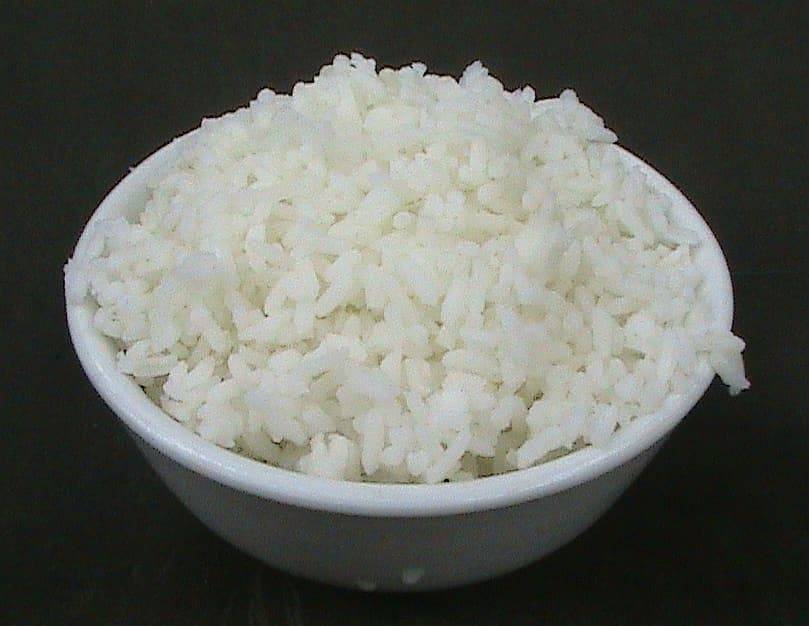
A grain bowl works best as a small meal-planning system, rather than a recipe that requires a dozen special purchases. Choose a cooked grain, a protein ingredient, vegetables and a sauce, then add one contrasting texture. The exact amounts can change with your appetite and circumstances. What matters for an enjoyable bowl is that the components have distinct jobs and that anything prepared ahead is cooled and stored safely.
Begin with ingredients you already enjoy
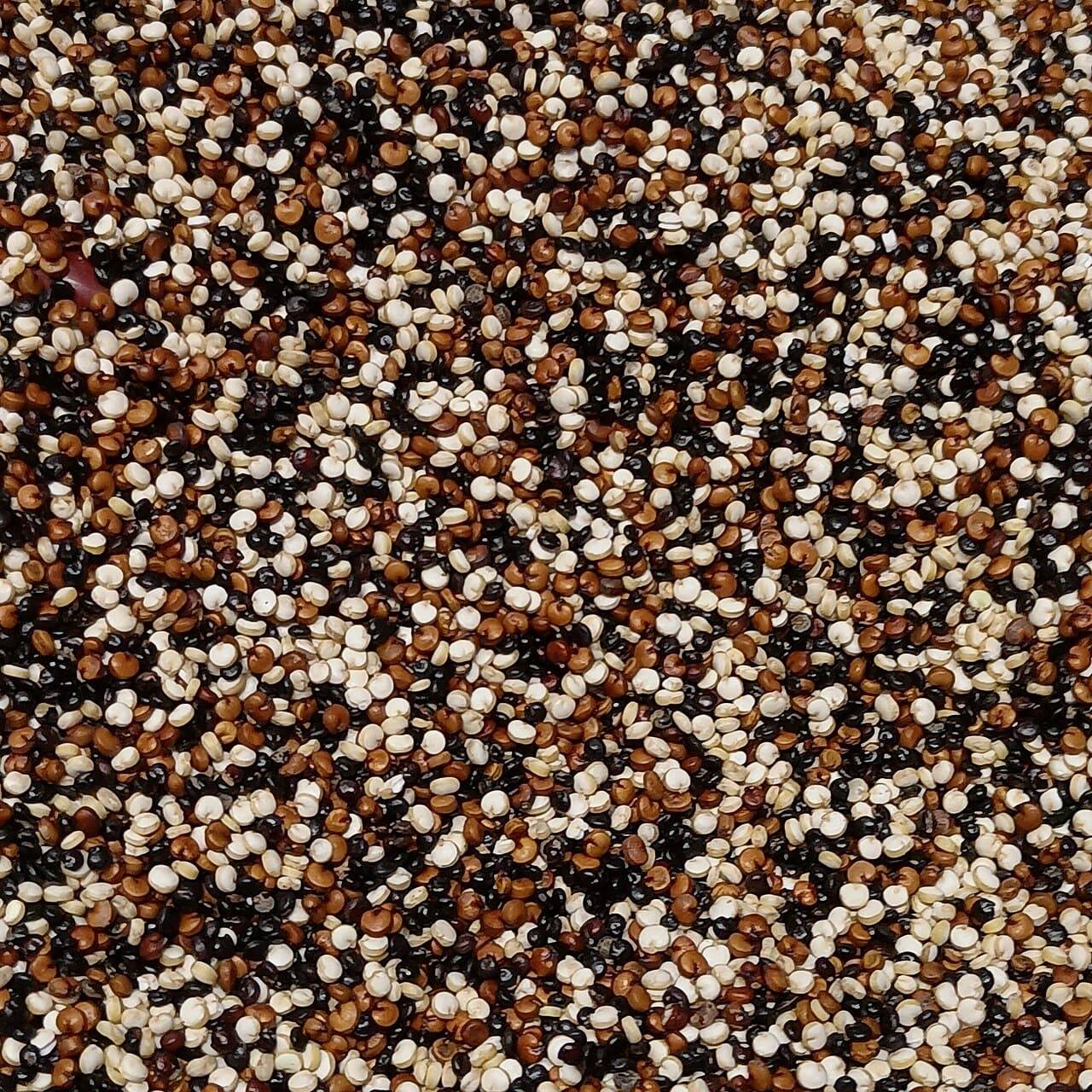
Choose a base you know how to cook: rice, bulgur, quinoa or another grain that fits your preferences. You do not need to replace a familiar food with an expensive ingredient to make the bowl worthwhile. Check the cooking instructions, especially for a blend containing several grains with different textures. If you are preparing a new grain for the first time, cook a small batch before making it the foundation of several lunches.
The base should support the other ingredients rather than bury them. Spread a modest amount in the bowl, then leave room for vegetables, beans or another protein ingredient. This makes it easier to taste the separate elements and adjust the balance at the table.
Give each component a clear job
Think in four roles: a satisfying base, something substantial, vegetables with flavor and color, and a dressing that connects them. Chickpeas, lentils, tofu, eggs or cooked meat can fill the substantial role, depending on the meal. Choose ingredients that fit any dietary requirements in your household. A generic bowl formula does not guarantee that a meal meets an individual's nutritional or medical needs.
For vegetables, contrast can be more useful than quantity of different items. Soft roasted carrots and crisp cucumber feel different in the same forkful. A few herbs can bring a fresh finish without requiring a separate garnish recipe. The ingredients should make the meal easier to assemble, not create five new jobs before lunch.
Pick a flavor direction before mixing everything
A lemon-and-herb dressing, a yogurt-based sauce and a soy-based dressing lead in different directions. Choose one, then select toppings that make sense alongside it. This avoids the common bowl problem of several tasty ingredients competing without a shared theme. You can still improvise, but a little direction helps a cupboard-based meal feel deliberate.
A simple example is brown rice, rinsed chickpeas, roasted cauliflower, cucumber and a lemon dressing. Another is bulgur, cooked lentils, tomatoes, chopped parsley and a spoonful of yogurt. These are combinations to adapt, not precise recipes or traditional dishes being claimed as authentic. Season each component lightly and taste the complete bowl before adding more salt.
Prepare components rather than identical finished bowls
If you dislike eating the same lunch repeatedly, keep some ingredients separate. A container of cooked grain and one tray of vegetables can support several meals when the sauce and final topping change. Leave crisp ingredients and delicate leaves out of a hot component until serving. Pack sauces separately if they would soften the rest during storage.
Our guides to cooking lentils and roasting vegetables explain two techniques that are particularly useful here. Once you are comfortable with those building blocks, the bowl becomes a convenient destination for them rather than another complicated recipe to learn.
Cool cooked food promptly
Meal preparation needs a storage plan before the cooking begins. Have clean, shallow containers ready and refrigerate perishable components promptly. Do not leave a deep pot of cooked rice or a large tray of food sitting on the counter for the afternoon. FoodSafety.gov advises refrigeration within two hours, or within one hour when the surrounding temperature is above 90°F or 32°C.
Keep the refrigerator at 40°F or 4°C or below and label the containers. Decide which meals will be eaten soon and which components should be frozen instead. Storage life depends on the ingredients and handling, so use a current guide rather than assuming every assembled bowl lasts the same number of days. Adding a fresh topping later does not restart the clock for the cooked food underneath it.
Pack a bowl for the way you will eat it
Consider whether lunch will be eaten cold, reheated in a microwave or carried without reliable refrigeration. A cold bowl needs ingredients that are pleasant at that temperature. A reheated one benefits from keeping cold toppings separate. If food is traveling, use suitable insulated storage and cold packs where needed; a desk drawer is not a substitute for refrigeration.
Choose a container that leaves room to mix. A tightly packed jar may look attractive but can be awkward when the dressing sits at the bottom and the leaves are compressed at the top. Convenience includes the moment you actually eat the meal, not just how neat the containers look in the refrigerator.
Fix the bowl by noticing what is missing
If the meal tastes flat, consider a small amount of acidity or an aromatic ingredient before adding a large quantity of sauce. If it feels uniformly soft, add an appropriate crisp element shortly before serving. If a dressing is overpowering, use less and leave some plain components available. These adjustments are easier when the ingredients have been stored separately.
A useful bowl is one you look forward to eating and can assemble without waste. Keep a short note of combinations that work, prepare only a realistic quantity, and let the contents of your kitchen guide the next version.