Beans, Peas and Lentils: What Makes a Pulse?
Understand the difference between legumes and pulses, why green beans and dried beans are classified differently, and what that means in the kitchen.
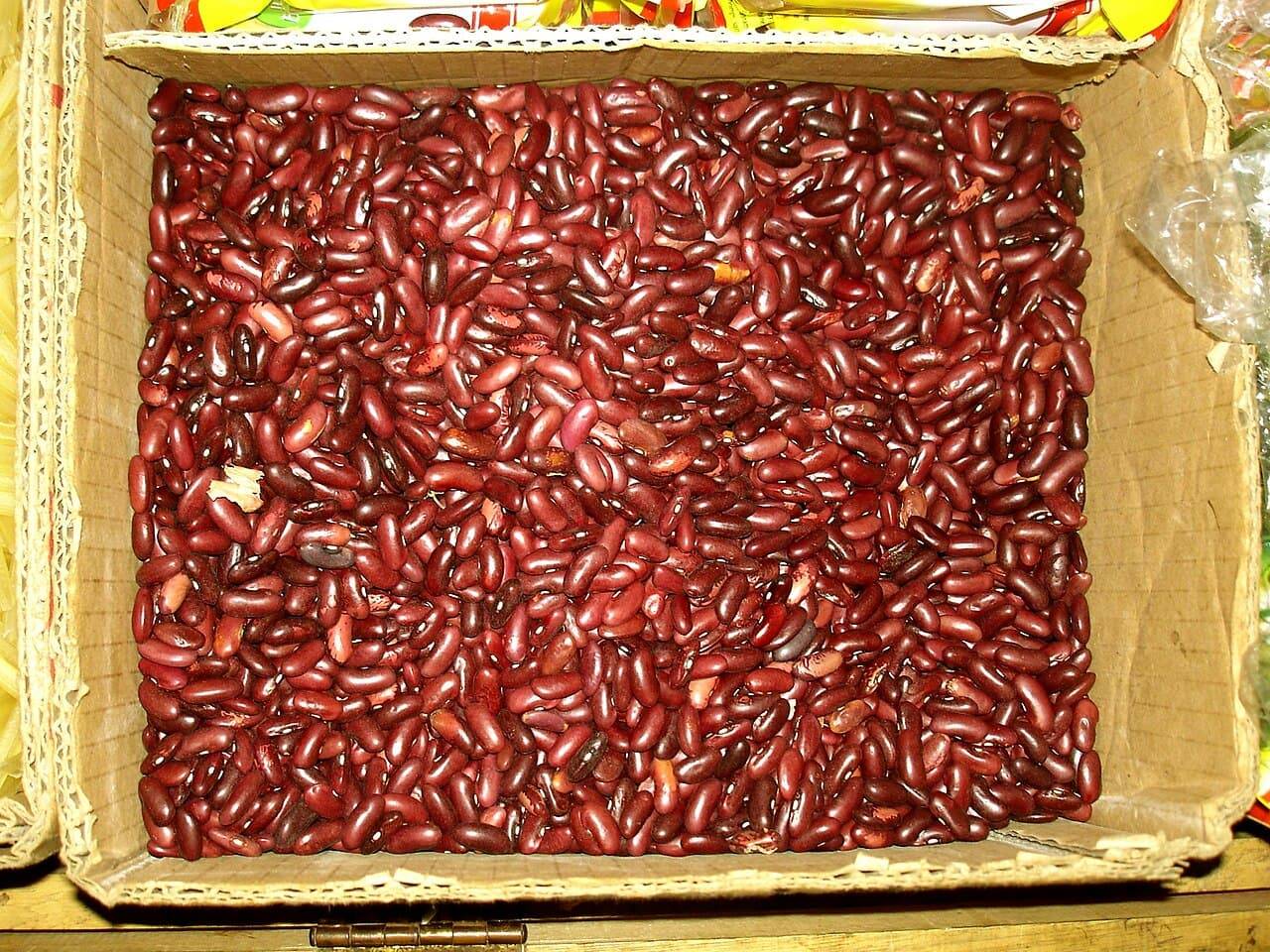
Beans, peas and lentils often appear in the same supermarket aisle, yet the words used to describe them do not all mean the same thing. Legume is the broader plant-family term. Pulse refers to a particular group of crops harvested for their dry, edible seeds. Understanding that distinction helps you read recipes, compare ingredients and avoid treating a fresh green bean like a dried kidney bean simply because both have bean in the name.
Start with the broad family
Legumes include plants that produce seeds in pods. The group includes familiar foods such as beans, peas, lentils and peanuts. That botanical connection does not mean every part of every plant is eaten in the same way. Nor does it establish one cooking method for the whole family. The food you buy may be an immature pod, a fresh seed, a dried seed or a processed product.
In a kitchen, ordinary names are often more useful than a classification chart until a substitution is involved. A recipe calling for a handful of green beans wants a different texture and cooking behavior from one calling for a cup of dried beans. The shared family does not make the two interchangeable.
What makes a crop a pulse?
Pulses are legumes harvested for their dry seeds, including dried beans, dried peas, chickpeas and lentils. Fresh green peas and green beans are usually discussed separately because they are harvested and eaten in a different form. Oilseed legumes such as soybeans and peanuts are also distinguished from pulses in the standard crop classification.
These terms describe a category, rather than a promise about a particular product. A can of plain cooked chickpeas begins with a pulse crop, while a fresh pea pod is a vegetable ingredient with its own handling needs. Understanding the category can be useful, but the package instructions still matter when you are deciding how to prepare the food.
The form of the ingredient changes the work
Dry beans may need soaking and a substantial cooking period. Lentils and split peas generally cook more quickly and do not need the same overnight preparation. Commercially canned beans have already been cooked, so they are a convenient option when the meal needs to come together quickly. A dry-to-canned substitution therefore affects both the timing and the amount of liquid in the recipe.
Do not assume that a cup of dry beans equals a cup of cooked beans. Cooking changes their volume and weight. Use a recipe's conversion where available, and make the comparison in the form the dish actually calls for. Otherwise, a substitution can produce far more food or a very different consistency than you intended.
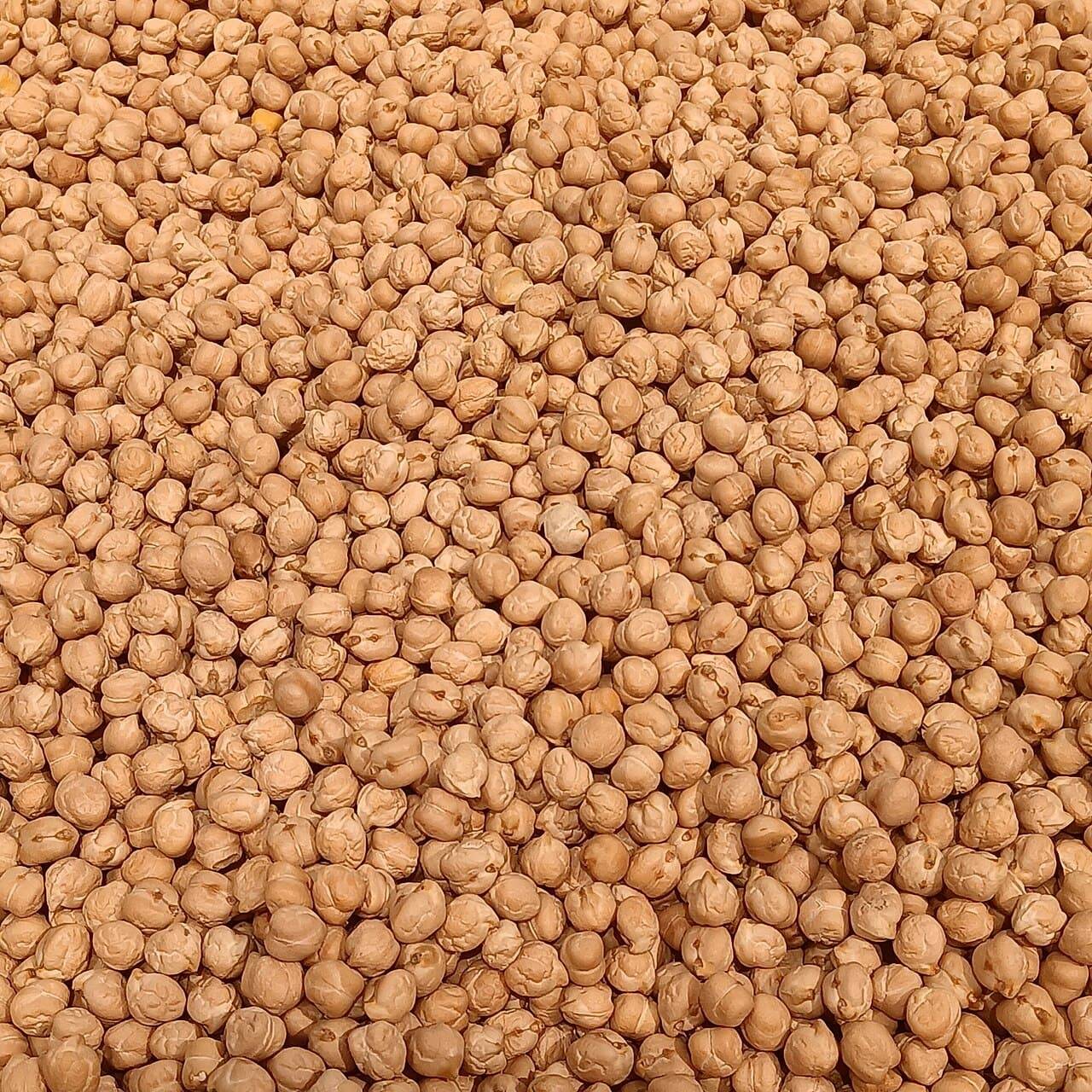
Texture gives you a useful way to choose
Whole lentils that retain their shape can work in a salad, while split red lentils are useful when you want a soft, thickened mixture. Chickpeas bring a different size and bite from small white beans. A smooth bean puree has another purpose again. Choose according to the result you want rather than assuming every pulse is simply a neutral protein ingredient.
If you are planning a soup, ask whether the pulse should remain separate or help thicken the broth. If you are planning a salad, consider whether it needs to survive mixing and storage. Our guide to cooking lentils without making them mushy explores that choice in more detail for one especially versatile ingredient.
Build flavor around the dish
Pulses can carry bold seasonings, but they also make room for simple combinations. A bowl of warm beans with herbs has a different character from a thick lentil stew. In either case, think about the ingredients already supplying salt, acidity and richness before adding more. Canned products vary, so taste the complete mixture rather than seasoning by habit.
For cold dishes, draining and drying the cooked ingredient can keep a dressing from becoming diluted. For soups and mashes, some cooking liquid may be useful for body. The decision is culinary as well as nutritional. You can read our guide to rinsing canned beans when you want to choose deliberately between a separate texture and a creamier mixture.
Keep preparation and safety specific
Raw dried kidney beans need particular care because of naturally occurring lectins. Do not treat a low-temperature slow-cooker shortcut as a substitute for the validated preparation required for dry beans. Follow reliable instructions for the exact variety and cooking method. Commercially canned beans have been processed differently and should not be confused with raw dried ones.
Likewise, storage advice depends on whether the ingredient is dry, cooked, canned and unopened, or part of a finished meal. Keep dry products protected from moisture and pests. Refrigerate cooked portions promptly and use an appropriate storage guide. A salad with dairy, cooked meat or another perishable ingredient needs to be handled as that complete dish.
Let the terminology make cooking easier
You do not need to identify every plant at a glance. Remember the broad distinction, then pay attention to the product in front of you: fresh or dry, whole or split, uncooked or ready to use. Those observations answer most of the practical questions that arise in an ordinary kitchen.
A pulse is a useful ingredient category, but good cooking still begins with a specific choice. Once you know what texture, timing and role the meal needs, the names on the shelf become a guide instead of another source of confusion.