Should You Rinse Canned Beans? A Practical Kitchen Guide
Rinsing canned beans changes salt, starch and texture. Learn when to drain and rinse, when the liquid is useful, and how to season the finished dish.
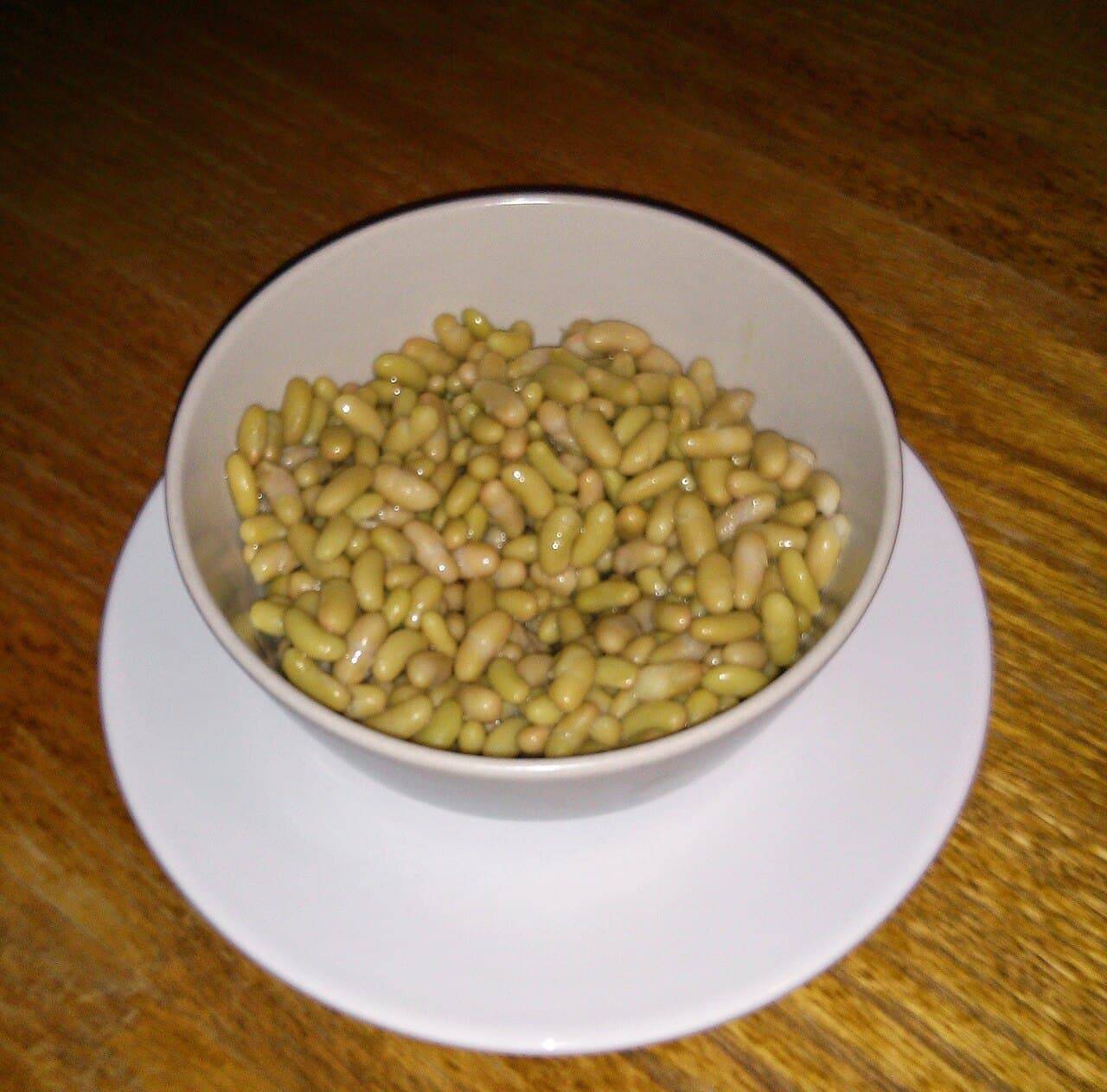
Rinsing canned beans is usually a useful choice for salads, grain bowls and recipes where you want a clean, separate bean texture. It can also reduce some of the sodium carried in the canning liquid. But the liquid is not an ingredient that must always be discarded: in the right soup or stew, its starch can help the mixture come together. The best decision depends on what the recipe needs and what the label says.
Start with the kind of product you have
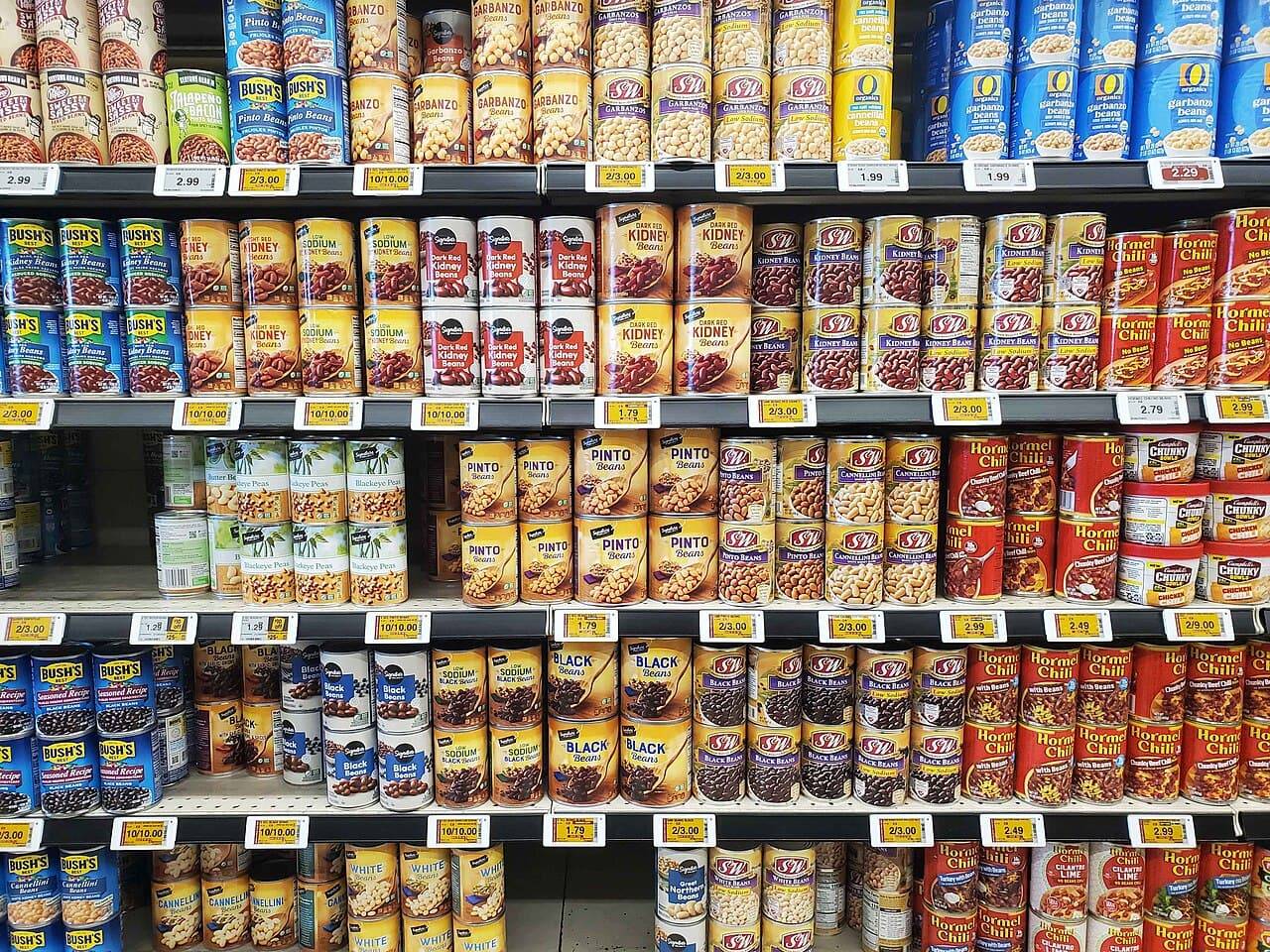
Plain canned chickpeas, black beans or cannellini beans are different from baked beans or beans packaged in a seasoned sauce. Rinsing a prepared dish removes part of the flavor the manufacturer intended. Read the name, ingredients and preparation instructions before opening the can. If you want control over salt and seasoning, a plain product is a more flexible starting point than a strongly flavored sauce.
Commercially canned beans have already been cooked. They do not need the same preparation as raw dried beans, and advice about soaking dry beans should not be transferred to them. You can warm plain canned beans gently, add them to a dish that is being cooked, or use them in a cold recipe when the product instructions permit it.
What rinsing actually changes
The liquid around the beans contains water, dissolved ingredients and starch released during processing. Draining removes that liquid; rinsing washes away more of what clings to the surface. This can make a noticeable difference to the appearance of a pale bean salad or the thickness of a dressing. It also gives you a cleaner starting point when you want lemon, herbs or spices to define the flavor.
Rinsing does not transform the beans into a sodium-free food. How much sodium remains depends on the product and how it is handled. If sodium is your main concern, compare the labels of regular, reduced-sodium and no-salt-added products rather than relying on a single rinsing percentage. For dietary restrictions that need a precise limit, use the label and advice appropriate to your circumstances.
A simple draining and rinsing method
Open the can using clean equipment. Pour the beans into a sieve or colander set over the sink, keeping the beans away from dirty dishes and splashes. Rinse under cool running water, turning them gently with a clean spoon or shaking the sieve lightly. Allow them to drain well before adding them to a salad. A wet surface can dilute a carefully balanced dressing and leave liquid at the bottom of the bowl.
Handle delicate beans gently. Cannellini beans and other soft varieties can split if you stir vigorously or rub them against the sieve. Broken beans still taste good, but they may make the mixture creamier than you planned. If appearance matters, pour slowly and avoid treating rinsing as a scrubbing job.
When keeping some liquid makes sense
A soup, chili or braise may benefit from a little bean liquid because it adds body. Before using it, consider the rest of the ingredients: a salty stock and a seasoned bean liquid can quickly make the finished dish difficult to adjust. Add a little at a time, taste as you go, and keep plain water available for thinning. You do not have to choose between using every drop and discarding it all.
Chickpea liquid is also used in some recipes as aquafaba. That is a specific cooking application, not a guarantee that every can will behave identically. Follow a recipe developed for it, especially if you need a stable foam or a predictable baking result. Do not substitute bean liquid blindly for eggs in any recipe and assume the outcome will be the same.
Let the destination decide the texture
For a crisp, chopped salad, well-drained beans keep other ingredients from becoming soggy. Add dressing shortly before serving if the vegetables are delicate. For a mash or dip, a little liquid can help the blender work, but add it gradually. For a pan of beans served warm, gentle heating is usually kinder to the texture than a hard boil.
A useful comparison is to prepare a small spoonful two ways. Rinse half of a can for a salad, and use the other half with a little liquid in a saucepan. Season both lightly and notice the difference in body. This is a kitchen comparison you can make yourself; it is not a laboratory measure of sodium or nutrition.
Season after the beans are in the dish
Taste the complete mixture before adding more salt. Cheese, olives, sauces and stock all contribute seasoning, and a plain bean may taste quite different once it is surrounded by them. Add acidity or herbs where they suit the recipe, rather than using salt to solve every flat flavor. For a practical meal, combine beans with cooked grains and vegetables using the grain-bowl approach.
If you are deciding between a can and a bag of dried beans, compare convenience as well as price. Dried beans allow control over the cooking process, while canned beans can make a meal possible on a busy evening. Neither option needs to become a test of whether you are cooking properly.
Store the opened portion with a plan
Transfer unused beans to a suitable covered food container and refrigerate promptly. Label the date and follow the product instructions or a current storage guide. Do not leave an opened portion on the counter while deciding what to do with it later. If you know you will not use it soon, check whether freezing suits your intended dish and package a manageable portion.
For most everyday salads and bowls, draining and rinsing is a reliable default. Keep the liquid deliberately when its texture or flavor serves the recipe, and make that a considered cooking choice rather than an automatic habit.