Tapioca Starch: What Tapioca Flour Means and How to Use It
Tapioca starch is extracted from cassava root.
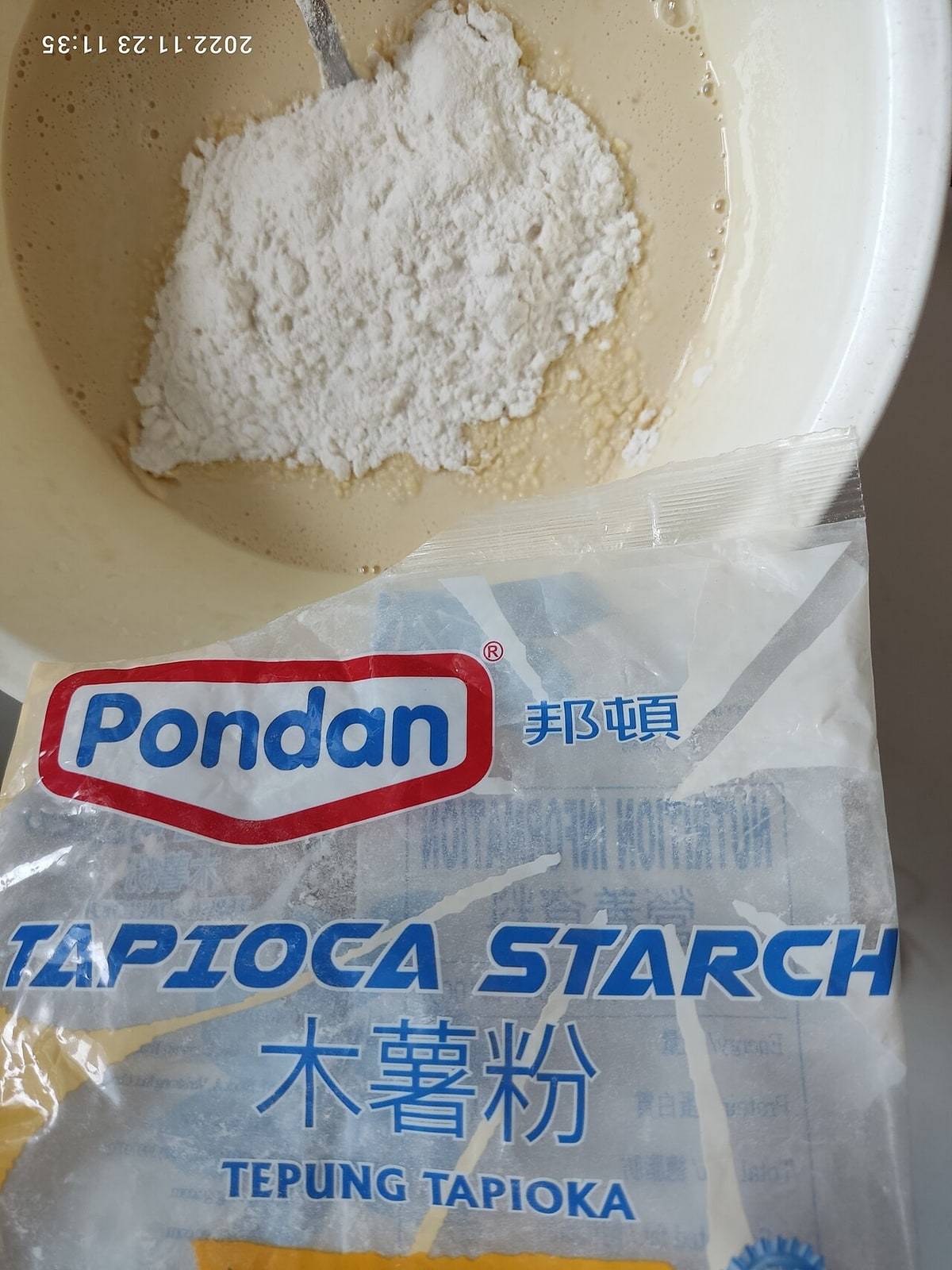
Tapioca starch is extracted from cassava root. In many English-language products, tapioca flour is another name for the same starch. Bob's Red Mill explicitly uses the two terms that way.
It is different from cassava flour, which contains more of the processed root. It is also different from tapioca pearls, which are a formed product rather than a loose thickening powder.
Common jobs in the kitchen
Tapioca starch is used to thicken liquids and to contribute texture in baking. In a flour blend, it has a different role from an entire allowance of wheat flour. Adding it does not provide wheat gluten, and replacing a blend with starch alone changes the formula.
For baking, start with a recipe that specifies tapioca starch. The flour, starch, liquid and any binder are intended to work together.
Thickening a sauce
A common starch technique is to mix the powder into a small amount of cold liquid first, forming a slurry, then stir it into the hot preparation and cook as directed. Adding a dry spoonful straight into a hot sauce makes even distribution harder.
Use the quantity and heating instructions from your recipe. Bob's Red Mill publishes a particular tapioca-for-wheat-flour thickening substitution, but it is not a universal conversion for all starches, all sauces or baking recipes.
When a recipe says only tapioca
Check whether it means flour, fine or instant tapioca, or pearls. A pudding using pearls needs a different preparation from a sauce using a starch slurry. The front of the packet and the actual product form should agree with the recipe before anything enters the pan.
Buying a useful bag
For a plain starch application, choose an unseasoned product with a clear ingredient list. Keep the name and directions with it in storage. These small distinctions are much easier to resolve at the shop than over a sauce that is already bubbling.