Potato Starch: How It Differs From Potato Flour
Potato starch is the starch separated from potatoes.
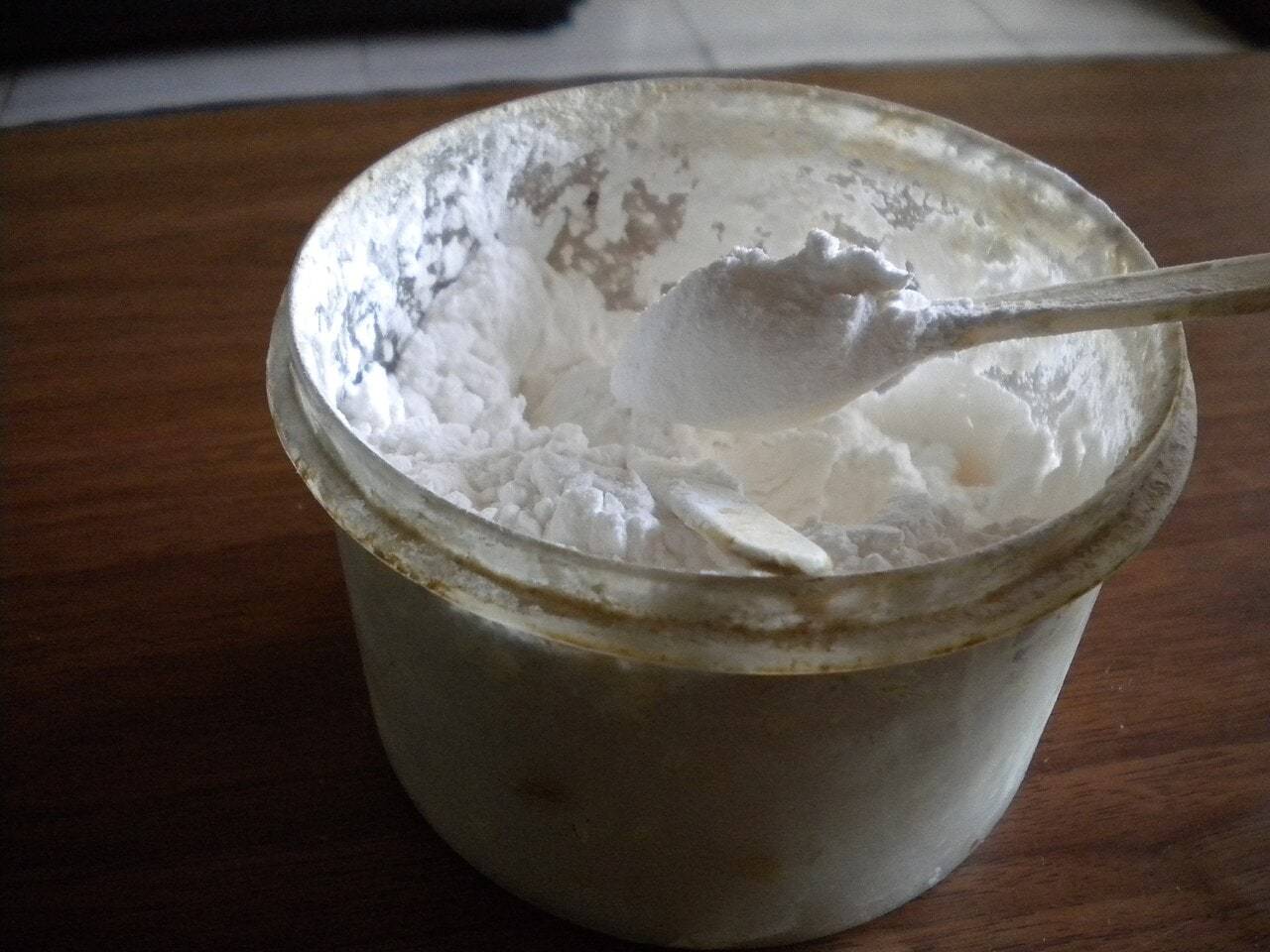
Potato starch is the starch separated from potatoes. It is used in thickening, coatings and some baking formulas. It is not automatically interchangeable with potato flour, a product made from more of the potato.
That distinction is worth checking twice. A recipe can survive an imperfectly chopped onion; the wrong white powder can be considerably less accommodating.
Read beyond the word potato
Bob's Red Mill identifies potato starch and potato flour as separate products and warns against treating them as equivalents. Potato flour contributes a more pronounced potato character, while a starch has a different composition and role.
Some terminology varies across markets. If a recipe says potato starch flour, establish what the author means before buying. The complete ingredient description is more useful than assuming every use of flour follows the same convention.
Using it as a thickener
For a starch-thickened sauce, a recipe will commonly call for mixing the powder with cold liquid before adding it to the hot preparation. This helps it distribute before it thickens. Follow the stated quantity and heating sequence.
Do not infer that a spoonful of any starch gives the same result. Potato, tapioca, corn and other starches have different properties, and a recipe's substitution advice should match the application.
In a baking blend
Potato starch can be one ingredient in a gluten-free flour blend. The blend may also contain rice flour, sorghum flour, other starches and a binder. A one-for-one baking claim on the finished blend is not a claim for potato starch on its own.
The useful shopping check
Match the recipe's exact product name, then check the ingredients and preparation notes. If the shop only has potato flour when you need starch, choose a supported alternative or another recipe instead of assuming the difference is cosmetic.