Cassava Flour vs Tapioca Starch: Same Root, Different Ingredient
Cassava flour and tapioca starch both come from cassava, but they are different ingredients.
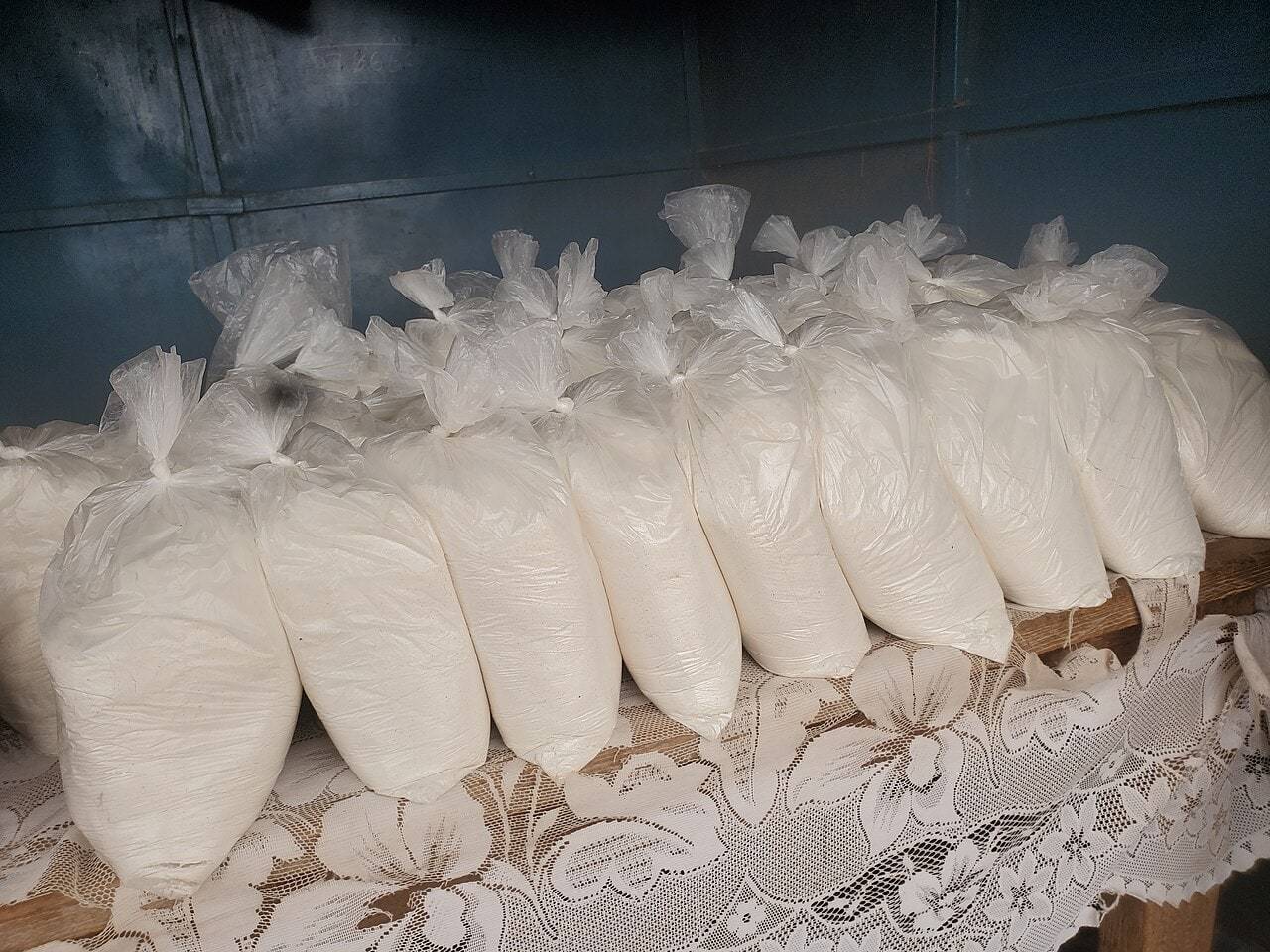
Cassava flour and tapioca starch both come from cassava, but they are different ingredients. Cassava flour retains more of the processed root; tapioca is the separated starch. Do not replace a large quantity of one with the other simply because both bags mention cassava.
One naming wrinkle causes much of the confusion: tapioca flour usually means tapioca starch. It does not mean whole-root cassava flour.
Read the name, then the product description
| On the bag | What to establish |
|---|---|
| Cassava flour | A flour made from processed cassava root, rather than isolated starch |
| Tapioca starch or tapioca flour | The starch extracted from cassava |
| Cassava starch | Normally the starch category; confirm the producer's description |
| A cassava-based baking mix | The complete ingredients and instructions; it may contain more than one flour or starch |
Do not rely on the English word “flour” alone. In food labels it can describe ingredients with quite different composition and functions.
What changes in a recipe?
Cassava flour can supply the main flour component in recipes developed for it, such as particular flatbreads or baked goods. Tapioca starch is often used for thickening or for its texture contribution alongside other ingredients. It is not the same package of root material ground more finely.
That distinction makes a wholesale swap a poor bet. A recipe using a spoonful of tapioca to thicken a sauce poses a different question from one using a bowlful of cassava flour to form a dough. Decide what job the ingredient performs before looking for an alternative.
Are wheat-flour substitution claims relevant?
Only to the specific product and use described. Otto's supplies weight and volume guidance for its own cassava flour. That is not guidance for tapioca starch, nor a promise that every wheat-based recipe will work without other changes.
If a packet offers a conversion, check its exceptions and use the producer's recipes for a first attempt. A formulation designed around cassava is a better starting point than combining a flour swap with several other ingredient changes.
What to do with the bag you own
- Have tapioca starch? Choose a recipe naming it, or use it where a sauce-thickening method specifies it.
- Have cassava flour? Choose a cassava-flour recipe rather than treating it as a neutral replacement for the starch in chewy dough.
- Have an unfamiliar imported cassava product? Identify its processing and intended dish first. The cassava family includes more than these two ingredients.
These are commercially processed cooking ingredients. Neither name is an instruction for turning raw cassava into flour at home.
Explore cassava flour and tapioca starch for their individual uses. Keep the original label when you decant them: matching jars are no help if they erase the most useful distinction.