Cassava Flour: How It Differs From Tapioca Starch
Cassava flour is made from the cassava root.
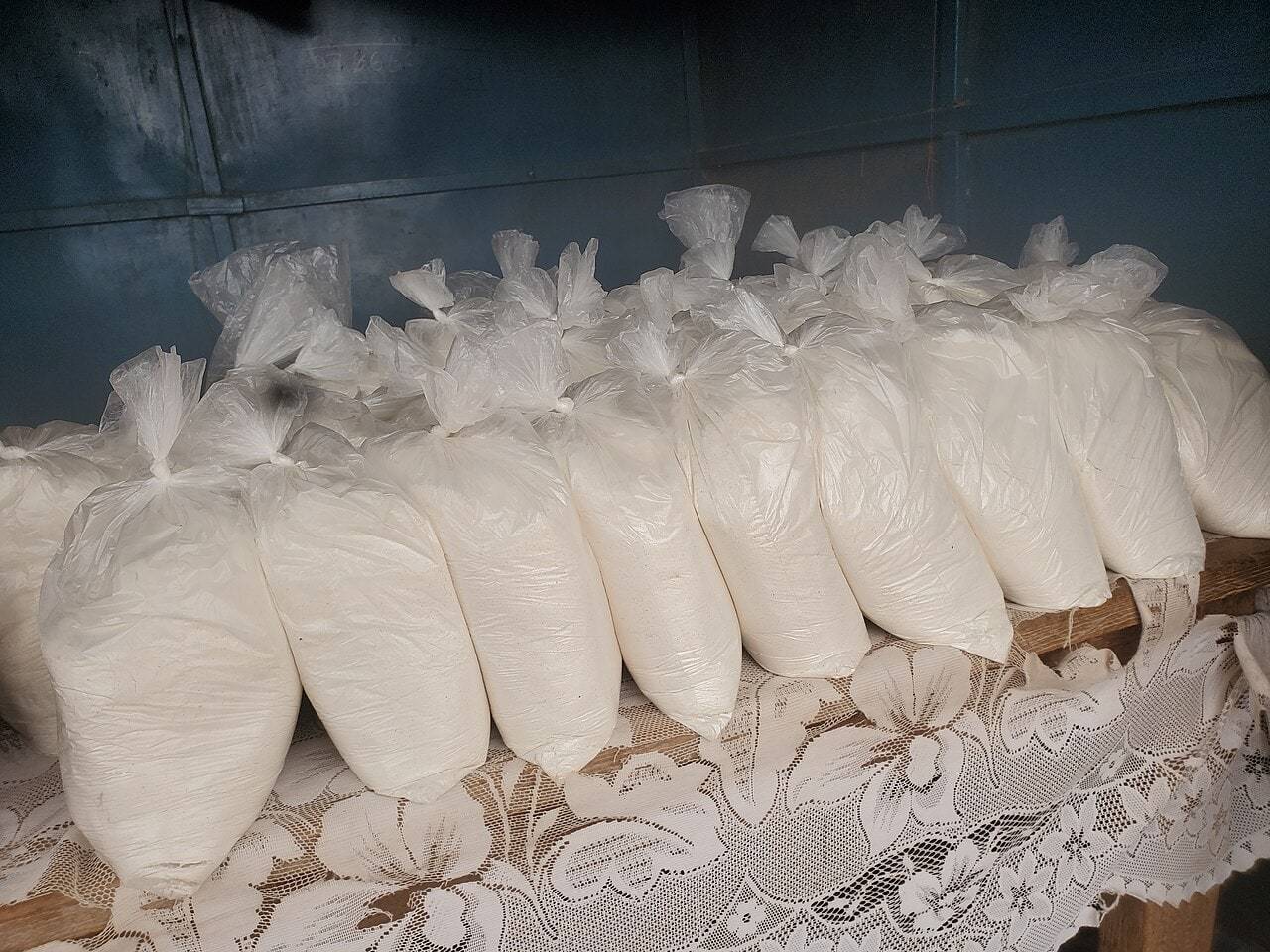
Cassava flour is made from the cassava root. It is used in grain-free baking and doughs, but it should not be confused with tapioca flour, which is the separated starch from the same root.
The shared plant explains why the names are easy to muddle. It does not mean that the ingredients behave identically in a bowl.
Flour and extracted starch
Cassava flour includes more of the processed root material than an isolated starch. Tapioca starch is a more specifically separated ingredient. Read the complete name and ingredient description before replacing one with the other.
Some manufacturers use tapioca flour and tapioca starch as equivalent names. The word flour therefore cannot, by itself, tell you that you have cassava flour rather than tapioca starch.
Where cassava flour can be useful
It appears in recipes for flatbreads, tortillas and other baked foods. Choose a recipe written for the product you have, particularly for a dough that needs to roll or bend. Its liquid and other ingredients are part of the structure.
Otto's gives substitution guidance for its own flour, including a distinction between measuring by weight and by cups. Treat any such guidance as product-specific, not a guarantee that every cassava flour will replace every wheat flour in every recipe.
A practical first use
A small batch of a cassava-flour flatbread is easier to assess than a large, unfamiliar cake. Check whether the recipe names a brand, uses a scale or relies on additional binders. Follow those details on a first attempt before changing the formula.
Avoid using tapioca starch as the entire flour allowance simply because it was the closest-looking bag in the shop. That substitution changes more than the label.
Keep the ingredients identifiable
If you decant both products, label each jar fully. Write cassava flour or tapioca starch in full: the shared root name is not enough to identify the ingredient.