Tapioca Starch vs Potato Starch: Sauces, Baking and Substitutions
Tapioca starch and potato starch can both thicken a sauce, but that does not make them identical in a dough.
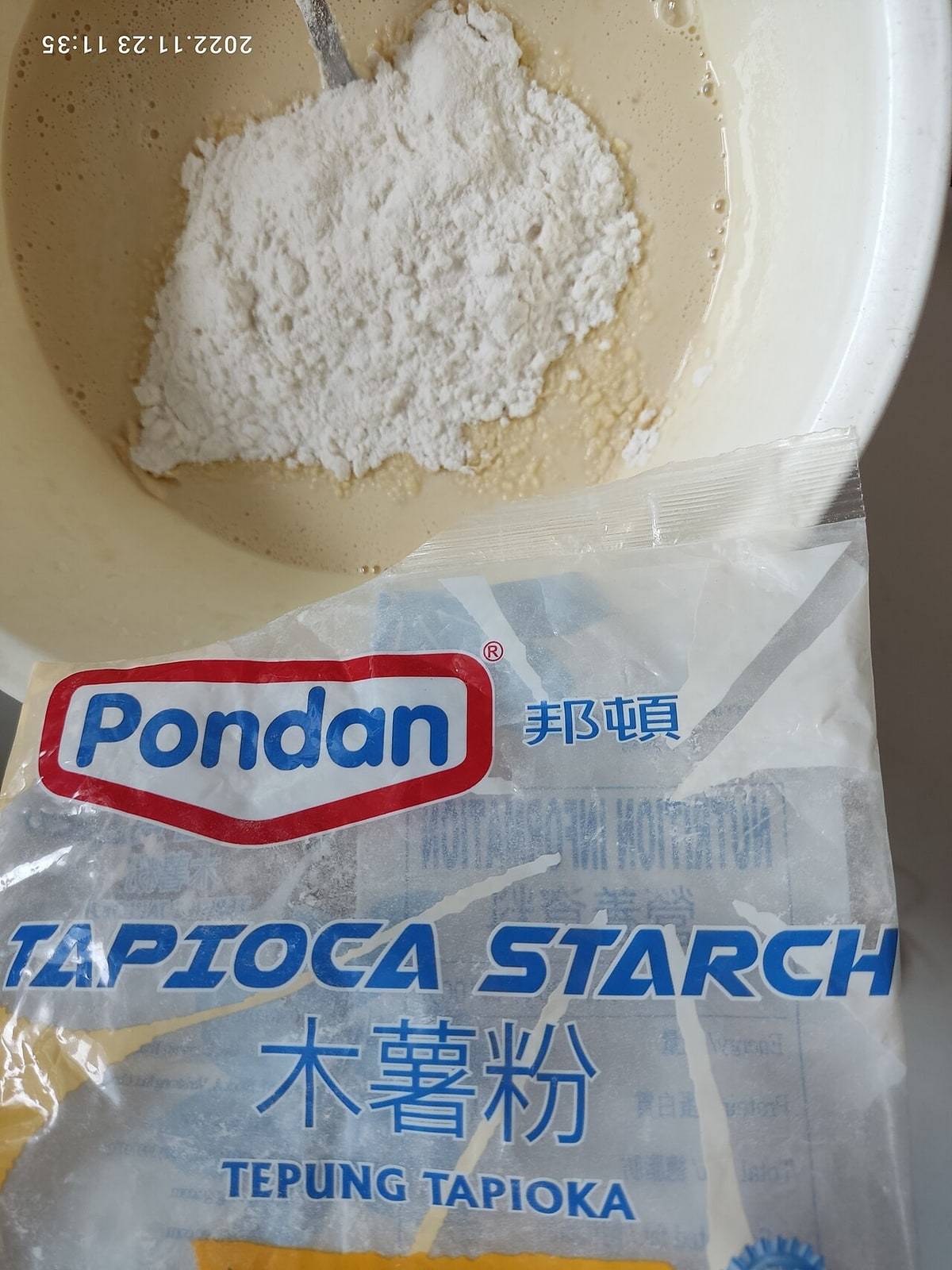
Tapioca starch and potato starch can both thicken a sauce, but that does not make them identical in a dough. If you need a small adjustment to a sauce, there is room to work gradually. If the starch supplies the texture of a dumpling, noodle or baked good, use the ingredient the recipe was built around.
First check that you have starch. Potato flour is a different product, as is whole-root cassava flour.
How the two compare
| Question | Tapioca starch | Potato starch |
|---|---|---|
| Plant source | Cassava root | Potato |
| Another label to recognise | Tapioca flour | Check that the bag says starch, not potato flour |
| In a sauce | Can give a glossy finish | A neutral-tasting thickener; prolonged boiling can weaken it |
| In baking | Can contribute chew and elasticity | Can contribute structure and tenderness in a formulated blend |
| Direct replacement everywhere? | No | No |
The texture contribution matters more than the colour of the powder. Two starches may both disappear into a sauce while producing noticeably different results in bread.
If you are thickening a sauce
Mix the starch with cool liquid before adding it, rather than tipping dry powder into a hot pan. Stir the slurry again just before use, then add it gradually while stirring the sauce. Give each addition time to thicken before deciding it needs more.
That approach lets you judge the actual sauce instead of treating a conversion chart as a guarantee. A little starch in a loose stir-fry sauce is a more forgiving substitution than the main starch in a pudding intended to set into slices.
With potato starch, avoid adding it early to a sauce that will continue boiling for a long time. Finish the long cooking first, then thicken. If the sauce is already too thick, thin it with an appropriate liquid rather than trying to boil the thickness away.
If you are baking or making chewy dough
Keep the named starch, particularly when it forms a large part of the dry ingredients. Replacing tapioca starch in a recipe designed around its stretch is a different problem from rescuing a thin gravy. Adding the same weight of potato starch does not establish that the finished dough will behave the same way.
Choose a recipe developed for your available starch, or use an alternative explicitly supplied by its author. Record any experimental change so you can repeat a success rather than merely remember that “some white powder” was involved.
Read our tapioca starch and potato starch guides for help identifying the bags. If yours says cassava flour, start with the cassava flour comparison instead.