Lemon Zest, Juice and Pith: How Each Changes a Dish
Lemon zest adds aroma, juice adds acidity and pith brings a different texture and bitterness. Learn how to use the right part without overpowering a dish.
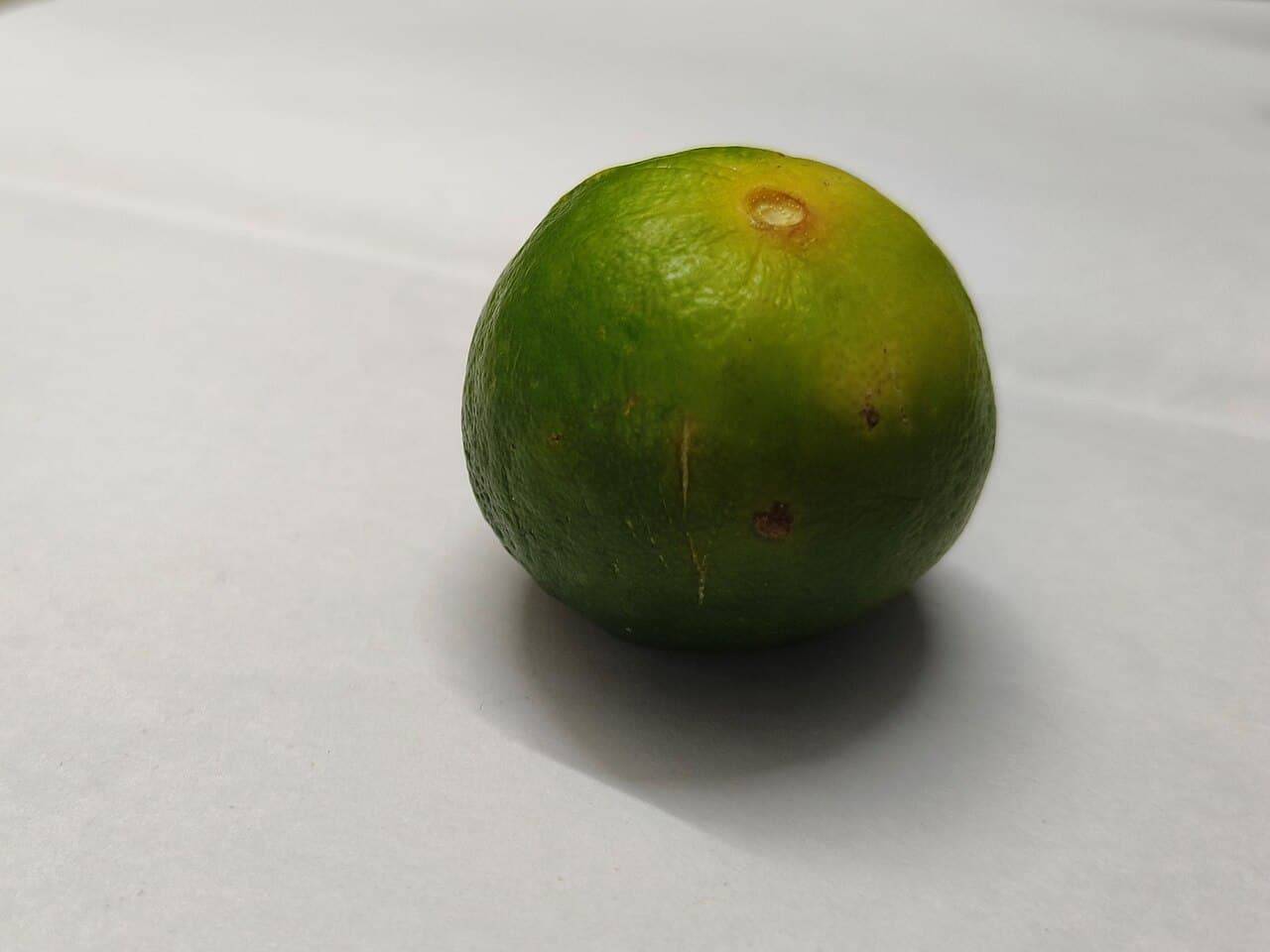
A lemon can change a meal in several different ways. The colored outer peel brings a fragrant citrus note, the juice adds acidity and liquid, and the white layer underneath has a different taste and texture. Treating them as interchangeable is why a dish can become unexpectedly bitter, wet or sharp. The useful question is not simply whether to add lemon, but which part will do the job you need.
Zest is the colored outer layer
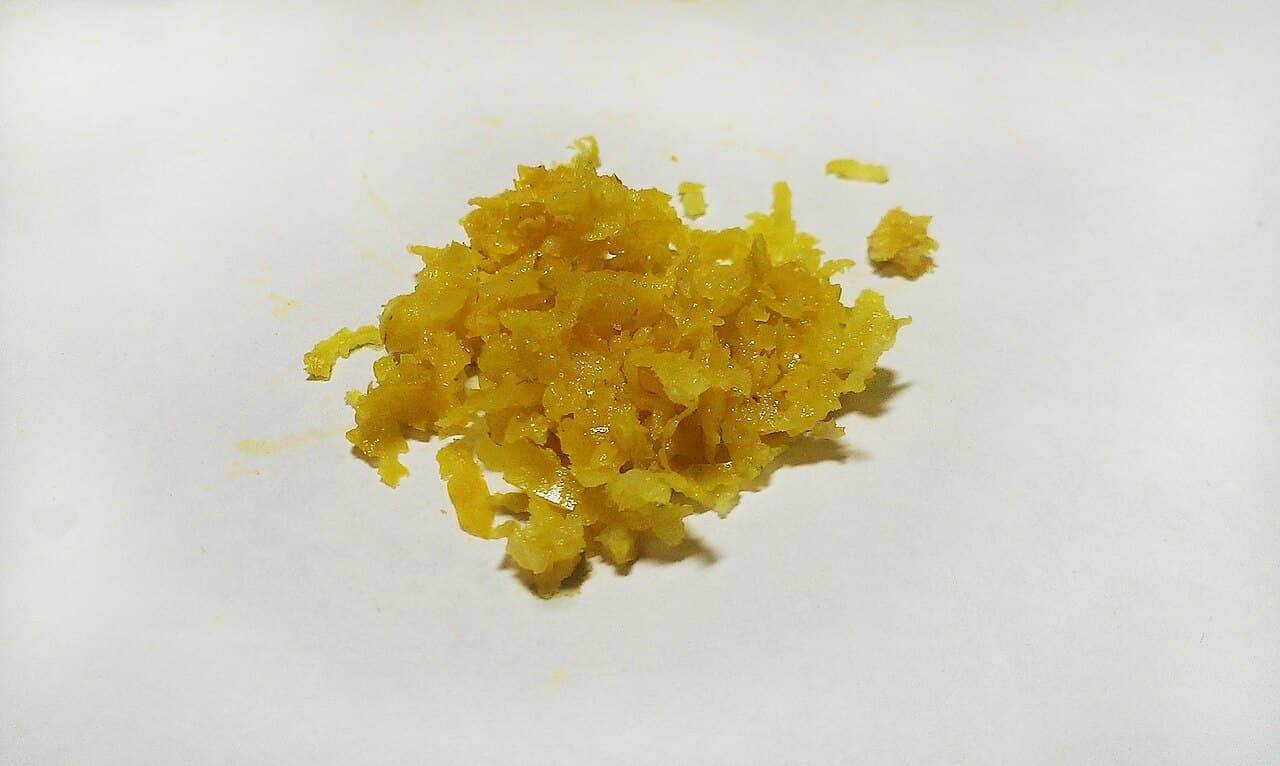
Zest means the thin colored part of the peel, rather than a thick shaving that includes a substantial layer of white pith. It can bring a clear lemon aroma without adding a spoonful of juice. That makes it useful where extra liquid would change the mixture, or where you want a citrus impression without making a dish much sharper.
Use a clean, suitable fine grater or zester and work lightly across the surface. Turn the fruit as you go so you are taking the colored layer from a new area instead of repeatedly scraping down into the white. Keep your fingers away from the cutting surface, especially as the lemon becomes harder to hold securely.
Prepare the outside before using the inside
Wash the lemon under running water before zesting or cutting it. The fact that a peel is often discarded does not make the outside irrelevant during preparation: a knife or grater comes into contact with it. Use clean equipment and avoid washing produce with household detergents or other products that are not intended for that purpose.
Zest a whole lemon before squeezing it when a recipe calls for both. The intact fruit is easier to hold than a collapsed half. Keep the zest covered and use it promptly so it remains a useful aromatic ingredient. A small amount goes a long way, so measure for a recipe rather than assuming the entire peel belongs in one serving.
Juice changes balance as well as flavor
Lemon juice adds acidity and water together. In a dressing, soup or sauce, it can make a rich or flat mixture feel brighter, but too much can overwhelm other ingredients. Add it gradually and taste a complete spoonful after stirring. A dish that contains cheese, yogurt, tomatoes or another acidic ingredient may need less than you initially expect.
This is especially important when adjusting a finished dish. Start with a small addition, mix it thoroughly, and give yourself a moment to taste again. Pouring a large amount over the surface can create one very sharp area without balancing the rest of the meal. Keep some of the unseasoned mixture available when you are learning a new combination.
Pith is a separate ingredient choice
The pale layer beneath the colored peel is pith. It has a different structure and can contribute bitterness when a large amount is included unintentionally. That does not mean the entire peel is useless or that pith must never appear in cooking. Some recipes deliberately use whole or prepared citrus peel, with methods developed to produce a particular result.
The mistake is substituting a thick piece of peel for finely grated zest without considering the change. A small twist used as a garnish, a strip cooked in a syrup and a teaspoon of grated zest are different preparations. Follow the recipe when peel is a major ingredient, rather than relying on the amount you would use for a quick finishing touch.
Choose the part that solves the problem
For a roasted vegetable dish that needs a fresh aroma but already has a tangy dressing, a little zest may be useful. For a lentil salad that tastes heavy, a measured amount of juice can help balance the mixture. For a cake recipe, use the specified amount and form of lemon because changing liquid or acidity may affect more than flavor.
Our roasted vegetable guide is a good place to try a small finishing addition. Compare one piece with a little zest and another with a few drops of juice. This simple tasting makes the difference clearer than treating lemon as a single, undifferentiated flavor.
Avoid accidental substitutions in baking and preserving
In an ordinary dressing, there is often room to adjust by taste. Baking and food preservation can be less forgiving. If a tested preservation recipe requires a specified acid ingredient, do not replace it with zest because the aroma seems similar. Zest does not supply the same acidity. Similarly, a recipe that calls for a standardized bottled juice may have a specific reason for that instruction.
For baking, keep the stated quantities until you understand the recipe. A lemon-flavored extract, fresh juice and grated zest each bring something different. The safest way to experiment is to change a finishing element in a flexible dish, rather than making an untested substitution in a method that depends on a precise balance.
Give the remaining lemon another use
Once you have zested a lemon, plan how the juice will be used. A small quantity can go into a dressing or a sauce that genuinely needs it. If you have more than you can use promptly, follow an appropriate storage or freezing method and label the portion. Do not leave a cut or prepared ingredient forgotten at the back of the counter because it no longer looks like a whole lemon.
The distinction is simple but useful: zest is mainly an aromatic finishing tool, juice changes acidity and liquid, and pith is a separate textural and flavor choice. Knowing which one you want makes citrus a more precise ingredient.