Japanese Pantry Essentials: What to Buy First and What Can Wait
Start a Japanese pantry with ingredients for two or three meals you actually want to cook.
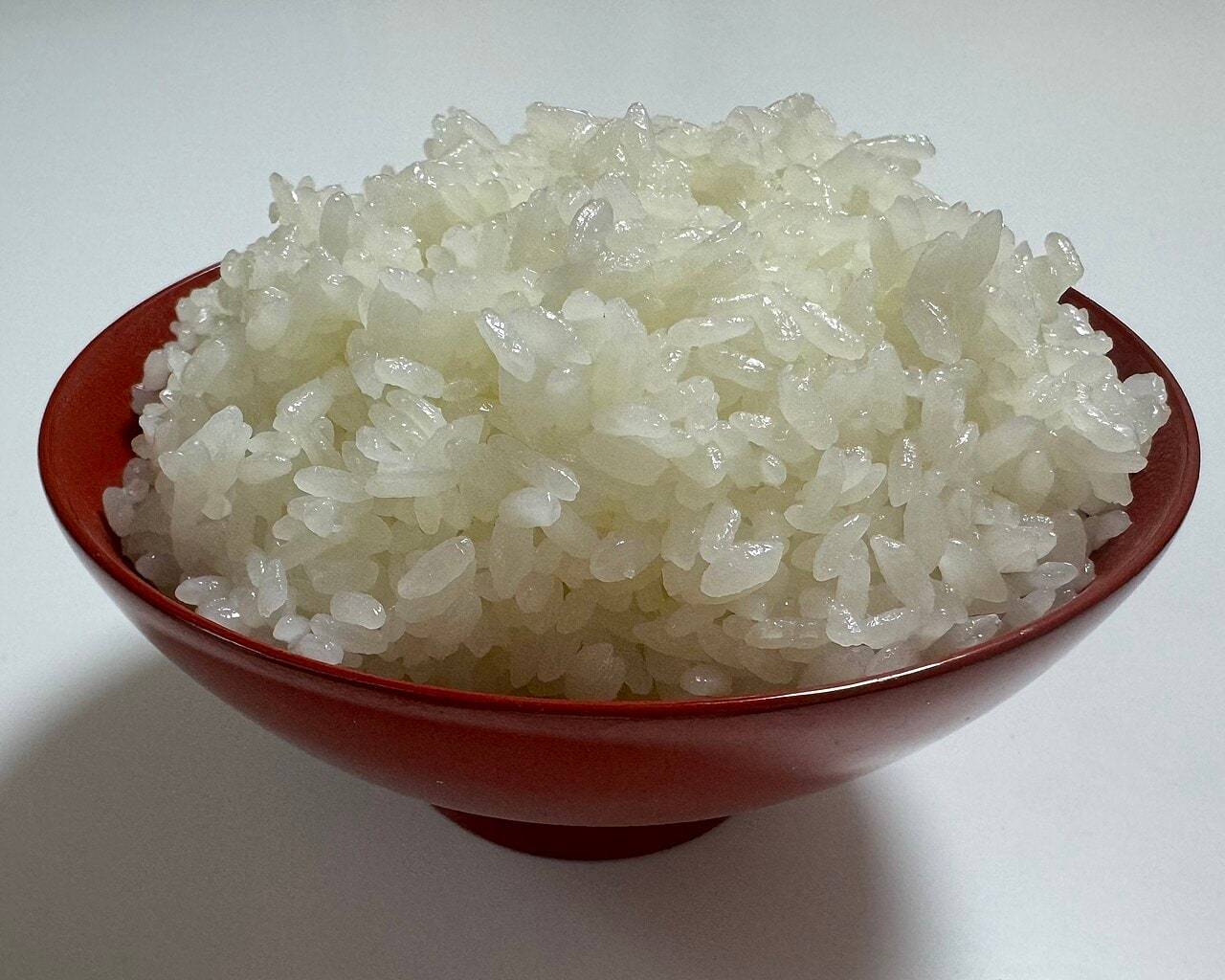
Start a Japanese pantry with ingredients for two or three meals you actually want to cook. Rice, Japanese soy sauce, a suitable dashi option, miso, mirin, sake and rice vinegar cover useful foundations, but you do not need every one for every dish.
Buying the entire specialist aisle creates a collection. Buying ingredients you will use again creates a pantry.
Build the first shelf around meals
| Ingredient | Why it is useful | What to check when buying |
|---|---|---|
| Ordinary Japanese-style short-grain rice | Rice bowls and accompaniments | Not glutinous mochigome; plain rice rather than a seasoned kit |
| Japanese soy sauce | Seasoning in many dishes | Style and ingredients; do not assume every country's soy sauce has the same flavour |
| Dashi ingredients, packets or granules | A stock foundation | Whether the product uses fish, kombu, mushrooms or a combination |
| Miso | Soup and other seasonings | The type named by your first recipes and storage after opening |
| Mirin | A sweet cooking seasoning | Product type and the recipe's intended use |
| Sake for cooking | Used in many sauces and simmered dishes | Whether the product contains added salt |
| Rice vinegar | Dressings and other acid seasoning | Plain versus seasoned vinegar |
Already having salt and sugar covers two more common seasoning needs. A ready-made sauce may be convenient, but it is a separate product from the individual ingredients above.
Add fresh food for a complete meal
A pantry is not the whole shopping list. Choose the vegetables, tofu, eggs, fish or meat required by the meals you plan. Buy perishable ingredients in quantities you can use rather than treating tofu as an unopened jar that can sit beside the rice indefinitely.
For rice, start with our Japanese short-grain rice guide. If you need tofu, the distinction between silken and firm tofu can matter more than buying a particular brand.
What can wait?
Buy specialist rice flours when you decide to make a sweet that needs them. Shiratamako is useful for its own recipes, but not a compulsory entry ticket to everyday Japanese cooking. Likewise, add nori, sesame, dried mushrooms or other seasonings when a planned dish gives them a purpose.
This staged approach is an editorial starting point, not a claim that one shelf represents every Japanese household. Maki Itoh's pantry guide is particularly useful for thinking about cost and availability outside Japan, while Just One Cookbook gives a wider ingredient reference.
Keep substitutions honest
Mirin and sake are different ingredients; seasoned rice vinegar is not simply plain vinegar in a more colourful bottle. Choose recipes offering accessible alternatives when needed instead of changing several key seasonings without guidance.
Check labels for dietary requirements, especially on dashi, soy sauce and prepared sauces. Then keep a short note of what you cooked and what remains. Your next shopping list should come from the kitchen, not from an aspirational photograph of somebody else's cupboard.