Firm Tofu: When to Use It and Whether to Press It
Firm tofu is a relatively sturdy tofu used where pieces need some structure without the densest texture available.
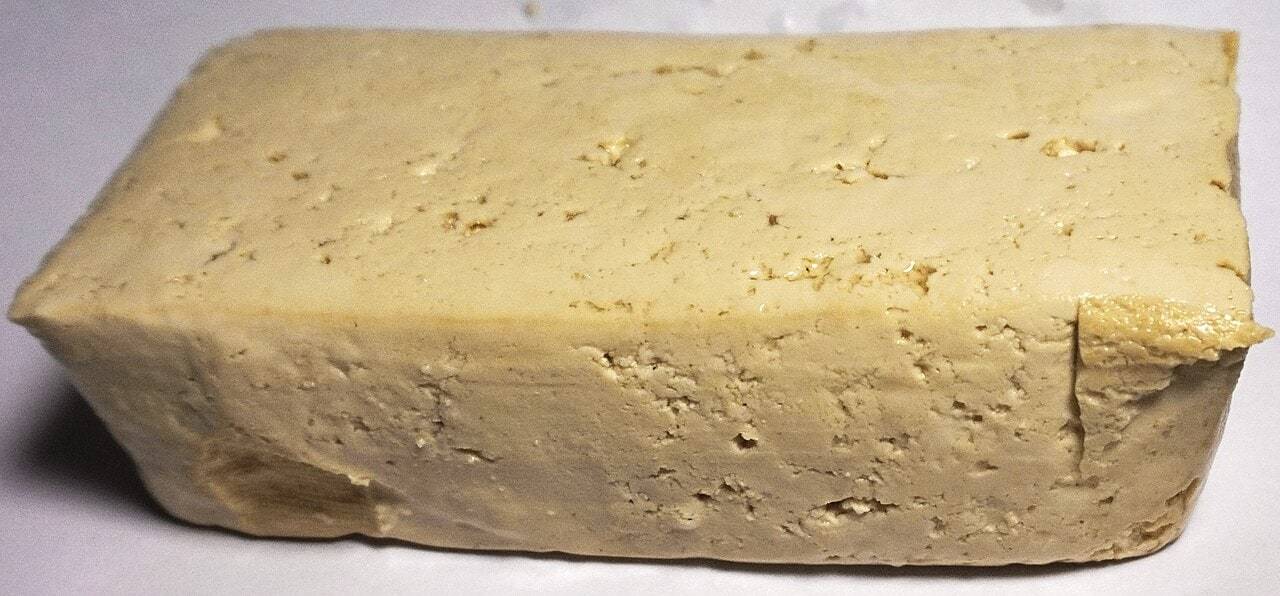
Firm tofu is a relatively sturdy tofu used where pieces need some structure without the densest texture available. It can be useful in simmered dishes, scrambles, sandwiches and stir-fries, depending on the recipe.
The description needs to be read in full. Firm silken tofu is another product style; firm on its own is not enough information to guarantee that two blocks behave alike.
What makes an ordinary firm block useful?
In a conventional pressed tofu, curds are formed and liquid is removed to create a block. Kikkoman describes firm tofu as less likely to fall apart during cooking than a delicate silken type and lists uses including simmered dishes and hot pot.
This makes it a practical choice when you want identifiable pieces but do not need the very firm texture of a denser product.
Pressing depends on the dish
Pressing removes some additional liquid. It can be useful before pan-frying or baking a water-packed firm tofu when the recipe seeks a drier surface and a firmer result.
For a soup or simmered dish, follow that dish's preparation rather than assuming every block needs the same pressing routine. A method designed for browning is not automatically necessary when the tofu is going straight into broth.
A simple preparation sequence
Drain according to the package and recipe. If pressing is specified, use a stable setup or a tofu press and collect the released liquid. Then cut evenly sized pieces and continue with the chosen cooking method.
If your recipe wants a scramble, neat cubes are unnecessary. If it wants slices for a sandwich, shape and thickness matter more. Choose the handling for the result instead of applying one tofu routine to every meal.
A sensible alternative
Ordinary extra-firm tofu can work in some flexible preparations, with a denser bite. A delicate silken block changes the texture more substantially. Look for substitution guidance in the actual recipe before treating either as identical.