Silken Tofu vs Firm Tofu for Soup: Choose the Texture You Want
Use silken tofu when you want delicate, smooth pieces in the broth.
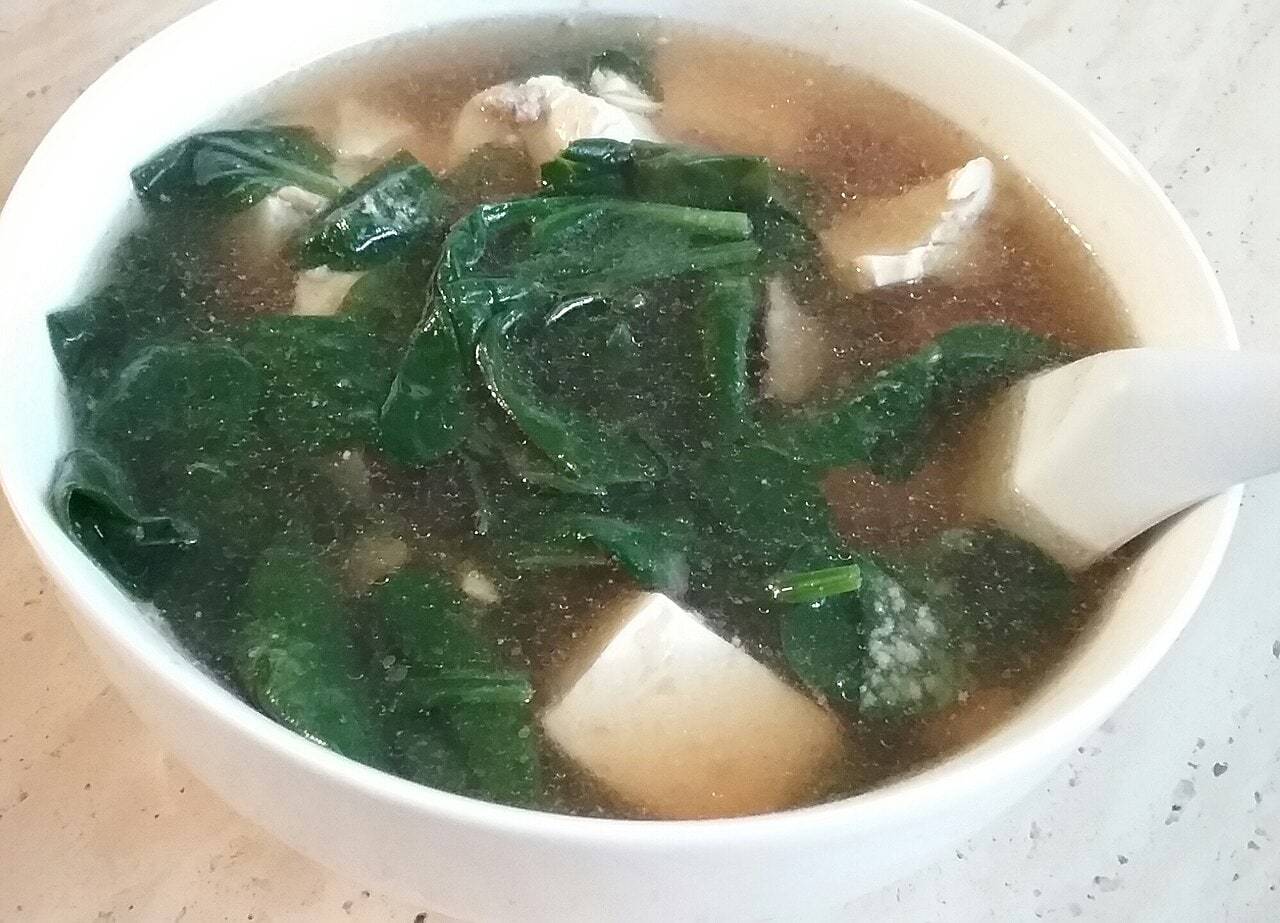
Use silken tofu when you want delicate, smooth pieces in the broth. Choose ordinary pressed firm tofu when you want more substantial cubes that are easier to handle. Both can belong in soup; the better choice depends on the texture of the dish and how you cook it.
Before comparing packets, read the whole name. Silken tofu can itself be labelled firm or extra firm. That is a firmness level within the silken range, rather than proof that it is the same as a pressed block.
Match the tofu to the bowl
| What you want | A useful starting choice | How to handle it |
|---|---|---|
| Very smooth, tender pieces | Silken tofu | Cut or spoon it gently into the soup and avoid rough stirring |
| Clearly defined, substantial cubes | Pressed firm tofu | Cut evenly and add according to the recipe's simmering instructions |
| A creamy blended soup | Silken tofu in a recipe designed for blending | Blend it into the liquid rather than expecting distinct cubes |
| Browned tofu added as a topping | A pressed tofu specified by the recipe | Prepare the browned topping separately rather than expecting it to crisp in broth |
These choices are about the result you want, not a rule that only one tofu can be used in a particular country's cooking.
What about miso soup?
Silken tofu is a good choice when you like a soft, smooth mouthful. Pressed firm tofu offers a more robust bite. Kikkoman's tofu glossary identifies soup uses for silken tofu and simmered uses for firm tofu; Nasoya also includes silken tofu in a published miso noodle soup.
If you follow a specific recipe, use its stated tofu first. A delicate clear soup and a substantial noodle bowl may benefit from different textures even when both include miso.
Stop the cubes falling apart
Drain the packet carefully, then move silken tofu with a broad spoon or gentle slide from a board. Avoid repeatedly stirring through it with a narrow utensil. If other ingredients need vigorous mixing, finish that stage before adding the delicate pieces.
Large pieces can still break when stirred hard. The solution is gentler handling, rather than simply cutting a bigger cube and hoping it has acquired armour.
Do you need to press tofu for soup?
Pressing is not a compulsory first step for every tofu dish. Follow a soup recipe's preparation instructions. A method for pressing firm tofu before frying has a different purpose from warming tofu in broth; do not apply it automatically to a fragile silken block.
For shopping help, compare silken tofu, firm tofu and extra-firm tofu. Keep any storage and heating directions on the actual packet: the word tofu alone does not tell you whether a product was sold refrigerated or in an aseptic carton.