How to Store Ripe Tomatoes and Keep Their Flavor
Ripeness, room temperature and timing matter more than a blanket rule about the fridge. Learn a practical storage plan for whole and cut tomatoes.
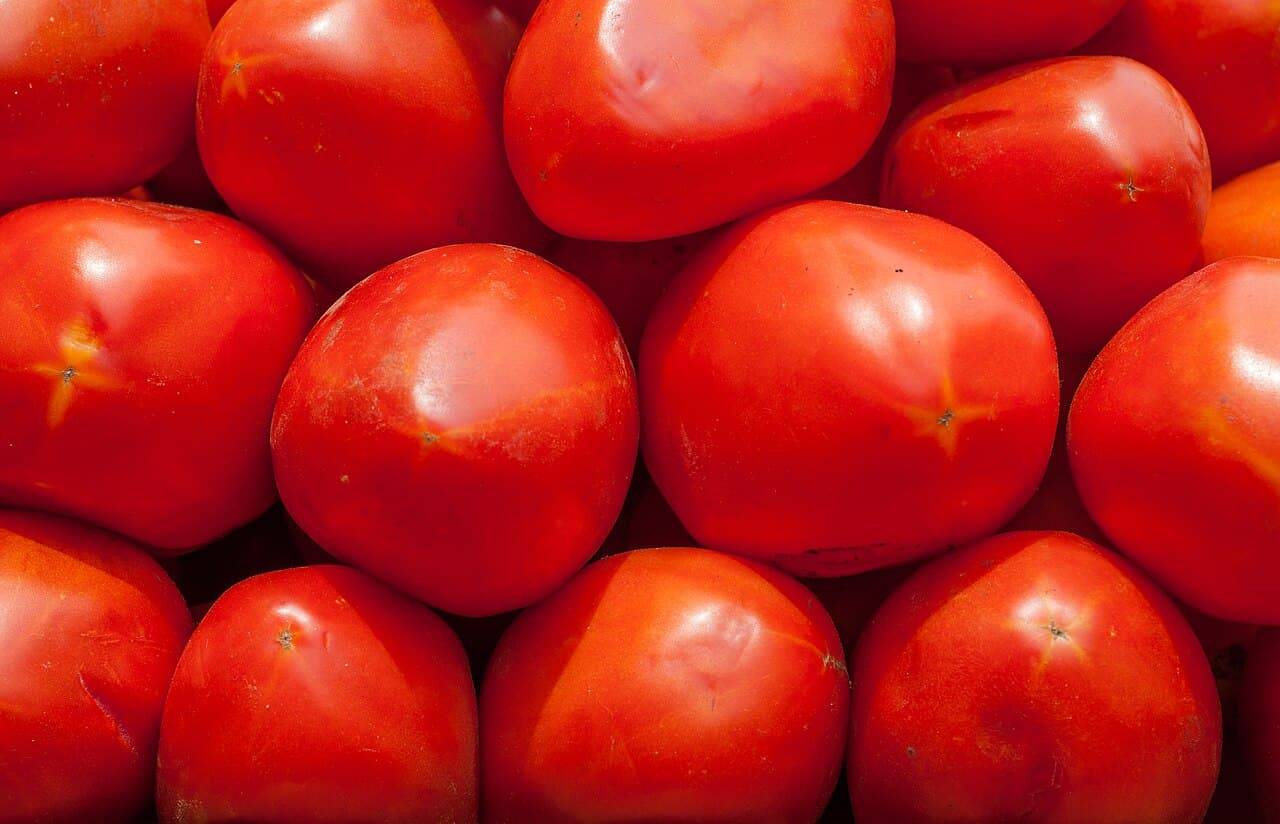
The best place for a tomato depends on how ripe it is and when you will eat it. A firm, underripe tomato needs a different plan from a fully ripe one that would otherwise spoil before dinner. The familiar instruction to keep every tomato out of the refrigerator misses that practical distinction. Start by judging the fruit, then choose the storage conditions that fit its next use.
Separate ripening from holding a ripe tomato
An underripe tomato is still developing its color, texture and flavor. Keep sound, whole fruit at a suitable room temperature, away from direct sun and strong heat, while it ripens. A sunny windowsill may look appealing, but extra heat is not a requirement for ordinary indoor ripening. Check the tomatoes regularly instead of leaving them in an opaque bag and forgetting them.
A fully ripe tomato has a different problem: preserving a useful condition for a short time. If you will eat it soon, a cool spot at room temperature can suit it. If it cannot be used before it deteriorates, short refrigeration can be a sensible compromise. The goal is good food that gets eaten, rather than perfect adherence to a slogan.
Handle the fruit gently
Tomatoes can bruise under a pile of heavier produce or in an overfilled shopping bag. Arrange them where they will not be crushed and avoid squeezing repeatedly to check ripeness. A gentle assessment is enough. Keep an eye on cracks, leaking areas and signs of decay, because damaged fruit will not behave like a sound tomato stored under ideal conditions.
Choose tomatoes with your schedule in mind. If tonight's meal needs ripe slices, very firm fruit may not provide the flavor or texture you want in time. If you are shopping several days ahead, a mix of ripeness stages may be more useful than a large batch that all needs eating immediately.
Use refrigeration as a deliberate short-term choice
University of California guidance notes that ripe tomatoes can be held in the refrigerator for a few more days when they cannot be eaten immediately. Cold storage can affect eating quality, so it is a trade-off rather than a way to improve every tomato. Avoid interpreting that guidance as a promise that a poor-quality fruit will become better simply by being chilled.
Keep the fruit protected from crushing and excessive drying. When you want to serve a whole tomato that has been refrigerated, allowing a suitable portion to lose some of its chill before eating may make the experience more pleasant. Do not transfer this casual serving choice to a prepared perishable dish that needs to remain refrigerated.
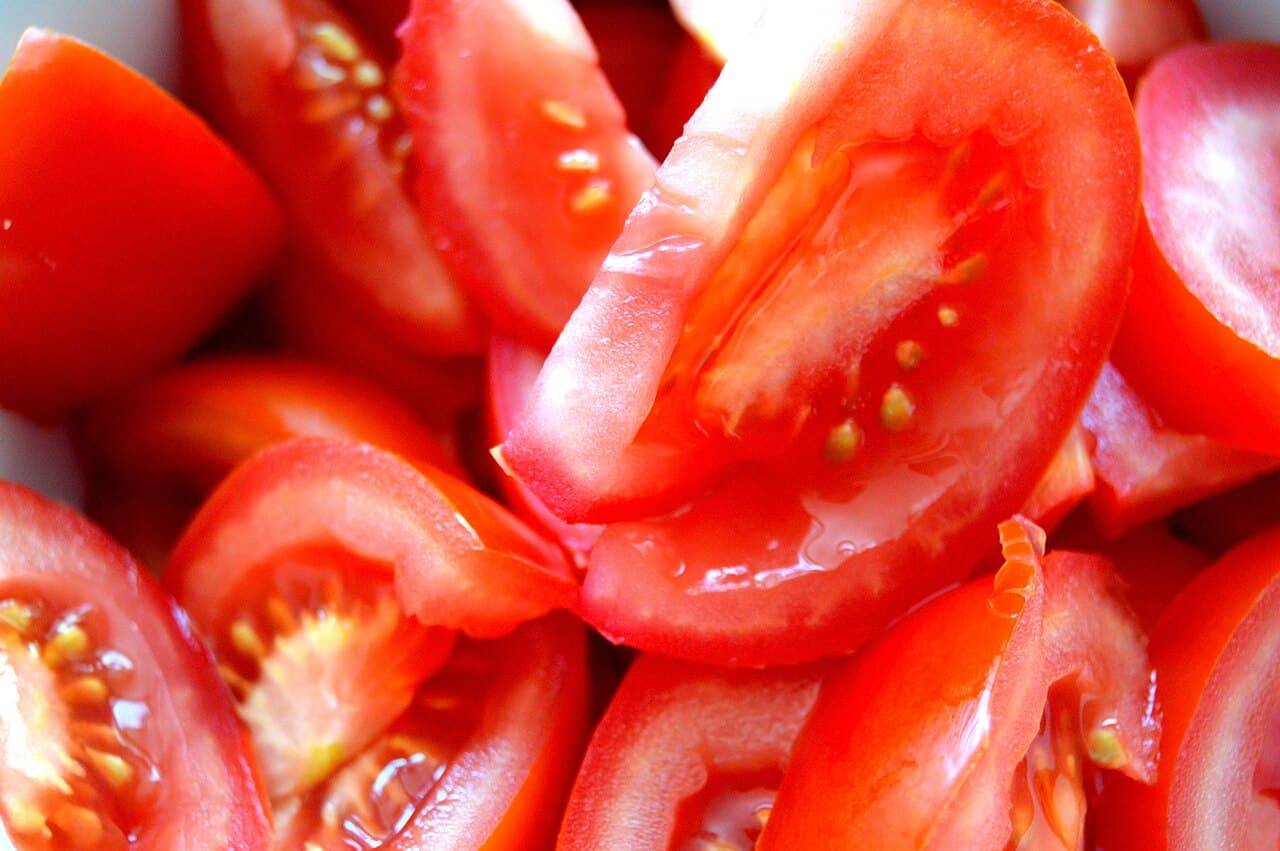
Once cut, use a different rule
A cut tomato is no longer the same storage situation as an intact fruit ripening on the counter. Cover and refrigerate the unused portion promptly, using a clean container. Keep the cutting board and knife clean, especially when raw meat or other ingredients are being prepared in the same kitchen. A storage method that protects flavor should never take priority over safe handling.
For a prepared tomato salad, consider the entire mixture. Cheese, cooked grains, meat or a dressing may change the handling requirements. The tomato's original ripeness does not tell you how long a finished meal can remain unrefrigerated. Plan the serving time and put leftovers away promptly.
Match the next meal to the texture
A very ripe but otherwise sound tomato can be useful in a cooked sauce or a dish where a soft texture is welcome. A firmer ripe tomato may be more convenient for neat sandwich slices. This is a way to use ingredients at their best, not a suggestion to cook away visible mold, decay or other spoilage. When the fruit is spoiled, changing the recipe is not the answer.
Tomatoes also bring liquid to a dish. Add chopped tomatoes to a bowl thoughtfully if you want other ingredients to stay crisp. If you are assembling lunch in advance, keeping them separate until serving can help control the texture. Our meal-prep grain-bowl guide explains that component-based approach.
Avoid storage myths that promise too much
A paper bag may help organize ripening fruit and retain a useful environment, but it does not remove the need for inspection. Nor does one storage temperature suit every variety, ripeness stage and kitchen. Advice written for commercial harvesting or long-term transport may involve conditions that are difficult to reproduce at home. Use household guidance that fits the product you actually have.
Similarly, a tomato's color is not a universal ripeness chart across all varieties. Some mature tomatoes are yellow, green-striped or dark-toned. Learn the usual appearance and feel of the variety rather than assuming that every ripe fruit must become the same shade of red.
Make a small daily check part of the routine
Look over the tomatoes when planning a meal and bring the ripest sound fruit into use first. Keep them visible enough to remember, without placing them in strong heat or sunlight. If you often throw out a large number, buy a smaller quantity or choose different stages of ripeness rather than searching for a storage trick that promises unlimited time.
The most useful rule is flexible: let sound underripe tomatoes ripen, enjoy ripe fruit promptly, use short refrigeration when it prevents waste, and refrigerate cut portions. That is more practical than treating the refrigerator as either always wrong or always necessary.