How to Store Fresh Herbs So You Actually Use Them
Match storage to the herb, manage moisture and plan a use for the leftovers. Practical tips for parsley, cilantro, basil and woody herbs.
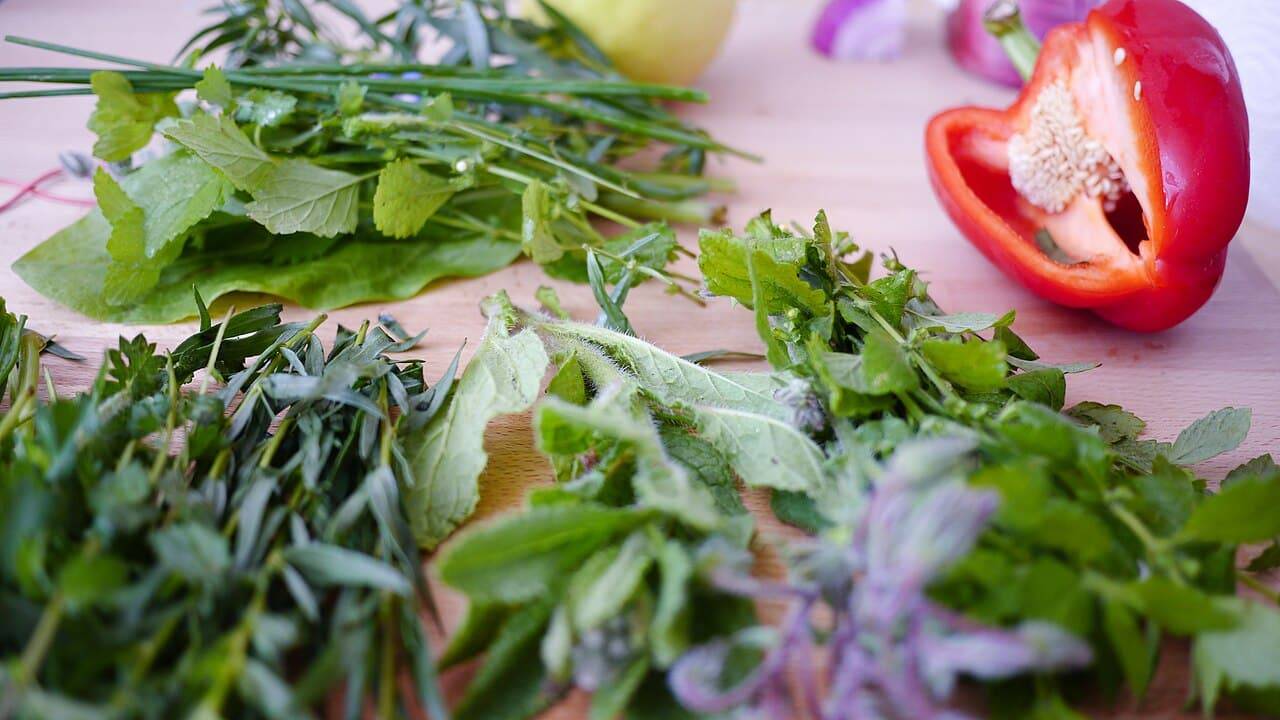
Fresh herbs often disappear into the refrigerator as a promising bunch and reappear as a forgotten, wilted package. Better storage helps, but the bigger improvement is choosing a method that suits the herb and deciding how you will use it. Tender parsley, cold-sensitive basil and a woody sprig of rosemary do not behave in exactly the same way. Treat the bunch as an ingredient with a destination, rather than a decoration waiting for the perfect recipe.
Inspect the bunch before putting it away
Open the packaging and remove damaged or slimy leaves. A tightly packed bunch can hide moisture and deterioration in the middle, so look through it gently rather than judging only the visible top. Trim clearly damaged stems without crushing the healthy leaves. If the herbs have an unpleasant odor, visible mold or extensive decay, do not treat a quick rinse as a way to make them usable again.
Buy a quantity that fits your cooking habits. A large bunch is only a good value if it becomes food. If you regularly use a small amount, a smaller packet, a suitable growing plant or a plan to preserve the extra may be more practical. The right choice depends on your space and how often you cook with that herb.
Manage water without trapping excess moisture
Herbs need protection from drying out, but wet leaves pressed together in a sealed package can deteriorate quickly. If you wash before storage, drain and dry the herbs gently and thoroughly. Otherwise, wash the portion you are about to use under running water and dry it before chopping. Avoid treating a crowded sink full of dishes as a clean washing area.
A salad spinner can help with sturdy leaves, while delicate herbs may need a light touch with a clean towel. The aim is not to squeeze them dry. Bruising breaks the leaves and can make them darken. Keep the bunch loose enough that you can see what is happening, rather than compressing it into a tiny container.
Use the refrigerator for herbs that suit it
For herbs such as parsley and cilantro, a refrigerated arrangement with stems in a little water can be useful. Keep the leaves above the water and cover loosely where appropriate. An alternative is to wrap a dry bunch loosely in a lightly damp towel and place it in a suitable container or bag. The method should protect the leaves without leaving them soaking wet.
Check the herbs regularly and change dirty water. Neither a jar nor a towel removes the need to look at the food. Storage results vary with the condition of the bunch, the refrigerator and the herb itself, so a promised number of weeks should not become a reason to ignore visible spoilage.
Give basil a different plan
Whole fresh basil can be sensitive to refrigerator temperatures. University of Minnesota guidance describes storing stems in water at room temperature, away from the assumption that every fresh herb belongs in the coldest part of the kitchen. Keep it out of harsh heat and direct sun, use it promptly and inspect it daily. A warm windowsill above a heater is not a neutral storage location.
This advice concerns a fresh bunch, not a prepared dish containing chopped basil, cheese, meat or another perishable ingredient. Once basil becomes part of a meal or a prepared sauce, handle that food according to appropriate refrigeration guidance. Storage advice for one raw ingredient should not be stretched to cover the entire recipe.
Make a second use part of the first meal
If a recipe needs only a few leaves, decide what the rest will do while the bunch is still fresh. Parsley can finish roasted vegetables, chopped cilantro can be added at serving, and a small quantity of mint can flavor a yogurt dressing. Keep the intended meal in mind so you do not turn a leftover herb into a large new shopping list.
A flexible meal such as a grain bowl gives small amounts of herbs somewhere useful to go. Separate tender leaves from tough stems when the texture matters. Some stems can be chopped finely or used in cooking, but check the herb and the recipe rather than assuming every woody stem should be eaten.
Freeze for cooking, not for a fresh-looking garnish
Freezing can preserve herbs for later use, but it changes their texture. Frozen leaves are generally better directed into cooked dishes or mixtures than expected to look freshly picked on a finished plate. Wash, dry, portion and label the herbs so you can take a useful amount without thawing the entire supply. Follow a reliable preservation guide for the specific method.
If a method involves oil, distinguish freezing a prepared portion from keeping homemade herb-and-oil mixtures on the counter. Those are different storage situations. Do not invent a shelf-stable preservation technique from a short kitchen tip. The safe, useful goal is a clearly labeled ingredient stored under the conditions its method requires.
Keep a small herb routine
When you open the refrigerator, look at the herbs rather than letting them hide behind taller containers. Move the bunch you need to use soonest into view. A quick check can turn a small leftover into dinner while it is still pleasant, which does more for waste reduction than an elaborate storage container that never gets opened.
There is no single trick that keeps every herb perfect indefinitely. Choose a suitable environment, keep leaves from becoming either waterlogged or completely dry, and give the bunch a realistic place in your next few meals.