How to Read Whole-Grain Labels Without the Guesswork
Learn what whole-grain wording means, why brown bread is not proof, and how ingredients and serving sizes make product comparisons clearer.
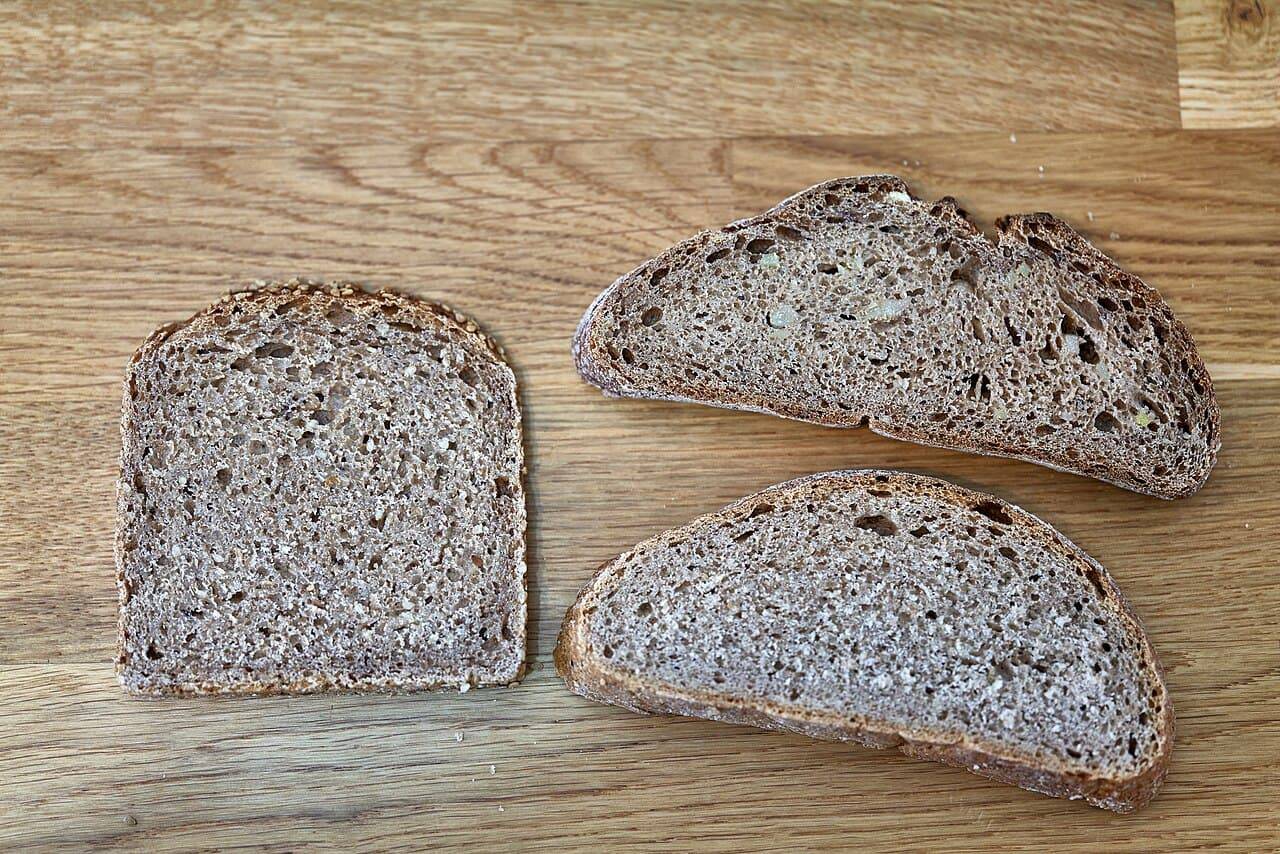
The quickest way to understand a grain product is to turn the package over. A brown loaf, a scattering of seeds or a name that sounds rustic does not tell you how much whole grain it contains. The ingredient list and nutrition panel answer different questions, and using them together makes shopping considerably less confusing. You do not need to memorize every grain or treat one label word as a verdict on the entire food.
Know what you are looking for
A whole grain contains the grain's main parts: bran, germ and endosperm. Refining changes that composition, often removing bran and germ. Whole wheat is one example of a whole grain, but oats, brown rice and other grains can also belong in the category. The important distinction is the ingredient, rather than whether a product resembles a traditional brown loaf.
On a bread or cereal ingredient list, look for clear wording such as whole wheat or whole-grain oats. Some grain names are more straightforward than others, so do not assume that an unfamiliar word means either whole or refined. When the packaging provides a specific explanation, use it. A package that gives a percentage or amount can tell you more than an attractive front-of-pack photograph.
Do not use color as a shortcut
Bread color can come from its ingredients and preparation, including ingredients added for flavor or appearance. A dark slice is therefore not a dependable measurement of whole-grain content. The same applies to visible seeds: they may add flavor and texture, but their presence does not establish what flour forms the main structure of the loaf.
The word multigrain tells you that more than one grain is involved. By itself, it does not promise that those grains are whole. A seeded multigrain loaf can contain substantial refined flour, while a relatively plain-looking loaf may clearly identify whole wheat as its principal grain ingredient. Let the list clarify what the front of the packet leaves open.
Read the ingredients in context
Ingredients are listed by weight, so the position of the whole-grain ingredient can be useful. But avoid turning one position into a complete nutrition score. A recipe contains several components, and a product with whole grain can still differ considerably from another in sodium, added sugars, portion size and overall composition. The question is which product fits the use you have in mind.
For example, compare two sandwich breads that you would realistically eat. One may provide a stronger whole-grain flavor and a denser slice; the other may be softer and easier for a particular family member to enjoy. Identifying the ingredients helps you make an informed choice without pretending that everyone needs the same texture or serving.
Compare equal amounts on the nutrition panel
A serving size is a reference amount used for the label, not an instruction telling every person how much to eat. If one bread lists one large slice and another lists two smaller slices, the headline numbers are not directly comparable until you check the weights. Where labels provide information per one hundred grams, that can be a convenient comparison. Otherwise, use the serving weight to understand the difference.
Look at dietary fiber alongside other information that matters to you. Fiber is useful information, but it does not independently prove that a product is whole grain: ingredients can be added to increase it. Likewise, a whole-grain food may have a modest amount per small serving. The ingredient list identifies the grain; the panel helps you understand the serving.
Check the product you will actually use
Bread, crackers, pasta and breakfast cereal serve different purposes. A strongly flavored whole-grain cracker may work beautifully with a dip but be a poor substitute for a soft sandwich loaf. Whole-grain pasta can need slightly different attention in the saucepan, so use the package's cooking instructions and taste for the texture you prefer. A good choice is one you can use well, rather than one that stays unopened in the cupboard.
If a household is getting used to a new texture, begin with a meal where the grain has useful partners. A warm bowl with vegetables and a sauce can make a different grain feel less unfamiliar. Our grain-bowl formula is one way to plan that meal without buying a long list of ingredients that only fit one recipe.
Keep claims and personal needs separate
A whole-grain label does not automatically make a food gluten-free. Wheat, barley and rye matter to people who must avoid gluten, and cross-contact information may also be relevant. Do not use a general whole-grain claim as a substitute for the specific labeling and professional guidance needed for a diagnosed condition. Similarly, a food's suitability depends on more than the presence of one favorable ingredient.
Packaging language also varies between countries. If you shop across markets, check the local labeling context rather than assuming that a familiar term has precisely the same regulated meaning everywhere. The practical habit still travels well: look for the grain ingredient, check the serving amount, and compare products that perform the same job in your kitchen.
A short shopping routine
Choose two plausible options, read their grain ingredients, compare similar serving weights and consider the flavor and texture you will enjoy. That is enough to make a more informed decision. You can take a photograph of a useful label if you want to compare it later, but there is no need to turn an ordinary shop into a lengthy scoring exercise.
The aim is clarity. Once color, seeds and marketing language stop doing the work of the ingredient list, whole-grain shopping becomes a much more manageable task.