How to Freeze Bread and Bring It Back to Life
Freeze bread in portions you will use, protect it from drying out and choose a sensible thawing method for slices, rolls and whole loaves.
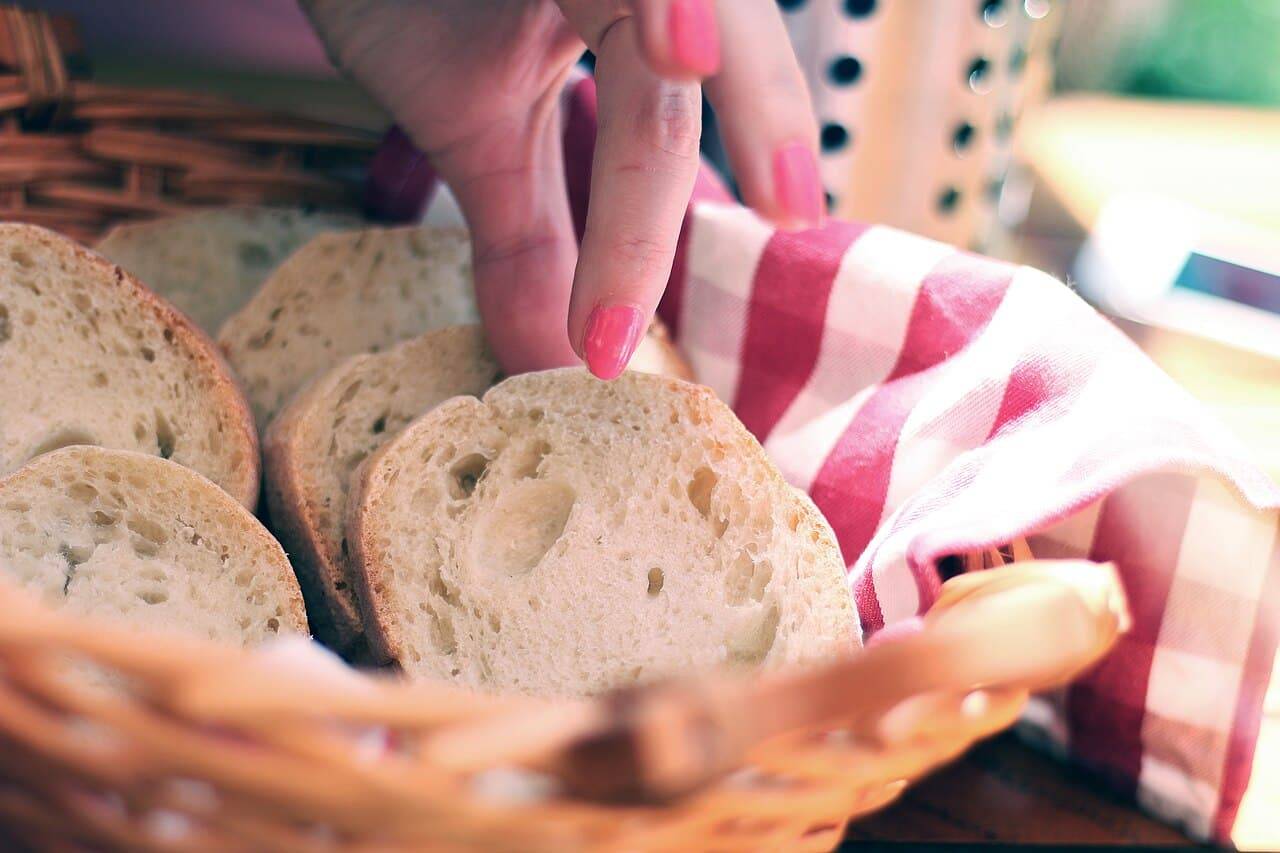
Freezing bread works best when you do it before the loaf has become a problem. A fresh portion protected from air has a better starting point than a stale loaf pushed into the freezer because nobody wants it. Divide bread for the way you eat, wrap it well, and take out only what you need. The method should make tomorrow's toast or sandwich easier, rather than leave you wrestling with a solid block of slices.
Decide whether to freeze slices or a loaf
Slices suit a household that uses bread a little at a time. A whole loaf or a few rolls may make more sense when you know they will be served together. Think about the next meal before choosing the package size. Freezing an entire large loaf is inconvenient if you only want one sandwich, while individually wrapping every slice may be unnecessary for a family breakfast.
If you slice a fresh homemade loaf, let it cool first. Cutting and wrapping bread while it is still giving off substantial heat can trap moisture and affect the surface. Use a clean, suitable knife and a stable board. The slices do not have to be perfect, but a reasonably even thickness makes toasting more predictable.
Protect the bread from air
Use packaging designed for freezer storage and close it properly. Press out excess air gently without crushing soft bread. For a longer storage period or a delicate loaf, a second protective layer may help keep the package intact. The purpose is to reduce drying and protect the bread from odors and damage, not to compress it into a smaller shape at any cost.
Separate slices if they are likely to freeze tightly together. A small piece of suitable freezer wrapping between portions can make removal easier. Another option is to arrange slices briefly so they firm separately before packing, where freezer space and handling allow. Label the package with the bread type and date so it is easy to identify later.
Freeze bread while it is still worth eating
Freezing slows changes; it does not reverse staleness or make spoiled bread acceptable. If bread has visible mold, do not treat freezing or toasting as a way to rescue it. For an otherwise sound loaf that is simply drying out, a different immediate use, such as crumbs, may be more suitable than expecting it to return as a soft sandwich bread.
Keep the freezer at an appropriate temperature and avoid packages being repeatedly warmed while you search for another item. Put the portion you expect to use first where it is easy to reach. A simple rotation routine is often more effective than remembering an ambitious promise to use every frozen item in the correct order.
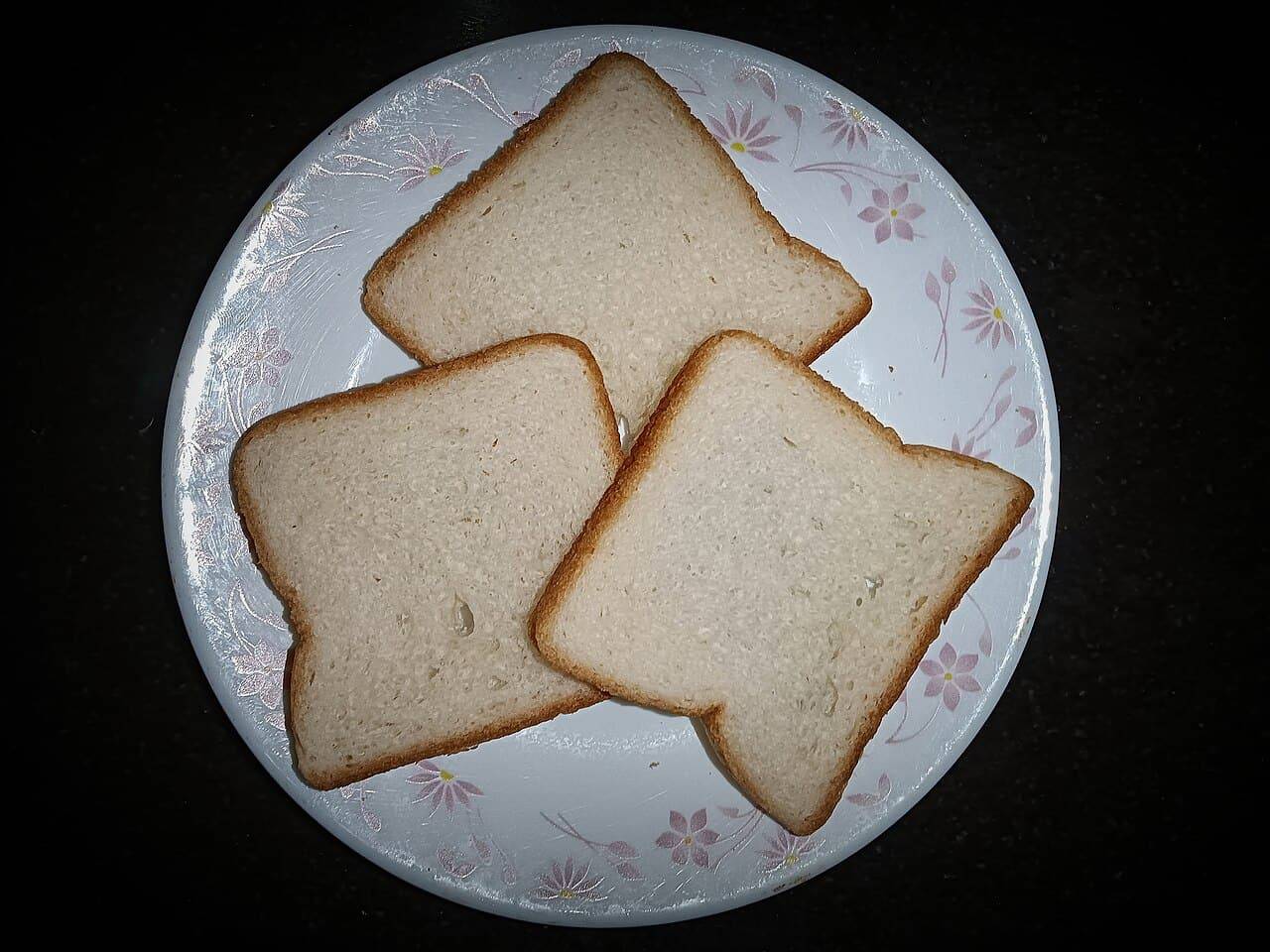
Toast individual slices when that suits the meal
Many plain bread slices can go from frozen to a toaster using the appliance's instructions and settings. Watch the first attempt because thickness, moisture and the toaster itself all influence the result. Do not insert packaging, foil or unsuitable toppings into a toaster. A slice that needs a little extra time is a better problem than leaving an appliance running unattended.
For a sandwich that does not need toast, thaw a small portion in its wrapping or a suitable covered container at room temperature when appropriate for plain bread. Avoid leaving it exposed until the surface dries. Filled sandwiches and breads containing perishable fillings need their own safe-handling instructions; advice for an unfilled loaf does not automatically cover them.
Warm a loaf gently rather than trying to bake it again
A whole loaf needs more time to thaw than a slice. Plan ahead rather than relying on very high heat to warm the center quickly. A suitable recipe or preservation guide can provide reheating instructions for the type of bread you have. Covering or wrapping may help protect the crust, but use materials only in appliances where they are safe.
A microwave can soften or warm some bread quickly, but the result may change as it cools. Use a modest setting and a short interval rather than assuming more heat always improves the texture. If you are serving several people, test the method with a small portion before making the entire meal depend on it.
Match storage expectations to the bread
Freezer storage recommendations often describe best quality, not an exact moment when safely handled frozen bread becomes unsafe. Bread composition and packaging affect how enjoyable it remains. Rich rolls, crusty loaves and delicate pastries are not interchangeable, and a storage guide may give them different timelines. Use the relevant category rather than choosing the longest number on the chart.
Check the package for drying, damage and signs that the contents have not stayed properly frozen. If there has been a power failure or a thawing event, consult appropriate food-safety guidance for the product. Do not use smell alone as a universal safety test.
Make freezing part of buying bread
When you bring home a loaf, decide how much you will use fresh and freeze the rest in useful portions. That small decision prevents the freezer from becoming a last stop for neglected food. If you are choosing a different loaf, our guide to reading whole-grain labels can help you compare the ingredients without relying on color or seeds.
Good frozen bread is mainly the result of a good starting loaf, sensible portions and effective wrapping. Keep the system straightforward enough that you will use it, and the freezer becomes a practical extension of the bread bin.