Water Chestnut Flour: Two Different Ingredients Behind an English Name
Water chestnut flour needs a little context before you buy it.
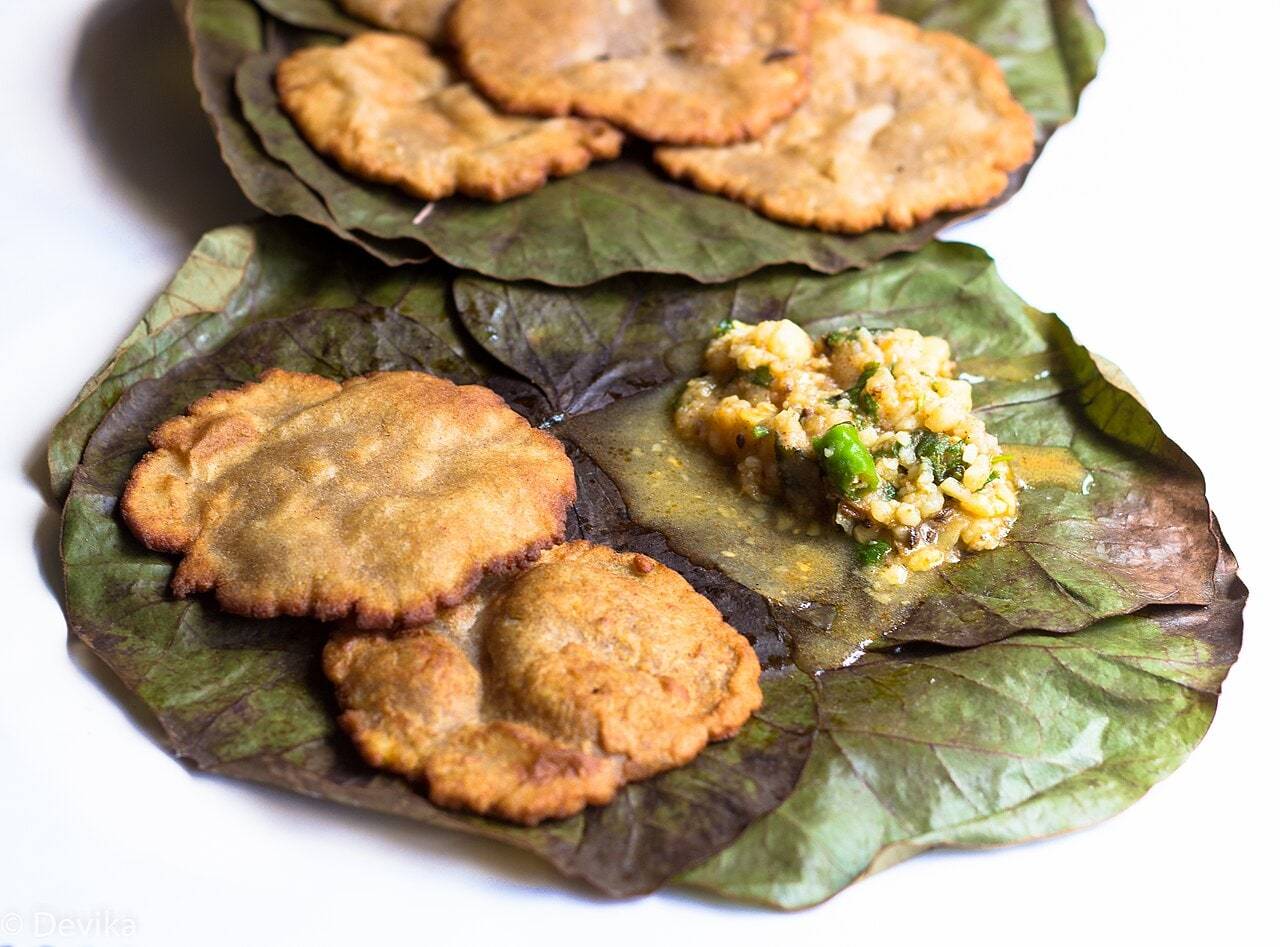
Water chestnut flour needs a little context before you buy it. The English name appears in Chinese cooking for a starch used in water chestnut cake, and in Indian cooking for singhare ka atta, a flour from a different plant.
Those are not interchangeable purchases merely because an English-language shelf label uses the same words.
For Chinese water chestnut cake
Recipes for ma tai go or water chestnut cake call for the appropriate water chestnut flour or starch, often labelled 馬蹄粉. Nancy's Nomss recipe identifies pure water chestnut flour for the characteristic set of the cake.
Use a recipe written for that product. Fresh chopped water chestnuts can be another ingredient in the dish; they do not replace the flour that establishes the structure.
For Indian singhara preparations
India's FSSAI standard identifies singhare ka atta as flour obtained from dried nuts of Trapa species. It is used in dishes such as singhare ki puri, where a recipe may combine it with ingredients such as potato to form the dough.
That is a different preparation from a Chinese steamed starch cake. Keep the recipe, plant ingredient and product name together when shopping.
A three-part shopping check
First identify the cuisine and named dish. Then look for the recipe's more specific ingredient name or characters. Finally, check the package ingredients and product photograph.
If the label is ambiguous, ask the supplier to confirm the product before cooking. Trying to resolve the distinction after adding water is considerably less convenient.
Can another flour replace it?
Choose a recipe that has been developed for the substitute. A replacement has to perform the required role—setting a cake or making a workable dough—not simply occupy the same measuring cup.
This is a useful example of why translating ingredient names sometimes requires an explanation, not just a dictionary.