Rice Flour vs Glutinous Rice Flour: What Changes in a Recipe?
Ordinary rice flour and glutinous rice flour are made from different types of rice.
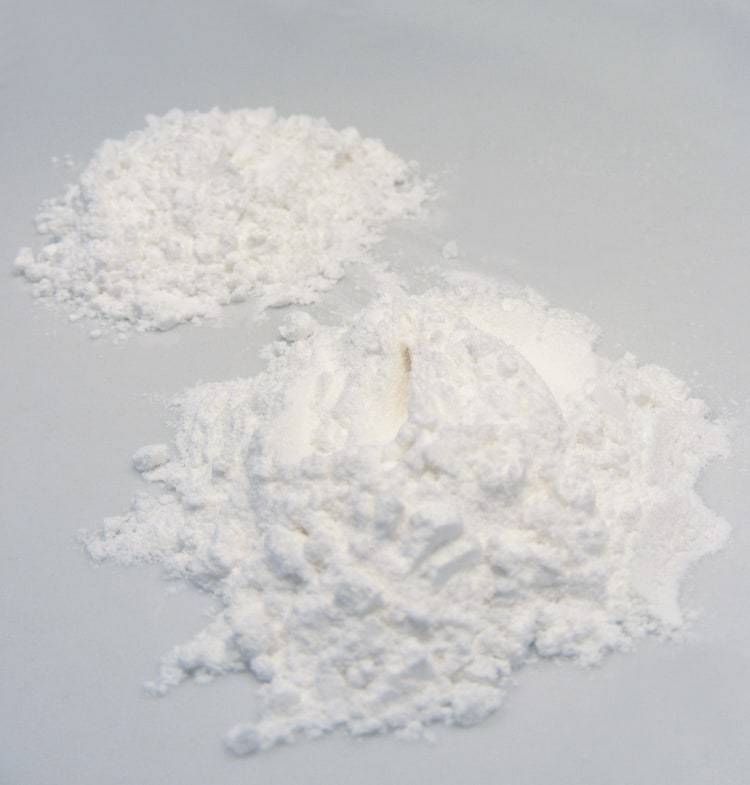
Ordinary rice flour and glutinous rice flour are made from different types of rice. Glutinous rice flour gives the sticky, chewy texture needed in many rice sweets; ordinary rice flour does not reproduce that texture in a direct swap.
“Glutinous” describes the sticky character of the rice, rather than added gluten. “Sweet rice flour” is another name for glutinous rice flour, and does not by itself mean the bag contains sugar.
Compare the bags before the recipe
| Product | Made from | Useful distinction |
|---|---|---|
| Ordinary rice flour | Non-glutinous rice | May be white or brown; particular recipes may need a specified grind or processing method |
| Glutinous or sweet rice flour | Sticky rice | Used where a cohesive, chewy rice dough is wanted |
| Mochiko | Glutinous rice | A Japanese flour category, also produced outside Japan |
| Shiratamako | Glutinous rice, processed by wet milling | Usually sold as granules that are worked into dough |
| Joshinko | Ordinary non-glutinous rice | A separate Japanese flour, not another name for mochiko |
There is more information in these names than the colour of the powder. Two white bags can be very different ingredients.
Why a mochi recipe needs the right flour
If a recipe calls for mochiko or shiratamako, ordinary rice flour is not a neutral replacement. It changes the dough that the method was designed to cook. The same warning applies in reverse: adding glutinous flour to an ordinary rice flour recipe may introduce a sticky texture the dish was not meant to have.
Choose the named flour for the first attempt. Once you know the intended result, a recipe offering an alternative can help you judge the trade-off.
Baking blends are a separate product
A gluten-free baking blend may combine rice flour with starches, other flours and a binder. For example, Bob's Red Mill's published ingredient list distinguishes its multi-ingredient 1-to-1 blend from individual flours.
A substitution instruction on a blend applies to that formulation. It does not establish that plain rice flour, or plain sweet rice flour, can replace all the wheat flour in an unrelated cake. Look for a cake recipe built around the flour you have, especially when flour supplies much of the structure.
Which should you buy?
- For a recipe naming ordinary white rice flour, buy that product rather than a sweet rice flour.
- For mochi or another chewy rice sweet, check which glutinous flour the method specifies.
- For Japanese dango, check whether the recipe uses one flour or a mixture. “Rice dumpling” is not a complete ingredient specification.
For dietary needs, check the finished product's allergen and gluten-free labelling. A flour's rice origin does not describe everything that may happen during manufacturing or packing.