Types of Korean Rice Cakes: A Practical Guide to Tteok
Korean rice cakes, or tteok, include chewy cooking cylinders, delicate filled sweets and steamed cakes.
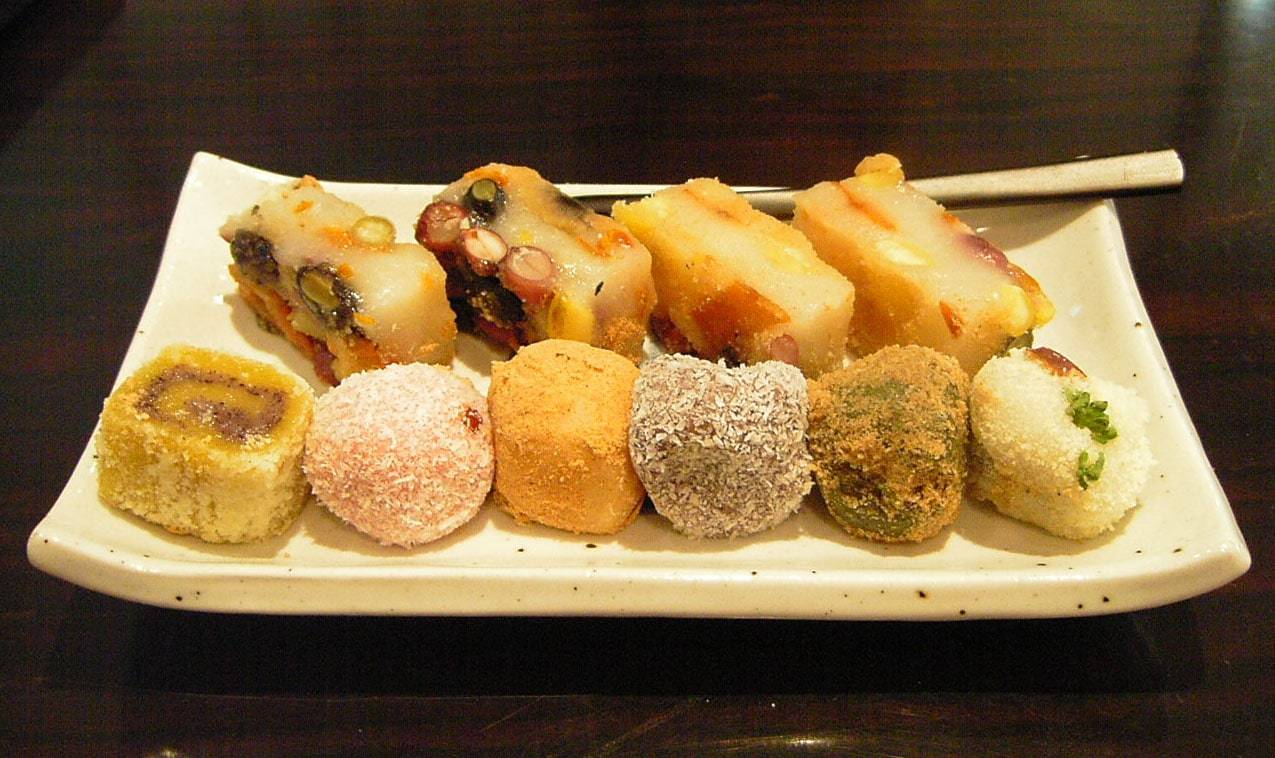
Korean rice cakes, or tteok, include chewy cooking cylinders, delicate filled sweets and steamed cakes. A packet suitable for tteokbokki is not an all-purpose substitute for every one of them. Start with the dish you want, then choose the rice cake's shape and type.
This is a guide to several useful starting points, rather than a claim to catalogue Korea's entire rice-cake tradition in one shopping basket.
Rice cakes for a savoury meal
Garaetteok is the long, cylindrical rice cake associated with tteokbokki and rice-cake soup. Maangchi's preparation uses ordinary short-grain rice flour, not glutinous rice flour. That distinction matters if you plan to make it from scratch.
Tteokbokki cylinders are convenient short pieces for a sauce-based dish. Tteokguk slices are thin oval discs used in rice-cake soup. Their different thickness means you should follow a method for the shape you buy rather than assuming the same cooking time.
Check packaged ingredients: a product sold for tteokbokki may be wheat-based rather than rice-based. The dish name alone does not establish the grain or allergen content.
Rice cakes to explore as sweets or snacks
| Name | What to recognise | A useful distinction |
|---|---|---|
| Injeolmi | Chewy rice cake often coated in roasted soybean powder | Made with glutinous rice; not a plain soup slice |
| Songpyeon | Filled half-moon rice cakes associated with Chuseok | Fillings vary, including sesame or beans |
| Baekseolgi | White steamed rice cake | A steamed cake rather than a cooking cylinder |
| Mujigaetteok | A layered, multicoloured steamed rice cake | Chosen as a finished cake, not a sauce ingredient |
Texture varies across these examples. “Rice cake” does not always mean the dense chew of tteokbokki, and it certainly does not mean the dry puffed-rice discs sold as snacks in many supermarkets.
A simple first purchase
For tteokbokki, buy a packet specifically intended for that dish and read its cooking instructions. For tteokguk, choose soup slices. For a tasting plate, ask a Korean bakery or rice-cake shop about the sweets it sells and their fillings.
Buy only what you can store as instructed. Fresh bakery rice cakes, refrigerated packets and frozen products should not inherit one another's storage advice. The prettiest assortment still needs the right home after the photograph.
Can you use them interchangeably?
You can experiment with shapes, but change cooking time to suit thickness and judge the centre. Do not put a filled sweet into a savoury rice-cake recipe merely because both are tteok.
See how to cook frozen Korean rice cakes for cooking cylinders and slices, or rice malt syrup for a traditional sweet accompaniment to plain rice cake.