Rice Malt Syrup: What It Is and How to Use It
Rice malt syrup is a thick sweetener made by converting rice starch into sugars, then concentrating the liquid.
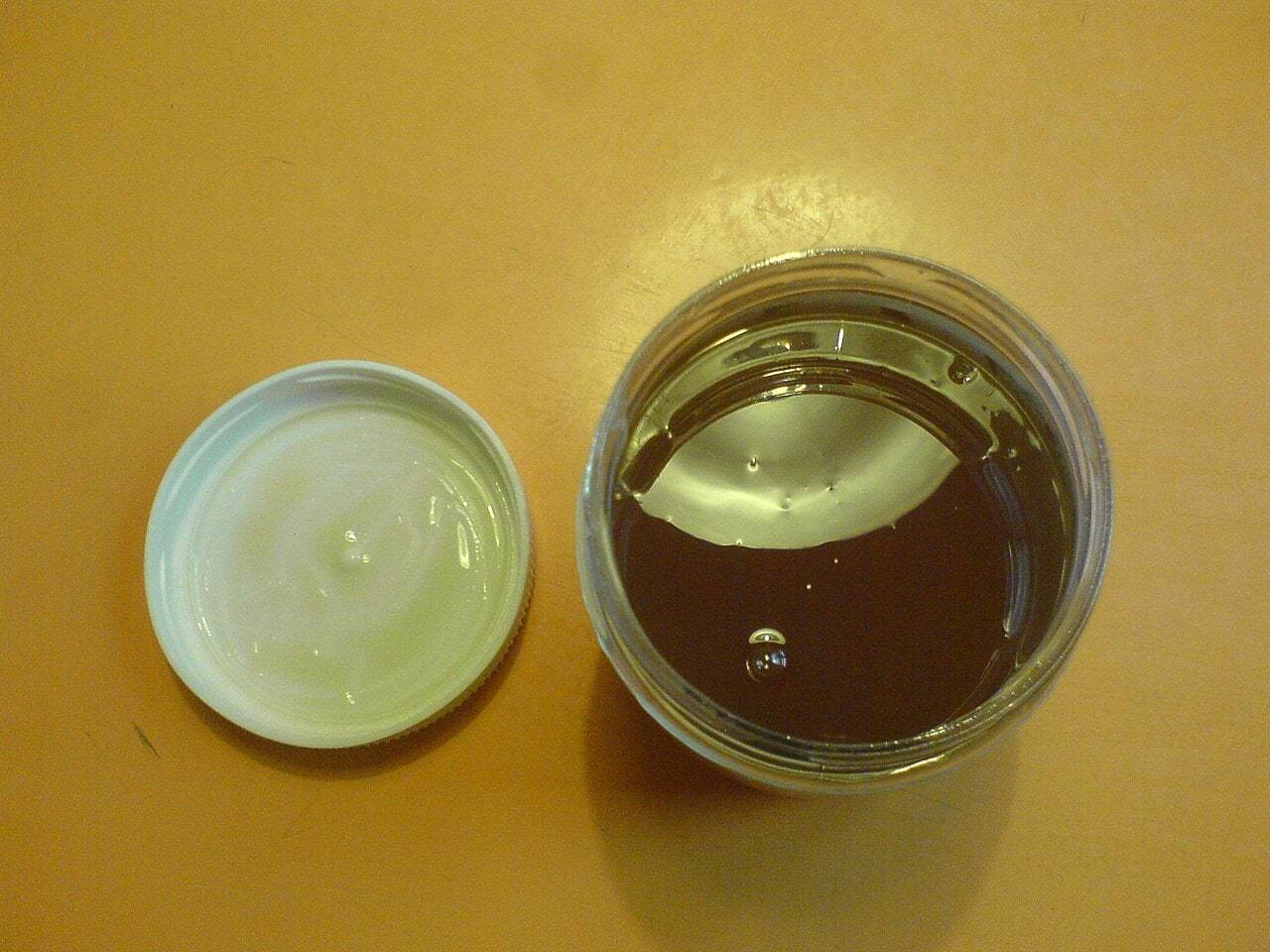
Rice malt syrup is a thick sweetener made by converting rice starch into sugars, then concentrating the liquid. In Korean cooking, ssal-jocheong is traditionally made with rice and barley malt. It brings sweetness and gloss to dishes, with a more grain-like flavour than plain white sugar.
The useful question is not whether a syrup sounds more “natural.” It is what your recipe needs it to do.
Names you may see
Rice syrup, brown rice syrup and rice malt syrup can appear on products in this general family. They do not guarantee identical ingredients, colour or consistency. For a Korean recipe naming ssal-jocheong, check that the product is intended for that use rather than buying any bottle with rice on the label.
Maangchi describes ssal-jocheong as thick and viscous, with an earthy, subtly grainy flavour. Her homemade method uses rice and barley malt powder: it is more involved than dissolving sugar in water.
Where it earns its place
| Use | What the syrup contributes | What to check |
|---|---|---|
| A glaze or seasoned side dish | Sweetness and a shiny coating | How much reduction the recipe expects |
| Korean sweets or nut candy | Sweetness plus the behaviour of a concentrated syrup | Use the named syrup and cooking endpoint |
| A dip for plain rice cake | Flavour and a thick coating | Taste it before adding other sweeteners |
If you only need a little sweetness in a savoury sauce, an alternative may be possible. If the syrup helps bind or set a confection, changing it is a larger recipe adjustment.
Can you use honey or sugar instead?
Maangchi lists them as possible alternatives while noting that they taste sweeter. Do not assume the same volume gives the same result. Follow a recipe's substitute guidance, particularly where thickness or setting matters.
For a forgiving sauce, add sweetener gradually and taste once it is dispersed. For candy, find a formula written for the syrup you have. A saucepan full of nuts is an expensive place to discover that sweetness was only one part of the job.
Is it gluten-free?
Do not infer that from the word rice. Traditional ssal-jocheong uses barley malt, and packaged rice syrups vary. If you need a gluten-free product, check the specific bottle's ingredients and appropriate labelling. A recipe's title cannot answer that question for every brand.
Store the opened product according to its label and keep the rim clean when pouring. If you are planning a dipping snack, our Korean rice cake guide helps distinguish plain cooking rice cakes from filled sweets.