Types of Indian Dal: A Guide to Common Pulses
Identify common dals by name and learn how their ingredients and cooking textures differ.
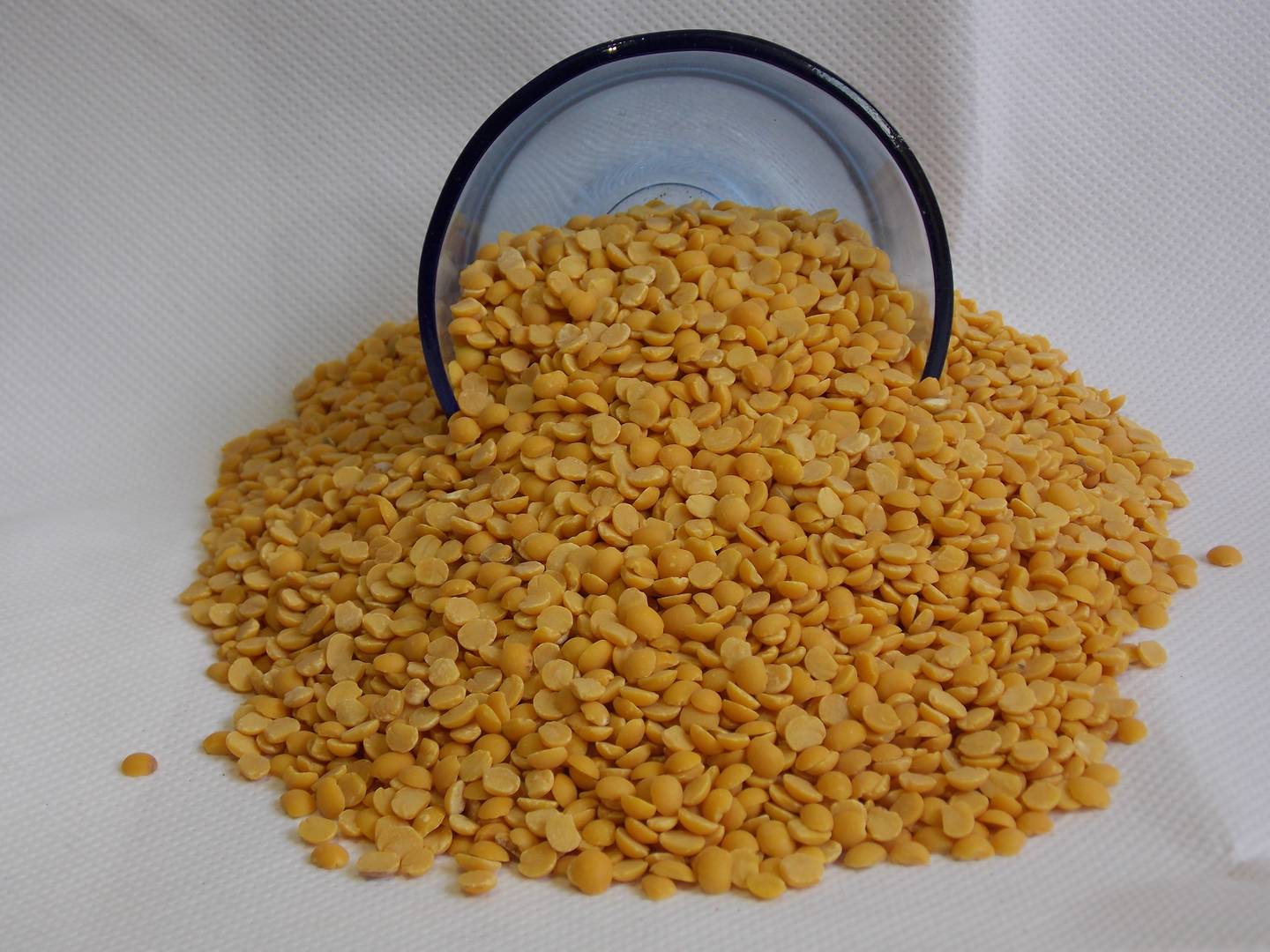
At an Indian grocery shop, dal can mean a split pulse; at the table, it can also mean a dish made from pulses. The word does not mean that every packet contains the same botanical lentil. Chickpeas, mung beans and pigeon peas all have a place in the dal family of the kitchen.
Here are useful names to get you started. Spellings, regional names and whether the skin is left on vary, so use the packet description and the recipe together.
| Name | What it commonly means | Useful clue |
|---|---|---|
| Masoor dal | Split red lentils | Often orange-red when dry; cooks soft |
| Moong dal | Split mung beans | Can be sold yellow and skinned or green with skin |
| Toor, tur or arhar dal | Split pigeon peas | Often cooked soft for dal and sambar |
| Chana dal | Split, skinned desi chickpeas | Yellow; can retain a distinct bite |
| Urad dal | Black gram, sold in several forms | Whole dark-skinned and split pale forms differ |
| Matar dal | Split dried peas | Yellow split peas are distinct from chana dal |
Which dal should I choose?
For a soft, quick-cooking soup or dal, split red lentils or yellow split mung are useful options. For a dish with more distinct pieces, a recipe using chana dal may be a good place to start. Toor dal is common in sambar. These are starting points: texture depends on the specific ingredient and cooking method.
If a recipe calls for urad dal in a fermented dosa batter, don't assume another pulse will behave identically. The ingredient can contribute to the batter's texture and fermentation, so use a recipe developed for any substitute.
Why are several dals yellow?
Removing a pulse's skin can reveal a yellow interior. Yellow split mung, chana dal, toor dal and yellow split peas are different ingredients despite their similar color. If a recipe only says “yellow dal,” look for a more specific name in the ingredient list or accompanying notes.
Can dals be swapped?
In a flexible stew, sometimes. Cook the substitute using its own directions and expect a change in texture and flavor. In a batter, sweet or dish relying on a particular bite, a recipe written for the substitute is more reliable. The labels may be small, but the differences can be deliciously consequential.