Pigeon Peas: What They Are and How to Use Them
Learn how pigeon peas are sold, how they taste and how to use whole peas or split toor dal.
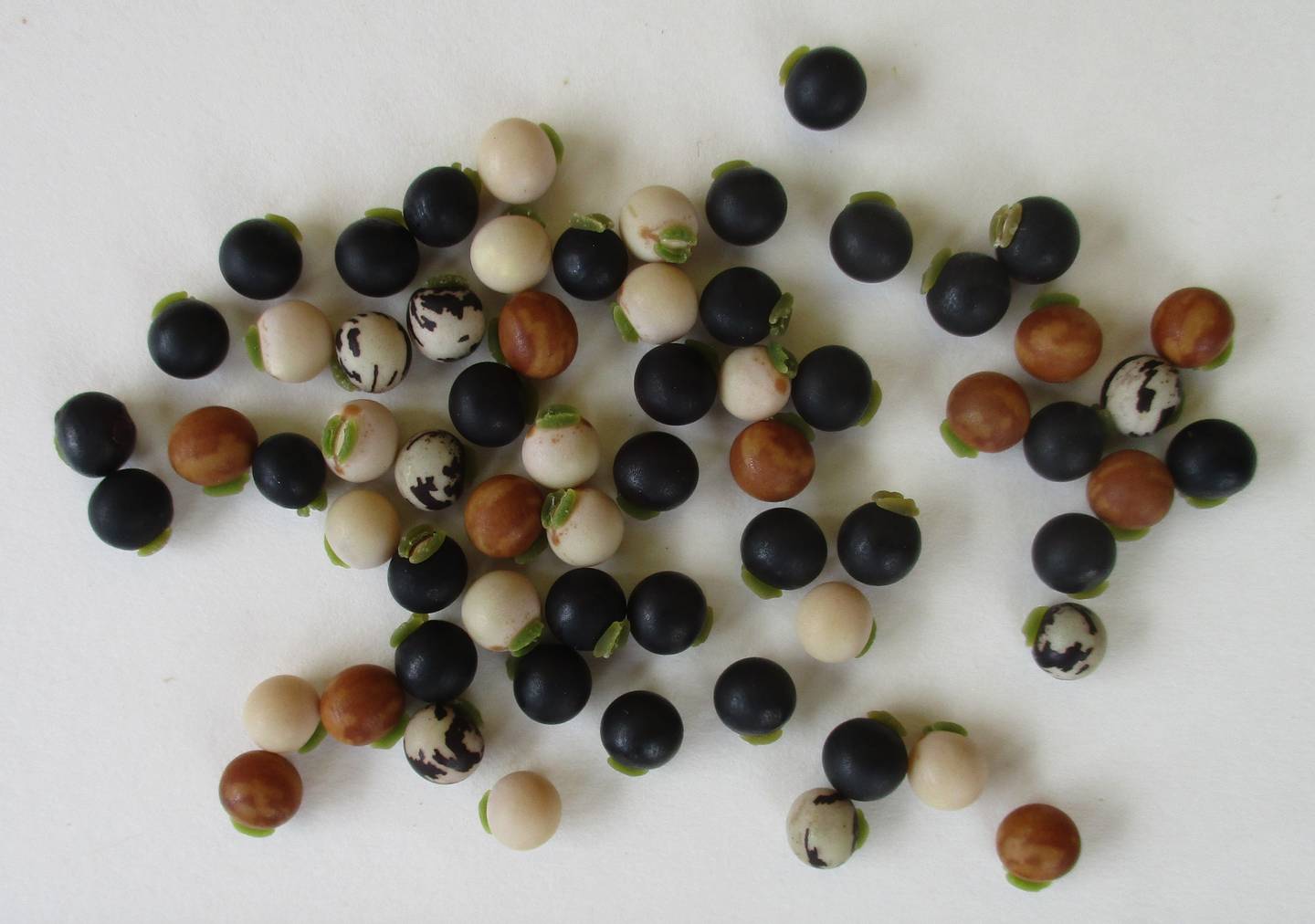
Pigeon peas are a small pulse used in dishes across the Caribbean, South Asia and many other regions. In parts of the Caribbean they are known as gungo peas; Spanish-language labels may say gandules or guandules. Split and skinned pigeon peas are commonly sold as toor dal or arhar dal.
The name is the easy part. The important shopping decision is whether you need whole peas—fresh, frozen, canned or dried—or the split form that cooks into a soft dal.
What do pigeon peas taste like?
Whole pigeon peas have a mild, earthy flavor and can remain distinct in rice and stews. Green and dried forms may differ in flavor and texture. Split toor dal is usually cooked until soft and mashed, creating a very different result from whole peas in a rice dish.
In Puerto Rican cooking, pigeon peas appear in arroz con gandules. In Jamaica and elsewhere in the Caribbean, gungo peas can be cooked with rice. In Indian kitchens, split pigeon peas are used for dals and sambar. These dishes are related by an ingredient, not by a single method.
How do you prepare them?
Canned: They are already cooked. Drain or use the liquid as your recipe directs, then warm them with the other ingredients.
Frozen or fresh: Follow the package or recipe for cooking; fresh peas need different timing from dried ones.
Dried whole: Sort, rinse and soak as directed, then cook in fresh water until tender. Check the package or a reliable recipe, since age and soaking change the time.
Split toor dal: Rinse and cook until soft, often until it can be mashed into a dal. It is not a direct substitute for whole pigeon peas when the recipe depends on separate peas.
Can you use black-eyed peas instead?
In a flexible rice dish, cooked black-eyed peas or another bean can provide a similar role, but the flavor and appearance will change. Use a quantity and cooking method appropriate to the replacement. In a soft dal, split mung or red lentils may be more practical, again with a different result.