Toor Dal: What Split Pigeon Peas Are and How to Use Them
Learn about toor dal, its flavor, preparation and uses in dishes such as sambar.
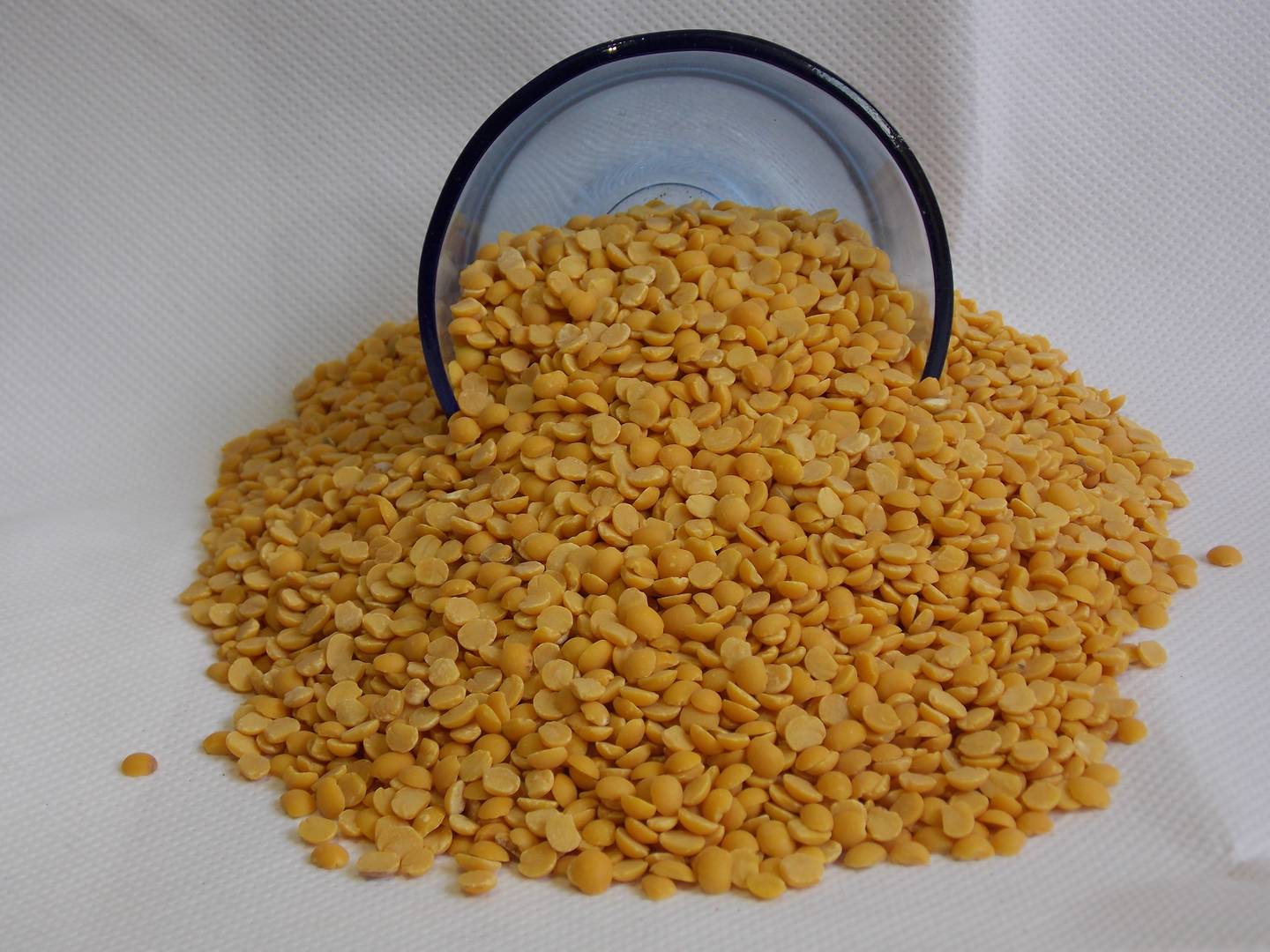
Toor dal is split pigeon pea, usually sold skinned and yellow. It is a staple in many Indian kitchens and may also be labeled tur dal, tuvar dal or arhar dal. Cooked until soft and seasoned, it makes a comforting dal to serve with rice or flatbread.
As with other dals, the word can name both the dry pulse and the dish made from it. A packet of toor dal is the starting point, not a ready-made bowl.
What is the difference between toor dal and whole pigeon peas?
Toor dal is usually the split, skinned form. Whole dried pigeon peas retain their shape and outer skin and need a different cooking method. You may also encounter fresh, frozen or canned pigeon peas; check which form your recipe expects.
The split pulse softens into a thick base when cooked for dal. Whole peas are useful when the dish calls for individual beans, such as a rice-and-peas preparation. They are related, but switching forms changes the timing and texture.
Toor dal versus chana dal
Both can be yellow, but toor comes from pigeon peas and chana dal from desi chickpeas. They have different flavors and don't always soften at the same rate. In a forgiving soup, one can be used in place of the other if cooked by its own instructions; in a dish built around a particular dal, expect the result to change.
How do you cook toor dal?
Sort and rinse it. Follow your packet or a reliable recipe for soaking, liquid and cooking time. To make a soft dal, simmer the pulse in water or use a pressure cooker until tender enough to mash. Add hot water if you want a looser consistency, then season with a tempering of spices and aromatics.
One pressure-cooker recipe uses 1 cup dry toor dal with 2 cups water, then adds more water to adjust the finished dal. A regular saucepan or a different brand may need more liquid and time. Keep an eye on the pan rather than letting it cook dry.
What dishes use it?
Toor dal is used in many regional dals and is a common pulse in sambar. The seasoning varies widely, from a simple cumin-and-garlic tempering to recipes with vegetables, tamarind and a spice blend. Serve with rice, or alongside roti and a vegetable dish.