Toor Dal vs Chana Dal: What Is the Difference?
Compare split pigeon peas and split chickpeas, their textures and how to substitute them.
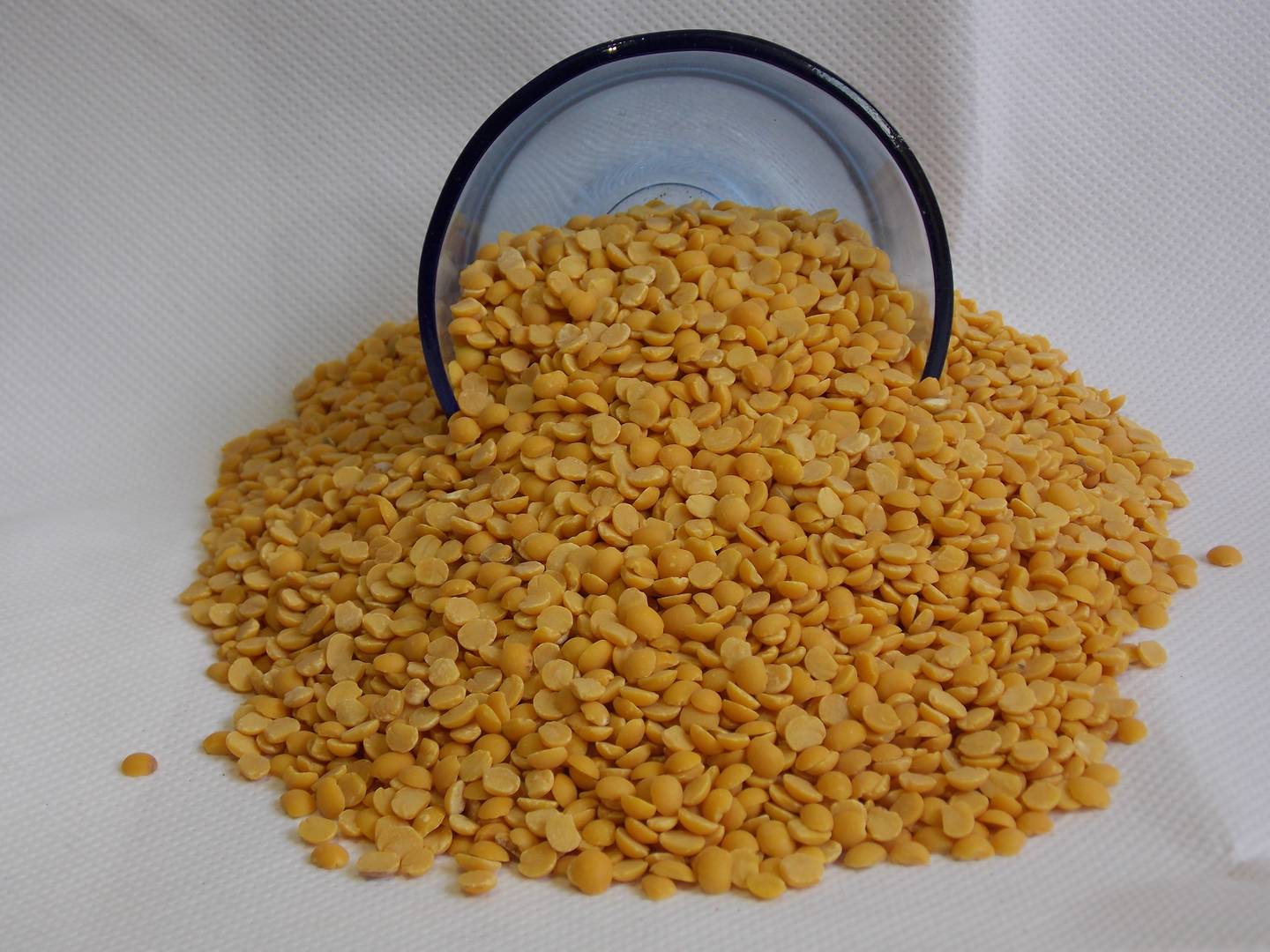
Toor dal is split pigeon pea; chana dal is split desi chickpea. They are both yellow pulses used in South Asian cooking, but they are not the same ingredient. Toor is often cooked until soft enough to blend into dal or sambar, while chana dal can keep a more distinct bite.
| Toor dal | Chana dal | |
|---|---|---|
| Also called | Tur, tuvar or arhar dal | Split Bengal gram |
| Comes from | Pigeon pea | Desi chickpea |
| Typical use | Soft dal and sambar | Dal, vegetable dishes and sweets |
| When cooked | Often creamy and soft | Can remain more distinct |
These are tendencies rather than rules: soaking, cooking time and the recipe shape the final texture. Both can be cooked softer or firmer to suit the dish.
Can I use chana dal instead of toor dal?
In an adaptable dal, you can, but the result will be different. Use a reliable cooking method for chana dal rather than relying on the toor dal timing, and give it time to become fully tender. If you want a smooth sambar, chana dal's texture and flavor will change the finished dish.
The reverse swap can work in a flexible lentil-style stew, but toor may not give the same distinct pieces in a dish designed around chana dal's firmer bite. Neither swap is a reliable one-for-one replacement in a batter or a recipe that uses a small amount of dry dal in hot oil.
Is either one yellow split pea?
Toor is a split pigeon pea; ordinary yellow split peas are a different pulse. Chana dal is a chickpea. Store labels and informal names vary, so look for the more specific name on the package.