Thai Glutinous Rice: Choosing and Preparing Sticky Rice
Thai glutinous rice is the rice used for the cohesive, chewy portions served with dishes such as grilled chicken, laab and papaya salad.
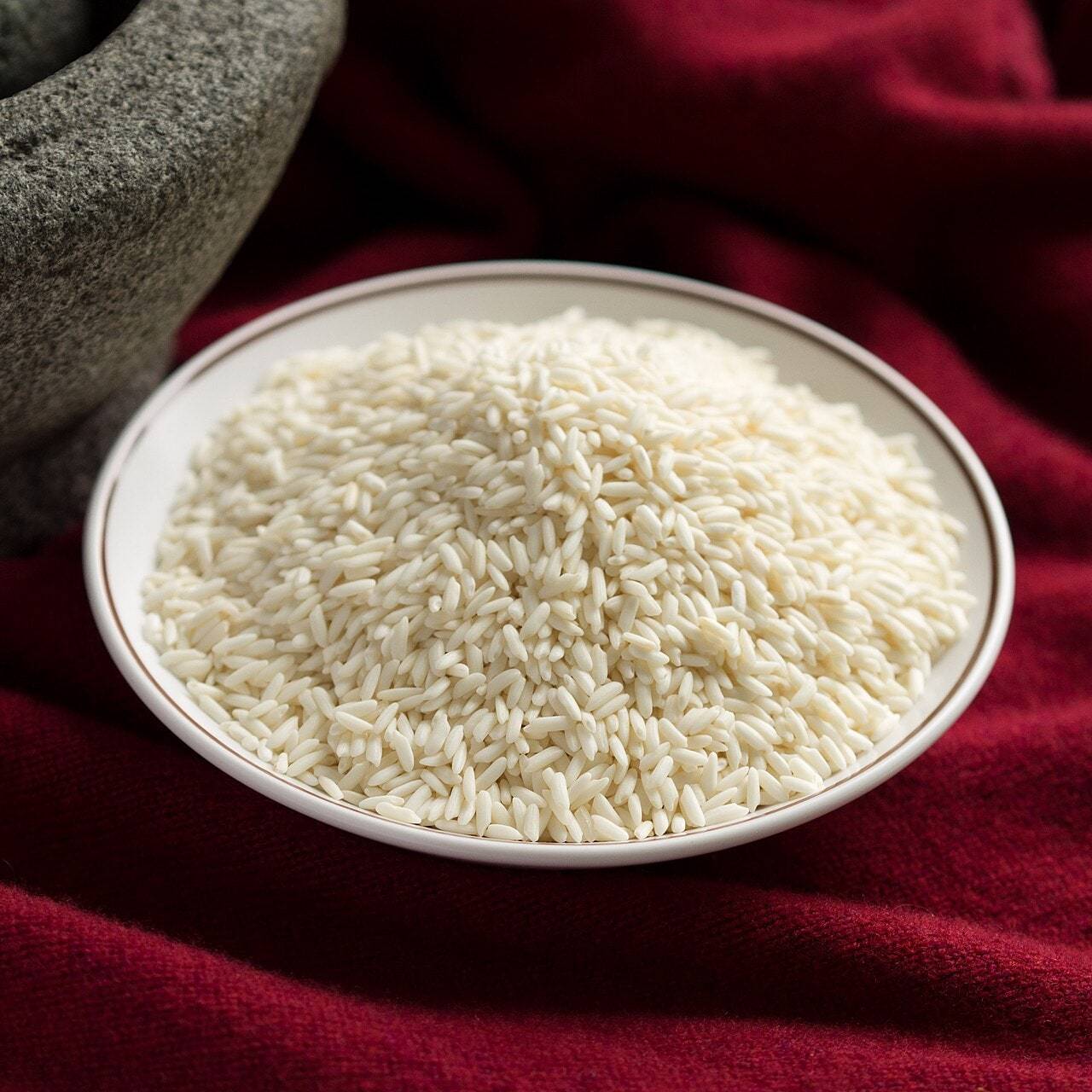
Thai glutinous rice is the rice used for the cohesive, chewy portions served with dishes such as grilled chicken, laab and papaya salad. It is also the starting point for mango sticky rice. On English-language packets, look for Thai sticky rice, sweet rice or glutinous rice.
This is an ingredient choice, not a cooking accident. A pan of jasmine rice made overly wet is not a substitute for the right grain.
What to look for
For white Thai sticky rice, look for opaque, long grains and check the country and product description. Do not assume Japanese short-grain table rice or a dark rice will follow the same preparation.
Soak, drain and steam
A traditional approach is to soak the rice, drain it and steam it above boiling water. The grain receives moisture during soaking and then cooks in steam rather than sitting in a measured pot of water.
Temple of Thai describes a cold-water soak of at least four hours or overnight, followed by roughly 30 minutes of steaming. Pailin Chongchitnant offers a separate hot-soak method: washed rice receives boiling water for 20 minutes, is rinsed and drained, then steamed for 25–30 minutes.
Choose one method and follow its complete instructions. The shorter hot soak is not simply permission to shorten a cold soak. Use suitable heatproof equipment and keep any steaming cloth clear of the heat source.
How to judge the result
Check grains from the middle of the batch as well as the outside. They should be cooked through, without a hard, opaque centre. Keep finished rice covered for serving so it does not dry out.
For a coconut dessert, follow a recipe written for that dish; the sweet coconut mixture is a further preparation, not a replacement for cooking the rice correctly.