Riceberry Rice: What the Purple Thai Grain Is and How to Cook It
Riceberry is a Thai rice variety with a deep purple outer layer.
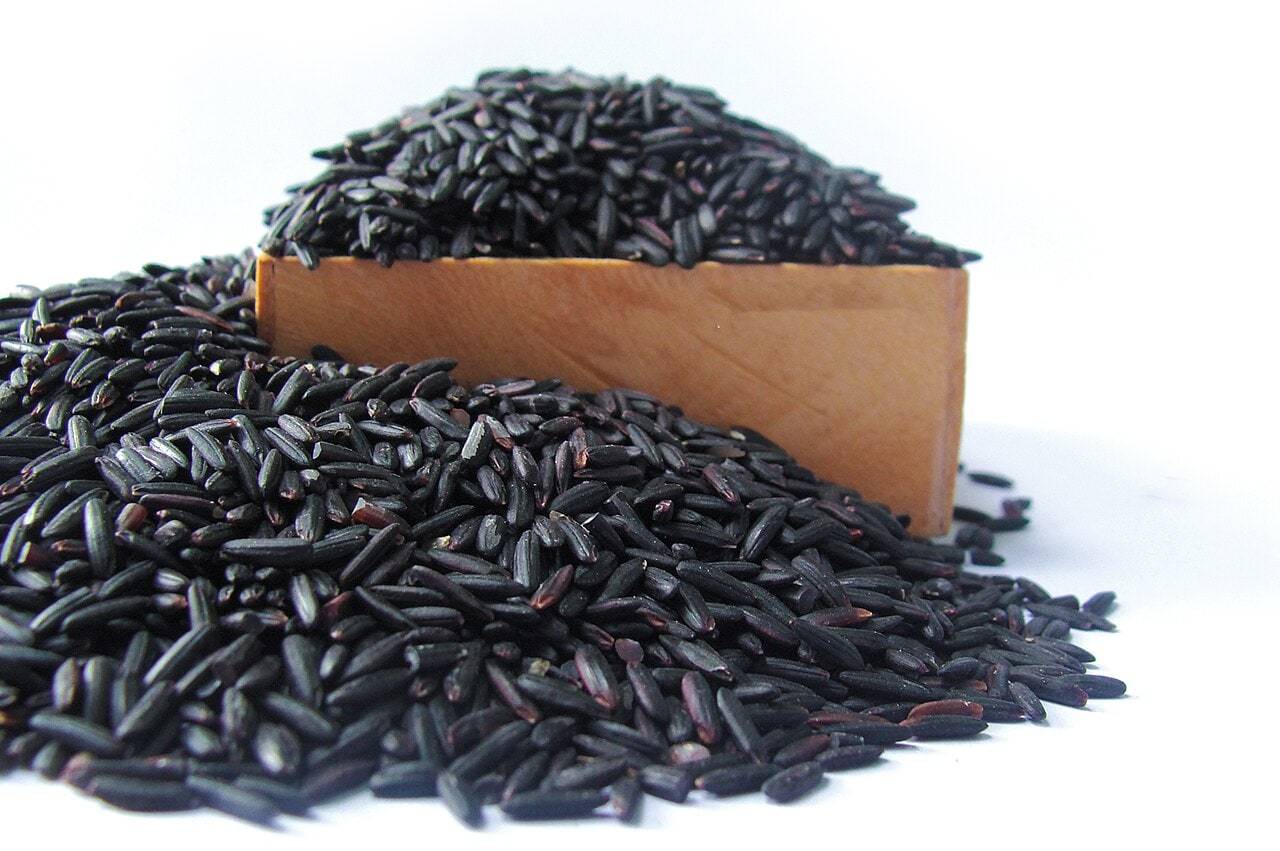
Riceberry is a Thai rice variety with a deep purple outer layer. It was developed through a cross involving Jao Hom Nin and Khao Dawk Mali 105, the aromatic rice associated with Thai Hom Mali. It is rice, despite a name that sounds ready for the fruit bowl.
The useful distinction in the kitchen is that Riceberry is not black glutinous rice. Do not buy one for a recipe specifying the other simply because both look dark through the packet.
How it behaves in a meal
Riceberry is commonly sold with its coloured bran intact. It provides a more substantial grain than polished white rice and makes a useful base for vegetables, a curry or a rice bowl. Start by serving it fairly plainly so you can judge the texture you prefer.
It can also be cooked with white rice, but a mixed batch needs a method that accounts for the different grains. Tossing two handfuls into a pot does not guarantee that they will finish together.
A source-based cooking starting point
Pailin Chongchitnant's Riceberry guide uses 1 part rice to 1½ parts water by volume. She recommends letting the rice soak in its measured cooking water for about an hour before cooking to encourage a tender, even result.
Treat this as one published method. If the packet specifies another ratio or a particular cooker setting, follow that complete method instead. Check the centre of the grains for tenderness; a dry pan alone does not show that the grain has finished cooking.
Buying the right product
Look for Riceberry in the name and check whether the bag contains a single rice or a blend. A blend may have its own water and timing instructions. The ingredients list is more useful here than a dramatic photograph of purple rice.
For leftovers, see our rice cooling and storage guide.