Jasmine Rice: Its Texture, Uses and How to Choose a Cooking Method
Jasmine rice is an aromatic long-grain rice with a floral fragrance and a tender, lightly cohesive cooked texture.
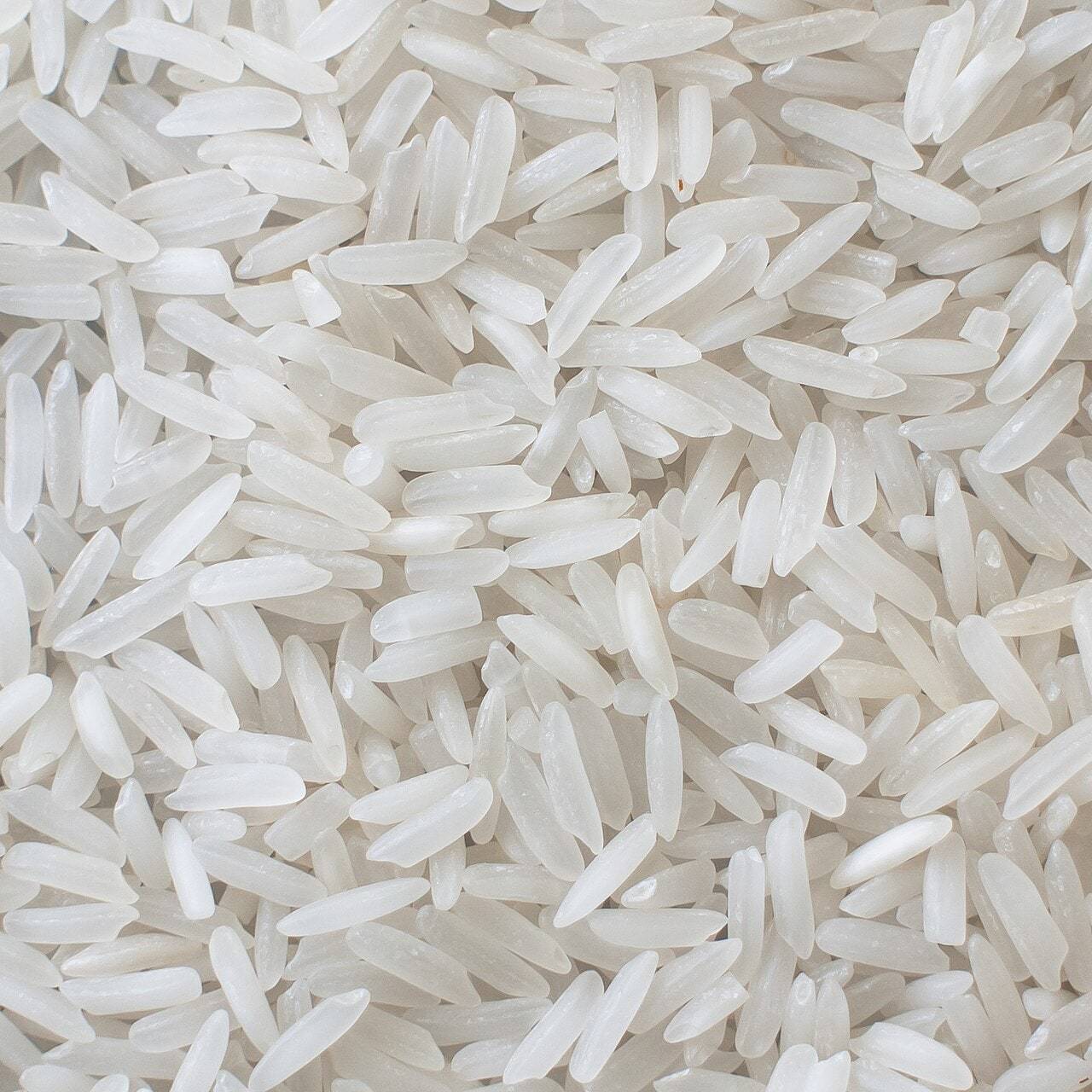
Jasmine rice is an aromatic long-grain rice with a floral fragrance and a tender, lightly cohesive cooked texture. Think of grains that happily lean on one another, rather than the separate, drier-looking grains sought in some basmati dishes.
A plain bowl gives a fragrant curry or stir-fry somewhere useful to land without adding another competing seasoning.
Jasmine rice is not Thai glutinous rice
Both can look sticky after cooking, but that does not make them the same ingredient. A recipe specifying Thai sticky or glutinous rice needs that product. Cooking jasmine with extra water will not turn it into the rice used for a traditional steamed sticky-rice preparation.
Likewise, brown jasmine needs directions for its wholegrain form. The name describes the rice, not a universal timer.
Why cooking instructions differ
Water measurement, pan shape, quantity and the particular rice all matter. The familiar fingertip water rule is not a calibrated measurement: a wide pan and a small batch can give a different result from a larger batch in a straight-sided pot.
Choose one complete method and keep its measurements together. Check whether “cup” means a standard measuring cup or the smaller cup supplied with a rice cooker. For a cooker, follow its instructions and the markings intended for the rice you are using.
Approaching a new bag
Read the product's directions, measure consistently and give the rice its prescribed rest before fluffing. Note the result before changing the next batch. Adjusting water, heat and resting time simultaneously makes it hard to know what helped.
Tilda's jasmine guide includes absorption and open-pan methods. Treat them as alternatives, rather than borrowing a water amount from one and a cooking time from the other.
For leftovers, use our guide to cooling and storing cooked rice.