Steel-Cut Oats: What They Are and How to Use Them
Learn what steel-cut oats are, how they cook and how they differ from rolled oats.
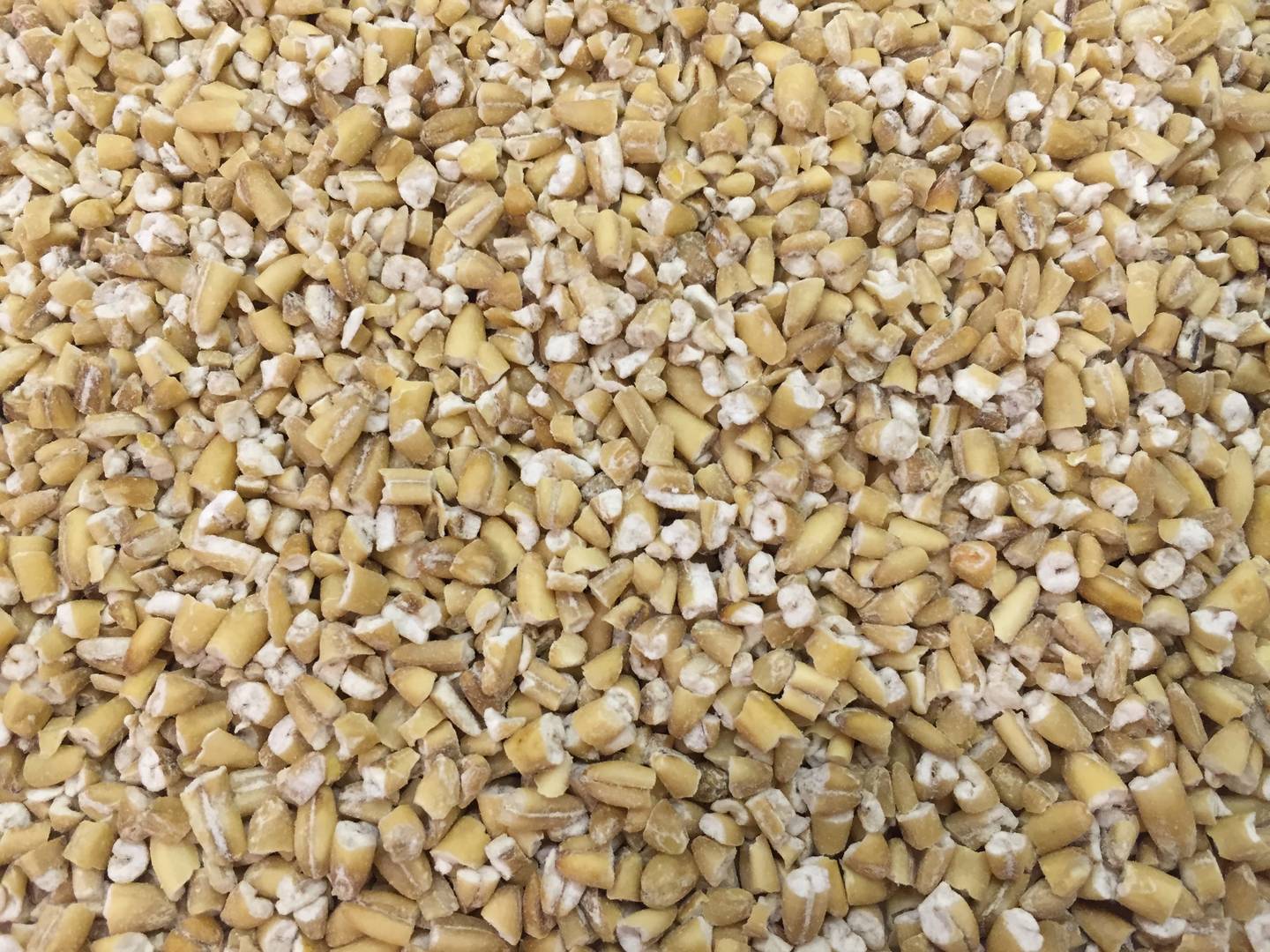
Steel-cut oats are oat groats cut into small pieces. They make a hearty, chewy porridge and generally take longer to cook than rolled oats. If you like breakfast with a little bite, they're worth making room for in the cupboard—and on the clock.
You may see them sold as Irish oats. They are different from regular rolled oats, which are steamed and flattened into flakes.
What do steel-cut oats taste like?
They have a mild, nutty oat flavor and a more pronounced chew than a typical bowl of rolled oatmeal. You can cook them softer or firmer to suit your taste. They work with fruit and cinnamon, but also with savory toppings such as mushrooms, greens or an egg.
How to cook steel-cut oats
For a stovetop starting point, the Whole Grains Council suggests 1 cup steel-cut oats to 4 cups water, simmered for about 30 minutes. Check your package: quick-cooking steel-cut products and different brands can require a different amount of liquid or time.
- Bring the water to a boil and stir in the oats.
- Reduce the heat to a gentle simmer and cook, stirring occasionally, until tender.
- Taste and adjust the texture. Add a little liquid for a looser porridge, or simmer a little longer if you prefer it thicker.
Make a smaller quantity using the same starting proportions, and add toppings after cooking. A pinch of salt can be useful even when the bowl is destined for fruit.
Can you replace rolled oats with steel-cut oats?
Not automatically. Steel-cut pieces need more time and liquid, and stay much chewier. In a porridge, prepare them using their own instructions. In cookies, overnight oats or a crumble, look for a recipe developed for steel-cut oats rather than making a direct swap.
Regular steel-cut oats are whole grain: cutting the groat changes its size, not the fact that its bran, germ and endosperm remain. Plain quick-cooking steel-cut oats are also cut oat groats, but always check the ingredients if you're avoiding added sugar or flavorings.
Are they gluten-free?
Oats themselves do not contain gluten, but contact with gluten-containing grains is possible. People who need gluten-free food should choose oats labeled for that need; some people with coeliac disease also need individual medical advice about tolerating oats.