Wheat Berries: What They Are and How to Use Them
Get to know wheat berries, their chewy texture, preparation and uses in grain salads and soups.
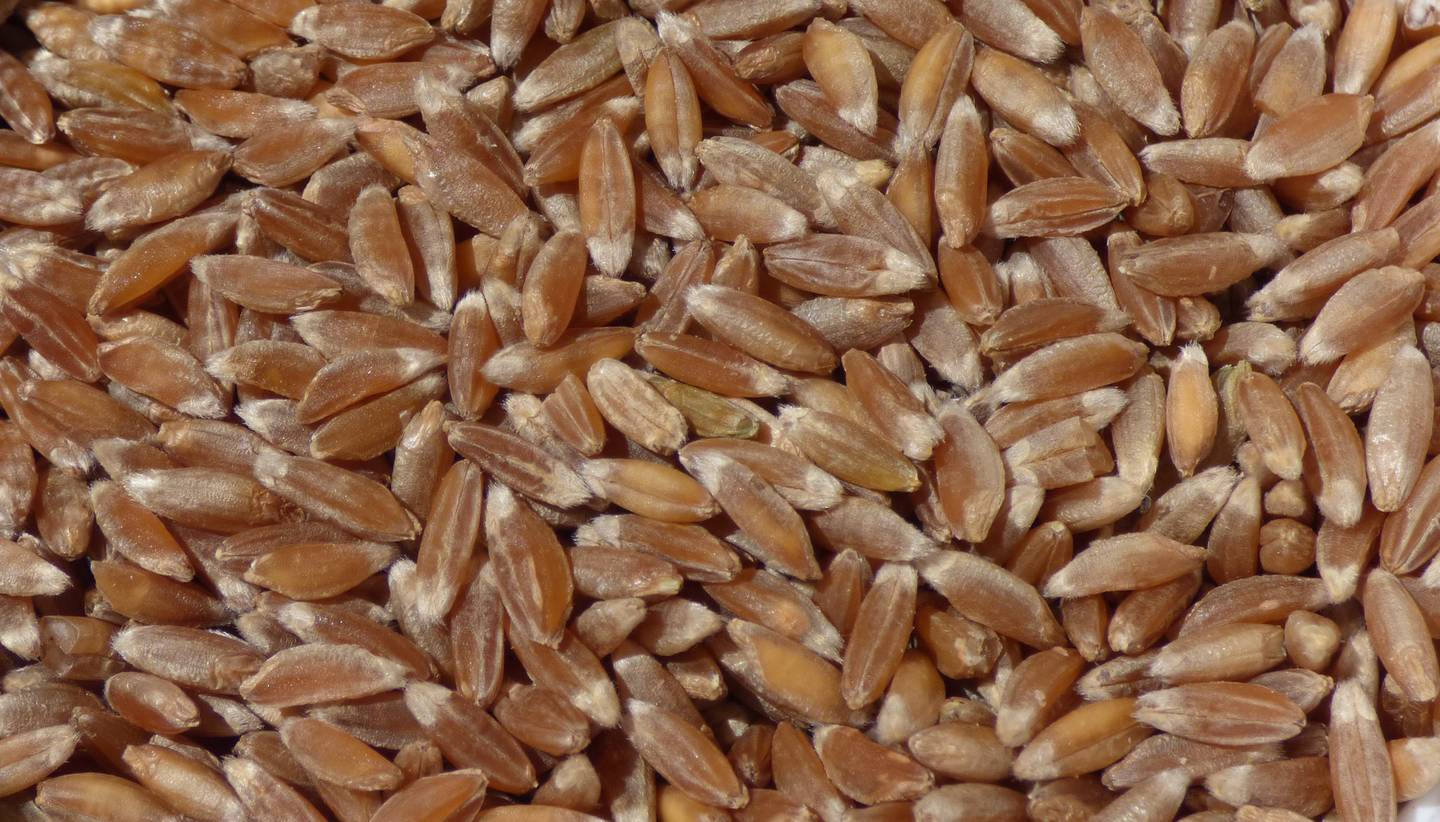
Wheat berries are whole wheat kernels, sold with their bran, germ and endosperm intact. Despite the name, they don't belong in a fruit salad by default—though their chewy bite can be lovely with fruit and yogurt. More often, you'll find them in grain salads, soups and warm side dishes.
What do wheat berries taste like?
They have a nutty, wheaty flavor and a firm chew when cooked until tender. Their texture is the point: unlike a soft pot of porridge, properly cooked wheat berries remain distinct. They should not, however, be hard in the middle. Taste a few, since grains in the same pan can soften at slightly different rates.
Which kind should you buy?
Wheat berries can come from different wheat varieties. Labels may say red or white and hard or soft. Red wheat tends to have a stronger flavor than white wheat, according to the Whole Grains Council; white wheat is not necessarily refined wheat.
Spelt and khorasan are wheat varieties whose whole kernels can also be cooked as berries. A recipe simply calling for wheat berries may have been developed with a different variety from the one in your cupboard, so use the packet as your first guide to cooking.
How to cook wheat berries
The Whole Grains Council suggests soaking wheat berries overnight, then simmering 1 cup of the soaked grain in 4 cups of water for approximately 45–60 minutes. This is a starting point, not a universal timer: grain variety and age make a difference. Follow the product's instructions if they differ.
- Sort through the dry grain and rinse it. Soak as your package directs; drain before cooking.
- Bring the grain and fresh water to a boil, then lower the heat to a gentle simmer.
- Begin tasting before the suggested time is up. Continue until the berries are tender through the center but retain a chew.
- Drain excess water. Let the berries cool before combining with salad greens or a chilled dressing.
Where do they work best?
Their sturdy texture makes them useful in make-ahead grain salads, or as a base for roasted vegetables and a spoonful of sauce. Add cooked berries to soup when you want a distinct bite. They also work warm at breakfast with milk or a plant-based alternative, fruit and cinnamon.
If a recipe calls for a quick-cooking, soft grain, wheat berries will change both timing and texture. Cook them separately first instead of expecting them to behave like couscous.
Are wheat berries gluten-free?
No. They are wheat and contain gluten. This also applies to whole kernels of spelt and khorasan wheat; they are not suitable for a gluten-free diet.