Rolled Oats: What They Are and How to Use Them
Learn what rolled oats are, how they differ from other oat forms and how to use them in the kitchen.
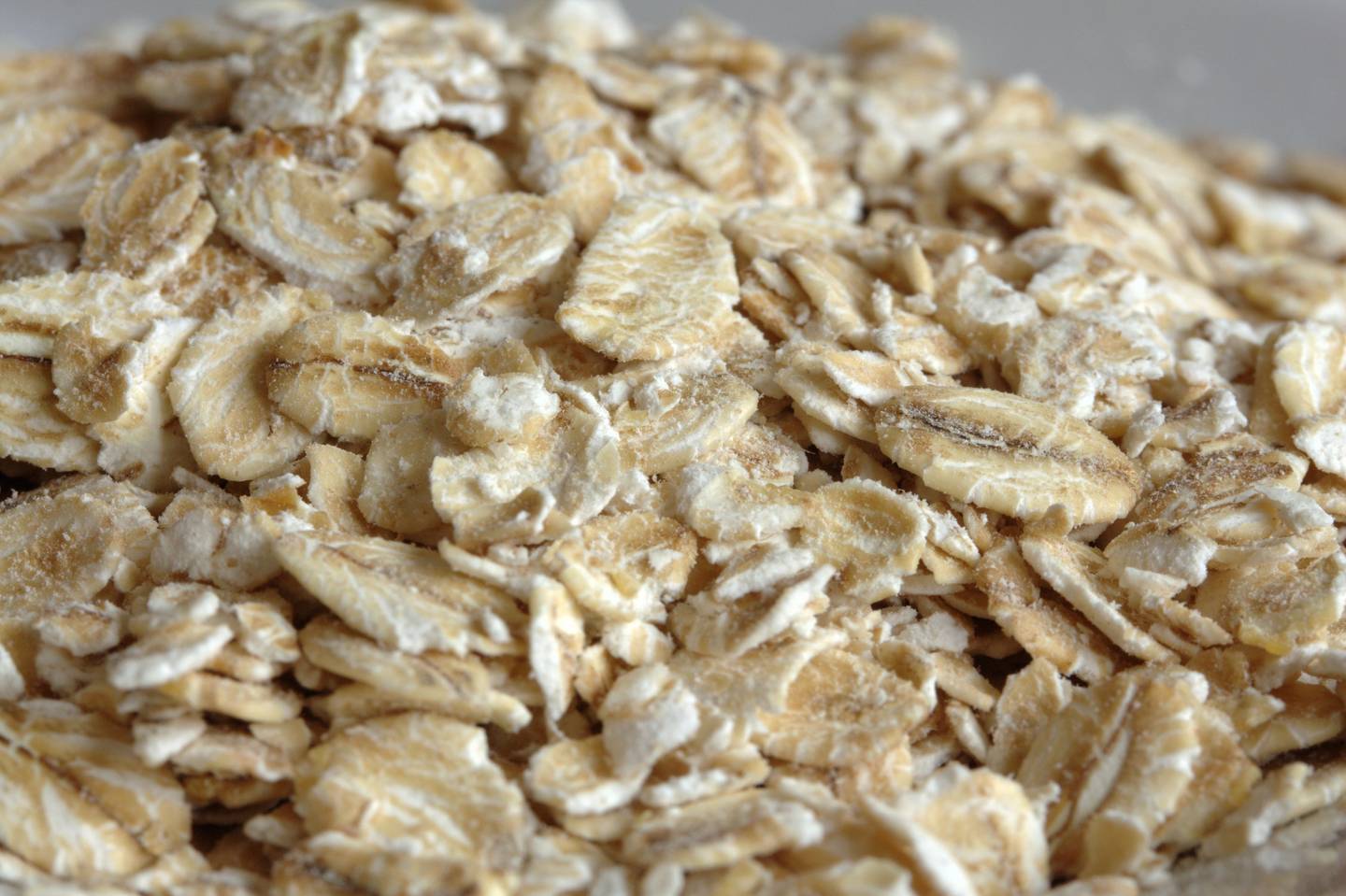
Rolled oats are oat groats that have been steamed and flattened into flakes. They cook relatively quickly, make a familiar bowl of oatmeal and are useful far beyond breakfast: think granola, cookies, muffins and crumbles.
You'll also see regular rolled oats called old-fashioned oats, especially in North America. A package may simply say “porridge oats” elsewhere, so check the size of the flakes and the cooking directions if a recipe needs a particular texture.
Rolled oats versus quick oats
Both are rolled oat products. Quick oats are generally rolled thinner and/or steamed longer, so they soften more rapidly. Regular rolled oats keep more texture in a bowl and are often preferred when a baked recipe calls for distinct flakes.
The two can sometimes be swapped, but expect a change: quick oats may make the finished dish softer. Instant flavored packets can also contain sugar, milk powder or other additions, so they are not a straightforward substitute for plain oats.
Rolled oats versus steel-cut oats
Steel-cut oats are groats cut into pieces rather than flattened into flakes. They take longer to cook and make a chewier porridge. If you replace rolled oats with steel-cut in a cookie or overnight-oats recipe, the result won't simply be a slightly different flake—the liquid and preparation need to change too.
How to cook rolled oats
For regular rolled oats, the Whole Grains Council suggests a starting ratio of 1 cup oats to 2 cups water, cooked for about 10 minutes. Use a smaller portion if you like and follow your packet; thickness and processing vary. Stir as they simmer and add a little more liquid if you prefer a looser bowl.
Milk or a suitable plant-based drink can add richness. Finish with fruit, nuts or seeds, or go savory with cooked greens and an egg. Oats are quite relaxed about the company they keep.
Are rolled oats whole grain?
Plain rolled oats retain the oat kernel's bran, germ and endosperm, even though the groats are flattened. Processing a grain into flakes does not by itself mean its whole-grain parts have been removed.
Oats are naturally free of gluten, but can come into contact with wheat, barley or rye during growing and processing. If you must avoid gluten, choose oats specifically labeled gluten-free and follow your clinician's advice about whether oats are appropriate for you.