Sorghum Grain: What It Is and How to Cook It
Explore sorghum grain, its texture and practical ways to cook and serve it.
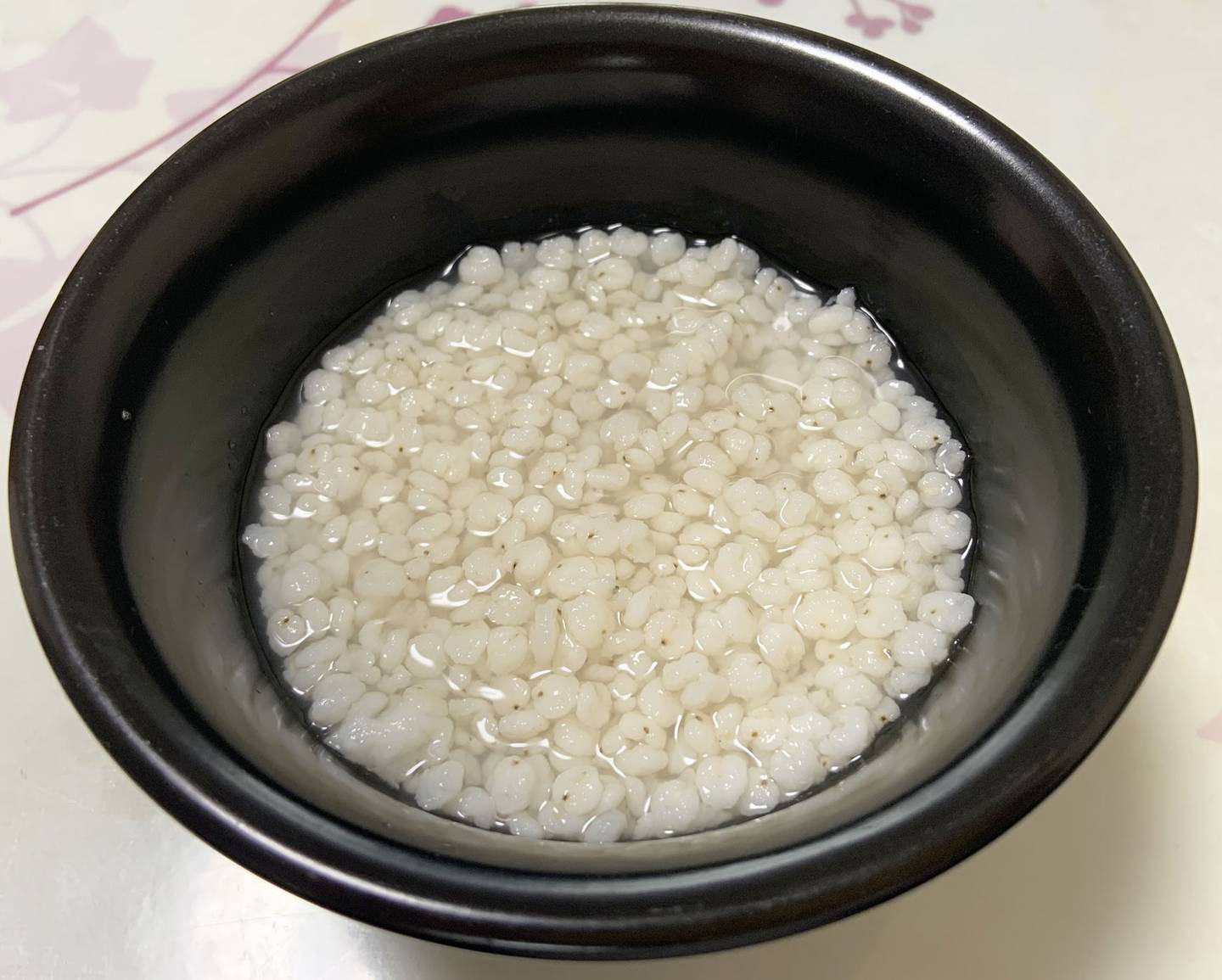
Sorghum is a cereal grain used in cuisines across Africa and Asia and grown in many other parts of the world. You can buy it as whole grain, flour or other processed products. As a cooked grain, it has a pleasant chew and makes a sturdy base for salads and bowls.
It is known as jowar in India. Look carefully at the package: whole sorghum grain and sorghum flour have different jobs in the kitchen, even though they start with the same crop.
What does sorghum taste like?
Cooked sorghum has a mild, grainy flavor and a rounded bite. It works with strong dressings, roasted vegetables, beans and herbs without competing for attention. Its texture stays more distinct than tiny grains such as teff, which soften into a porridge.
Sorghum also comes in different colors and processed forms. For the whole grain, look for a package that specifies whole sorghum; pearled products have been processed differently and may cook on a different schedule.
How to cook whole sorghum
The Whole Grains Council suggests 1 cup sorghum to 4 cups water, simmered for 25–40 minutes, as a general starting point. Some products take longer. The grain's age, variety and processing matter, so check the packet first and taste for tenderness rather than relying on the timer alone.
- Rinse the grain and add it to a saucepan with the water.
- Bring to a boil, lower the heat and simmer until the centers are tender. Add more water if needed.
- Drain excess water. For a salad, cool the cooked sorghum before mixing it with tender greens and dressing.
If your packet recommends soaking or a different method, follow those directions. Do not expect flour or a pearled, quick-cooking product to behave like whole kernels.
Can you pop sorghum?
Yes. Whole sorghum can be popped in a covered pan, much like popcorn, producing small puffs. The Whole Grains Council's popped-sorghum recipe recommends shaking the pan to reduce burning. Use a pan with a lid and keep an eye on the heat; the result is much smaller than a bowl of popcorn.
Is sorghum gluten-free?
Sorghum itself is naturally gluten-free. If you need gluten-free food, choose products labeled suitable for your needs and check blends or flour mixes for other ingredients and possible cross-contact.
What can replace it?
For a grain salad, cooked quinoa is a quicker alternative with a smaller, softer bite. Wheat berries or farro can provide a more substantial chew, but both contain gluten and need their own cooking instructions. Pick the substitute for the finished texture and dietary needs, not just because it fits in the same bowl.