Fonio: What It Is and How to Use This Small West African Grain
Get to know fonio, a West African grain, including its texture, preparation and ways to serve it.
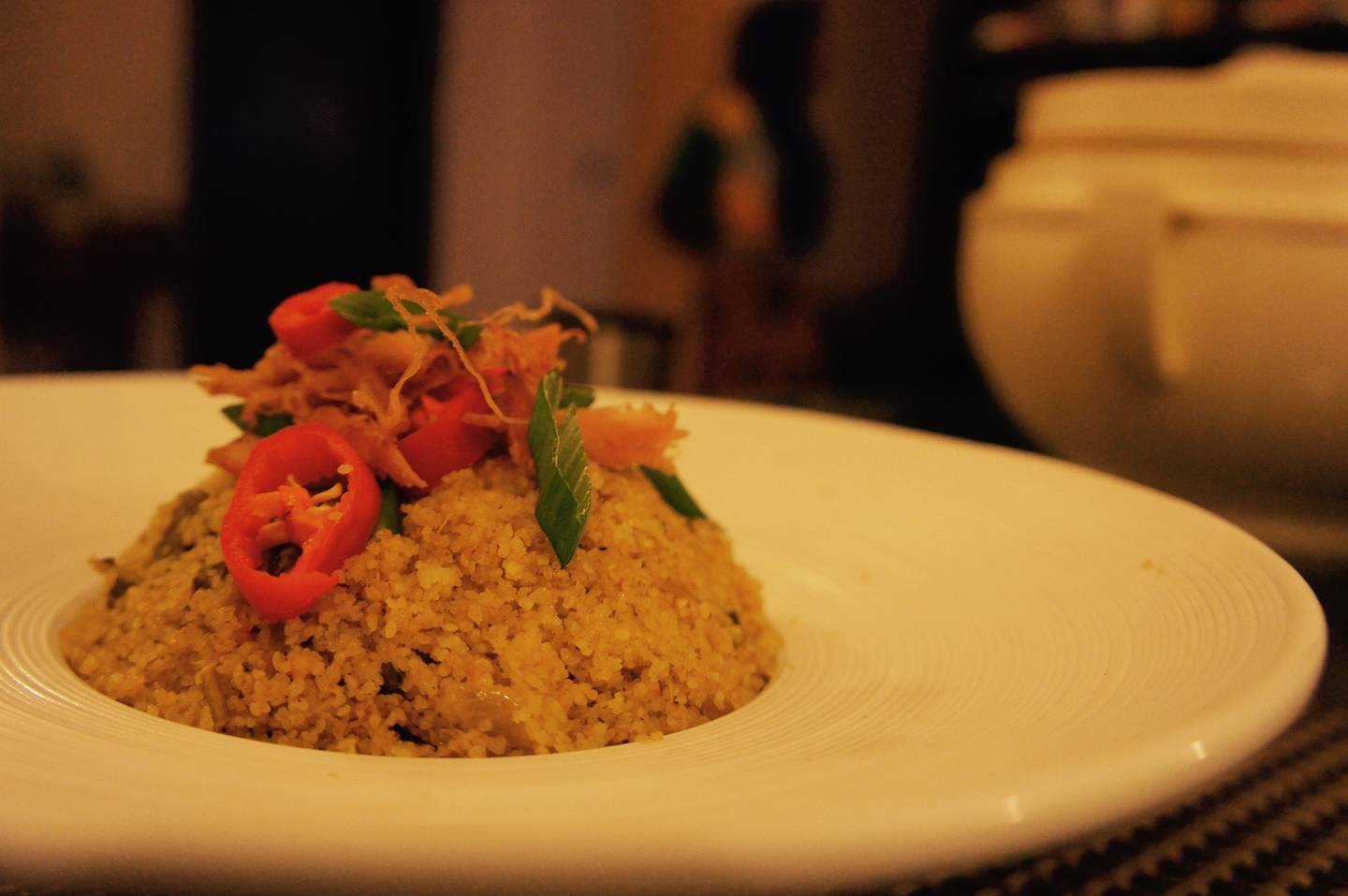
Fonio is a tiny cereal grain with deep roots in West African food traditions. When prepared with a light hand, it can be fluffy enough for a side dish or salad; with more liquid, it can become a soft porridge. Its small size makes it especially good at catching sauces.
You may see white fonio called acha in Nigeria or findi in The Gambia. Names and local preparations vary across the region. Fonio is a familiar food to many West African cooks, even if it's a new discovery in your kitchen.
What does fonio taste like?
Fonio has a mild grain flavor that works with vegetables, stews and spices. Its appeal is as much about texture as taste: the individual grains are very small, giving a properly prepared dish a delicate, light feel.
In Guinea, researchers have documented fonio that is steamed and served with sauce, among other methods. Ready-to-cook packages may use a quicker method, so check what you bought before choosing your instructions.
How do you cook fonio?
Follow the packet, since products can be processed differently. For its quick-cooking fonio, producer Yolélé suggests a starting ratio of 2 parts water to 1 part fonio by volume: bring to a boil, cover, turn off the heat and rest for five minutes, then fluff with a fork. Other packages can specify different proportions or steps.
For a fluffy result, measure the liquid rather than guessing, keep the pan covered during the rest and fluff gently. If the grain seems dry, the producer suggests adding a spoonful of water and warming briefly; if too wet, cook a little longer. Use more liquid when making a porridge rather than a separate-grain side.
Fonio versus couscous
Fonio is a cereal grain. The small couscous most commonly found in shops is made from durum wheat semolina and is a pasta product. They can play similar roles alongside a stew, but their flavor, processing and cooking instructions differ. Wheat couscous contains gluten; fonio itself does not.
Ways to serve it
- Spoon a vegetable or meat stew over cooked fonio.
- Let it cool, then toss with herbs, chopped vegetables and a dressing for a salad.
- Make a warm breakfast with additional liquid and fruit or nuts.
- Serve it as a simple side when you want something to absorb a flavorful sauce.
If you require gluten-free food, choose a fonio product labeled suitable for your needs and check flavored mixes for other ingredients.