Buckwheat Groats: What They Are, How to Cook Them and Where Kasha Fits
Learn what buckwheat groats are, how roasted and unroasted groats differ, and how to prepare them.
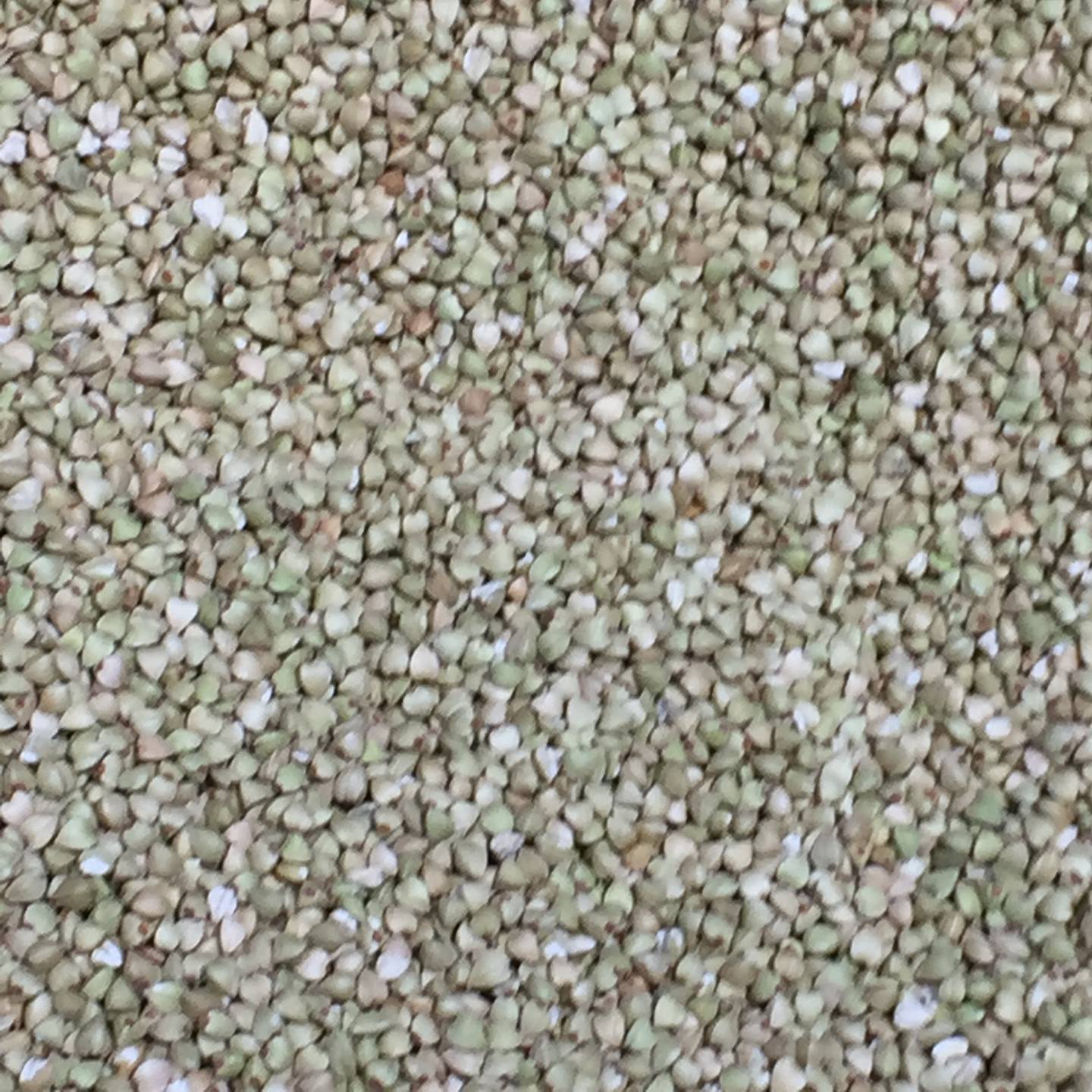
Buckwheat groats are buckwheat seeds with the tough outer hull removed. They have a distinctive, earthy flavor and can be cooked as a side dish, added to soup or turned into porridge. Despite the name, buckwheat is not wheat.
At the shop, you may find pale, unroasted groats and darker roasted groats. That distinction has a bigger effect on flavor than the name on the shelf might suggest.
Raw or roasted buckwheat groats?
Pale groats have not been roasted and taste milder. Roasted buckwheat groats are darker and have a more pronounced, toasty flavor. In English-language shops, the roasted form is often called kasha.
The word kasha can also mean porridge more broadly in Eastern European food traditions, so context matters. If a recipe calls for kasha and you're unsure what to buy, look at the recipe's description or photograph and check whether it specifies roasted buckwheat.
What do buckwheat groats taste like?
Expect an earthy, nutty taste, stronger in the roasted version. The little angular groats can be tender while retaining some texture, though excess liquid or overcooking can make them soft. They pair well with mushrooms and onions in savory dishes, and with fruit or spices in porridge.
How to cook buckwheat groats
The Whole Grains Council offers a general starting point of 1 cup buckwheat to 2 cups water, simmered for around 20 minutes. Follow the packet for your particular product: roasted, unroasted and broken groats can behave differently.
Bring the water and groats to a boil, lower the heat and simmer. Begin checking before the suggested time ends. For a side dish, stop when tender but still pleasantly textured; for porridge, cook to the softer consistency you prefer. Drain any excess water if necessary.
Try cooked groats with sautéed mushrooms, or add a spoonful to soup. For breakfast, use milk or a suitable alternative and add fruit after cooking.
Are buckwheat groats gluten-free?
Buckwheat itself contains no gluten and is not a variety of wheat. It can, however, be mixed with wheat or exposed to it during processing. If you need to avoid gluten, choose a product labeled suitable for that purpose and check blends and prepared foods carefully.
Can quinoa replace buckwheat?
Quinoa can stand in for cooked buckwheat in a grain bowl or salad, but it is milder and has a different bite. It will not reproduce the deeper toasted flavor of roasted buckwheat. Cook the quinoa by its own instructions instead of assuming it needs the same time or liquid.