Amaranth Grain: What It Is and How to Cook the Tiny Seeds
Learn how to cook amaranth grain and use its tiny seeds in porridge, baking and other dishes.
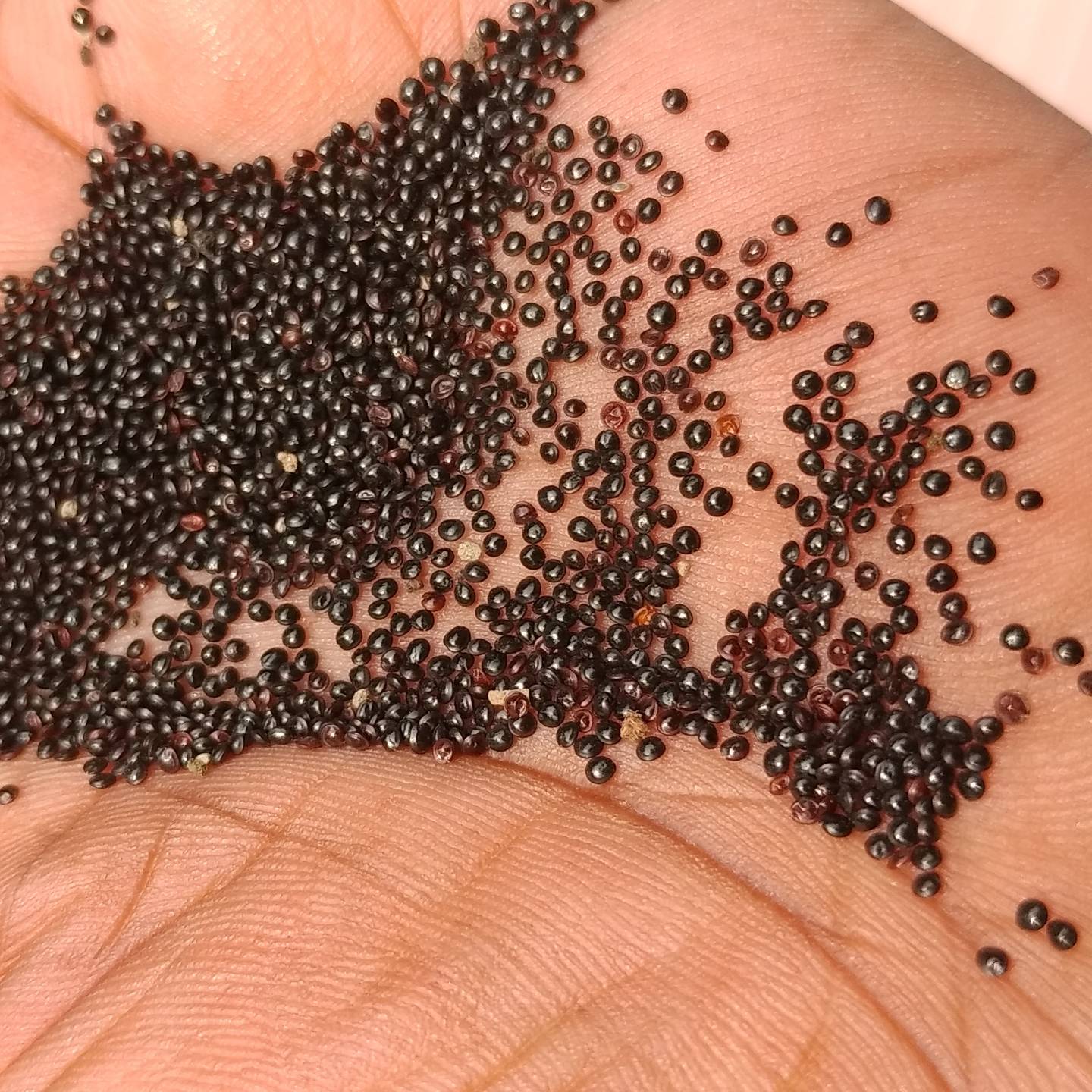
Amaranth grain is a tiny edible seed with a grassy, slightly peppery flavor. When simmered, it becomes creamy rather than fluffy, making it a natural fit for porridge and soups. If you came looking for separate, rice-like grains, this little seed has other plans.
Although cooked like a grain, amaranth is a pseudocereal: botanically it is not a cereal grass. It has a long history in the Americas and is enjoyed in a range of dishes, from soft porridges to the Mexican sweet alegría, made with popped amaranth.
What does amaranth taste and feel like?
The Whole Grains Council describes its flavor as peppery with a sweet, grassy aroma. The seeds are exceptionally small, and cooked amaranth has a soft, thick texture with little seeds still noticeable throughout.
That texture is useful if you want to thicken a stew or make a spoonable breakfast. It is less useful if the recipe calls for fluffy, separate grains in a pilaf or salad. Quinoa is a closer fit for that particular job, although its flavor and cooking behavior differ.
How to cook amaranth
For a basic starting point, the Whole Grains Council suggests 1 cup dry amaranth to 2 cups water, brought to a boil and simmered for 15–20 minutes. Follow the package if it gives different directions, and adjust the liquid to suit the result you want. A porridge recipe may use more liquid and a longer cooking time than this basic method.
- Add the amaranth and water to a saucepan and bring to a boil.
- Lower the heat and simmer, stirring occasionally so the small grains don't catch on the bottom.
- Check for tenderness and add a little more liquid if needed. Serve soft and spoonable.
For breakfast, add milk or a plant-based alternative, cinnamon and fruit. For a savory bowl, use broth and finish with vegetables or herbs. You can also stir cooked amaranth into a soup when a thicker texture is welcome.
Can you pop amaranth?
Yes. Amaranth can be popped, although its tiny seeds make much smaller pops than popcorn. Popped amaranth is used in alegría and can add crunch as a topping. Follow a recipe for the popping method: the seeds are small enough to scorch quickly.
Is amaranth gluten-free?
Amaranth itself is naturally gluten-free. If you need to avoid gluten because of coeliac disease or another medical reason, choose a product labeled suitable for your needs; processing and packaging can introduce contact with other grains.