Raw Rice Flour vs Roasted Rice Flour: Which Does Your Dish Need?
Roasted rice flour has had a heating step that plain raw rice flour has not.
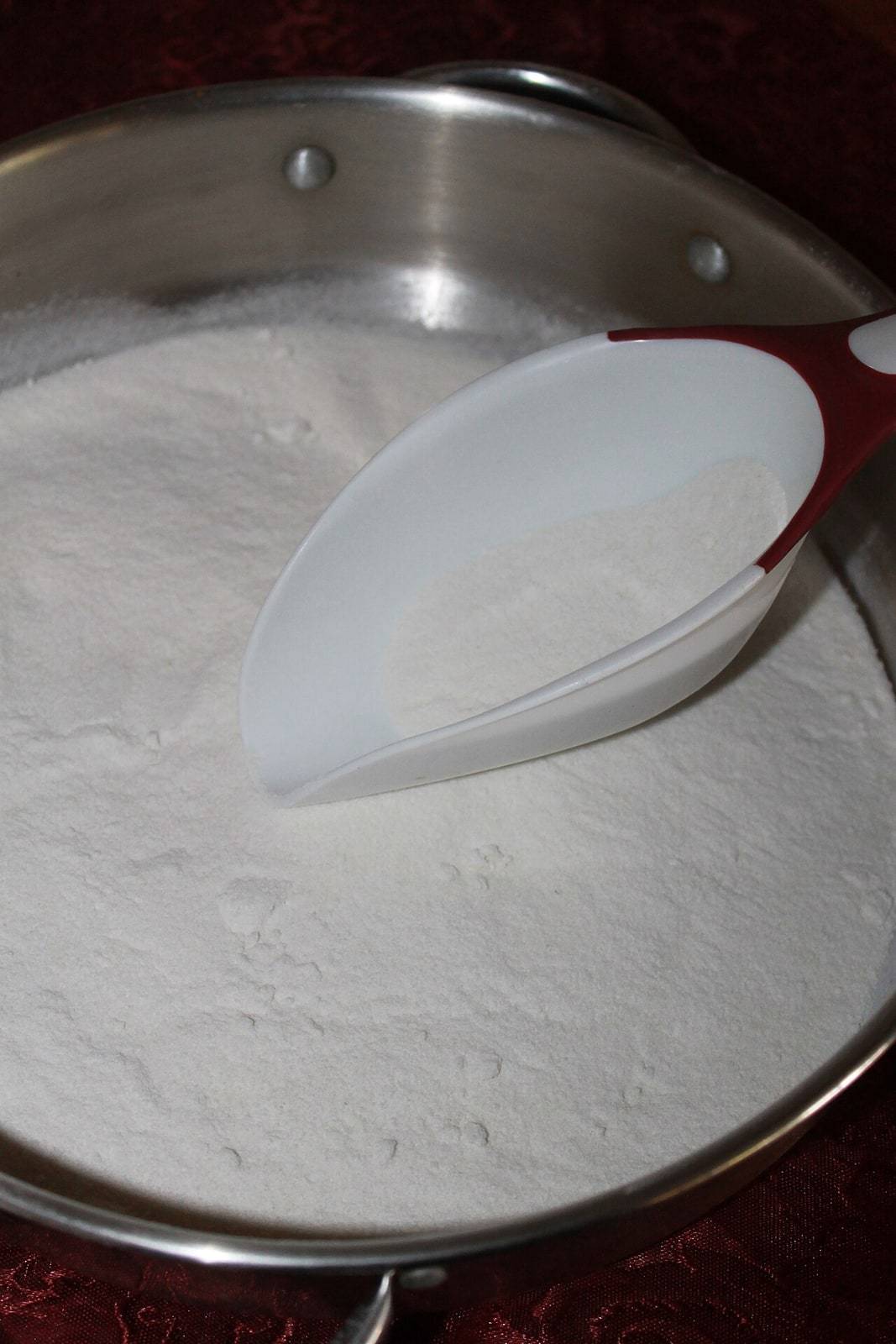
Roasted rice flour has had a heating step that plain raw rice flour has not. For a recipe naming roasted flour, check whether the author expects you to roast it yourself or buy a prepared product. For idiyappam or pathiri, a bag labelled for the dish can be a more useful choice than an unspecified rice flour.
There is no universal cooking rule attached to “rice flour.” Rice type, grind and processing all matter.
Three products worth keeping apart
| Product | What to look for | What it does not tell you |
|---|---|---|
| Plain raw rice flour | Rice type, grind and the recipe's preparation steps | Whether the recipe includes a later roasting stage |
| Roasted rice flour for a named dish | Instructions for that product and dish | That every other roasted flour has the same grind or water requirement |
| Thai toasted rice powder, khao khua | A coarser toasted-rice condiment | That it is a direct substitute for fine flour in a dough |
Roasted flour need not be dark brown. In some preparations the aim is to heat the flour while keeping it pale. A dark, strongly toasted powder is a different starting point from a fine pale flour prepared for string hoppers.
Why the distinction matters for idiyappam
Idiyappam dough has to pass through a press into fine strands before steaming. A flour prepared for that method and a suitable water balance help the dough do its job. Suguna Vinodh's published idiyappam method begins with roasting the rice flour and gives guidance for judging that stage.
If your bought flour is already prepared for idiyappam, use its instructions rather than adding a second roasting stage automatically. Equally, if a recipe starts with raw flour and includes roasting, do not omit the step simply because your bag contains rice.
Can you roast plain flour at home?
Yes, when a reliable recipe for the intended dish gives that method. Use its heat level and endpoint, stir to prevent uneven heating, and avoid substituting “until brown” for more specific instructions. A changed roast changes the ingredient you are adding water to.
Do not use roasting as a way to rescue flour with an off smell, mould or signs of infestation. Processing a questionable ingredient is not the same as preparing a sound one for a recipe.
What to buy for a first attempt
Choose the dish first. Then buy the flour the recipe names and keep the preparation directions. A plain rice flour can be useful, but a prepared puttu flour, idiyappam flour and Thai toasted rice powder should not be treated as three decorative names for the same jar.
And check ordinary versus glutinous rice flour separately: roasting does not erase that distinction.