Quinoa: What It Is, How to Cook It and Why Rinsing Helps
Learn how to choose, rinse, cook and serve quinoa, including ways to avoid a bitter or mushy result.
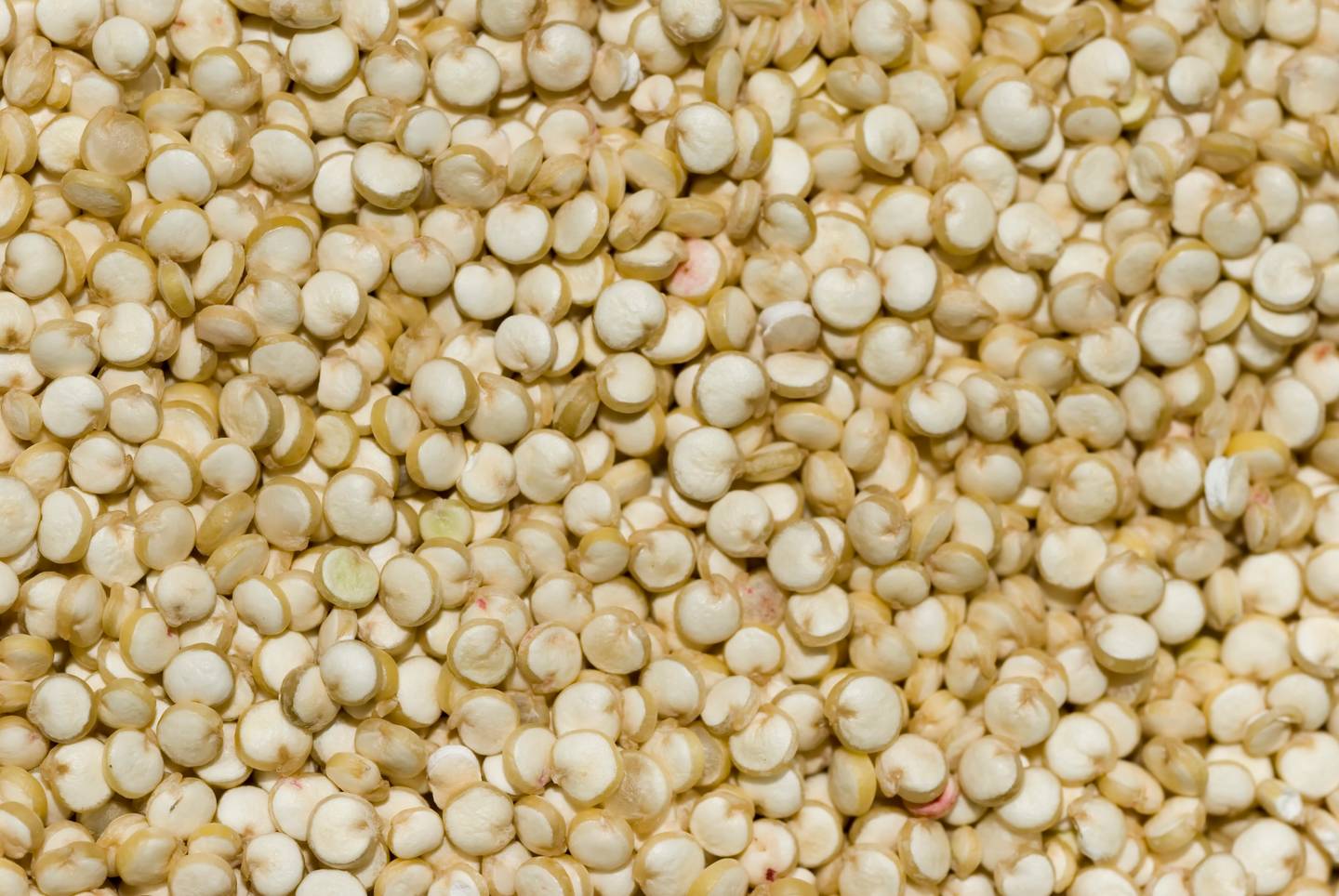
Quinoa is a small edible seed cooked and served much like a grain. It has a mild, slightly grassy flavor and works in warm bowls, salads and side dishes. It has a long history in the Andes and is available in several colors, most commonly white, red and black.
Botanically, quinoa is a pseudocereal rather than a cereal grass. In the kitchen, though, the useful question is usually whether you want it fluffy, warm, chilled or covered in dressing.
White, red or black quinoa?
White quinoa is commonly sold simply as “quinoa” and has a mild flavor. Red quinoa tends to hold its shape well after cooking, which can be useful in a salad. Black quinoa is darker and can taste a little earthier. Mixed-color packages combine them; follow the instructions on the particular blend.
Why rinse quinoa?
Quinoa naturally has a coating containing bitter compounds called saponins. Much commercially sold quinoa has already been washed, but a quick rinse can remove remaining residue. Use a fine-mesh sieve so the little seeds don't escape down the drain, and follow any specific directions on the package.
How to cook quinoa
The Whole Grains Council suggests 1 cup quinoa to 2 cups water, brought to a boil and simmered for about 12–15 minutes. This is a starting point; follow the packet when its directions differ.
- Rinse the quinoa in a fine sieve and drain.
- Add it to a pan with the water and bring to a boil.
- Reduce to a simmer and cook until tender and the liquid is absorbed. Fluff with a fork.
- For a cold salad, let it cool before adding vegetables and dressing.
If it's still hard, add a small amount of water and cook a little longer. If it's wetter than you'd like, let excess moisture evaporate gently rather than stirring it into a paste.
How to use it
Toss cooled quinoa with beans, herbs and vegetables for a salad, or serve it warm under roasted vegetables. It also works in soups and pilafs. For breakfast, try it with fruit and milk or a plant-based alternative.
Amaranth and teff are small seeds too, but they generally become creamier when simmered. They are useful in porridge and less natural substitutes when you want quinoa's separate grains.
Is quinoa gluten-free?
Quinoa itself is naturally gluten-free. If you must avoid gluten, check the label for a suitable product and inspect flavored mixes for other ingredients or cross-contact concerns.