Black-Eyed Peas: What They Are and How to Cook Them
Get to know black-eyed peas, their flavor, cooking basics and uses in dishes around the world.
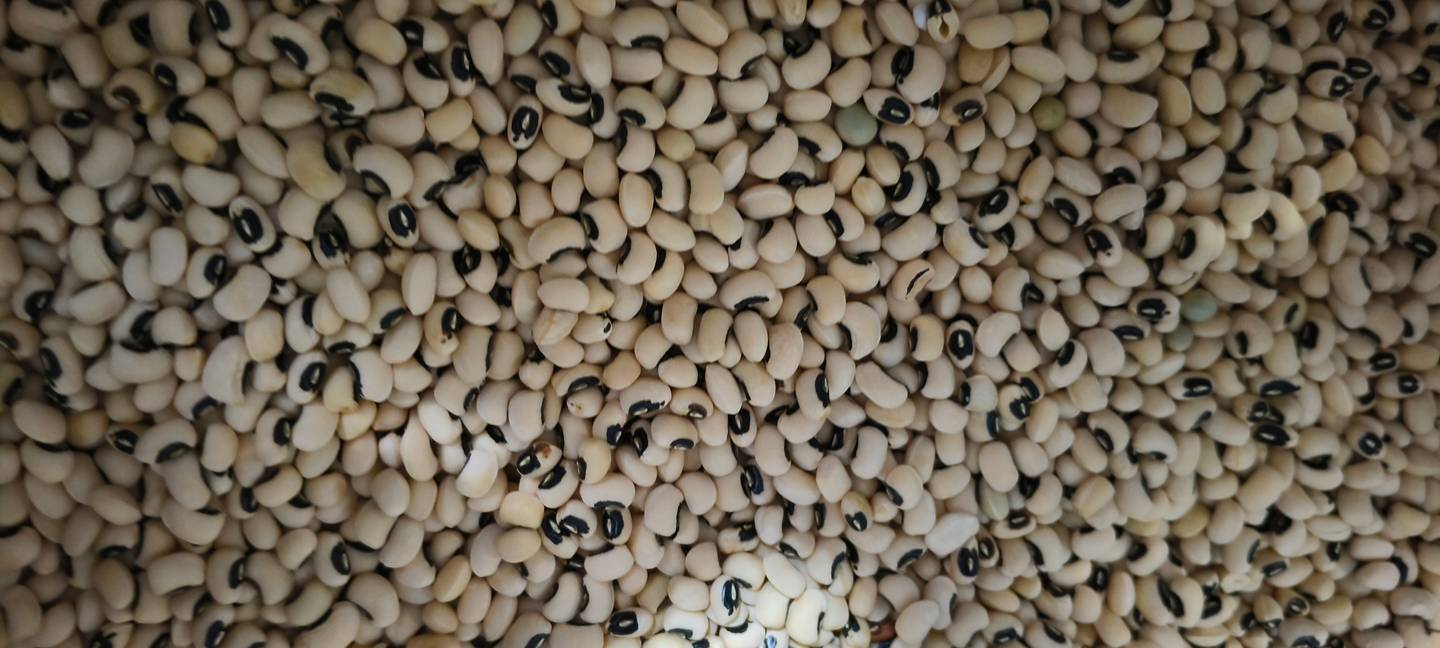
Black-eyed peas are cream-colored pulses with a dark mark, or “eye,” where the seed was attached to the pod. They are a type of cowpea and are used in dishes across West Africa and the American South. Despite the name, they are more bean-like in the kitchen than the green peas you might spoon beside a roast.
You'll find them dried, canned and sometimes frozen. Choose the form your recipe expects: canned peas are already cooked, while dried ones need time to become tender.
What do black-eyed peas taste like?
They have a mild, earthy flavor and a soft center when fully cooked. Their skins and characteristic dark eyes remain visible in many dishes. They can be served with rice, simmered in a stew or mashed into a creamy side.
In Ghanaian red red, black-eyed peas are commonly served in a red sauce with fried ripe plantain. In the American South, they appear in Hoppin' John, a dish of peas and rice. They're also used for West African akara, fritters made from a prepared pea batter.
How to cook dried black-eyed peas
Sort and rinse them, checking for small stones or debris. Soak according to the package or recipe, discard the soaking water and cook in fresh water until tender. A University of Alaska Extension Hoppin' John recipe uses a short soak and then cooks the peas for about 30 minutes before adding rice; other beans, soaking methods and recipes take longer.
Taste several peas to check that their centers are fully tender. Add water as needed. Canned black-eyed peas are already cooked: drain and rinse if your recipe directs, then warm them gently in a sauce or soup.
Can you substitute another bean?
For a flexible stew, cooked navy beans or another mild bean can work, but the flavor and appearance will differ. Pigeon peas are another possibility in some rice dishes; they are a different pulse, so use the form and cooking instructions called for by the substitute.
Are they the same as black beans?
No. Black beans are dark all over; black-eyed peas are usually pale with a dark eye. They are different pulses and can lend different flavors and colors to a dish. Both make good meals, which is a fairly pleasant disagreement to have.