Moth Beans (Matki): What They Are and How to Use Them
Explore moth beans, or matki, and learn how to use this small pulse in cooking.
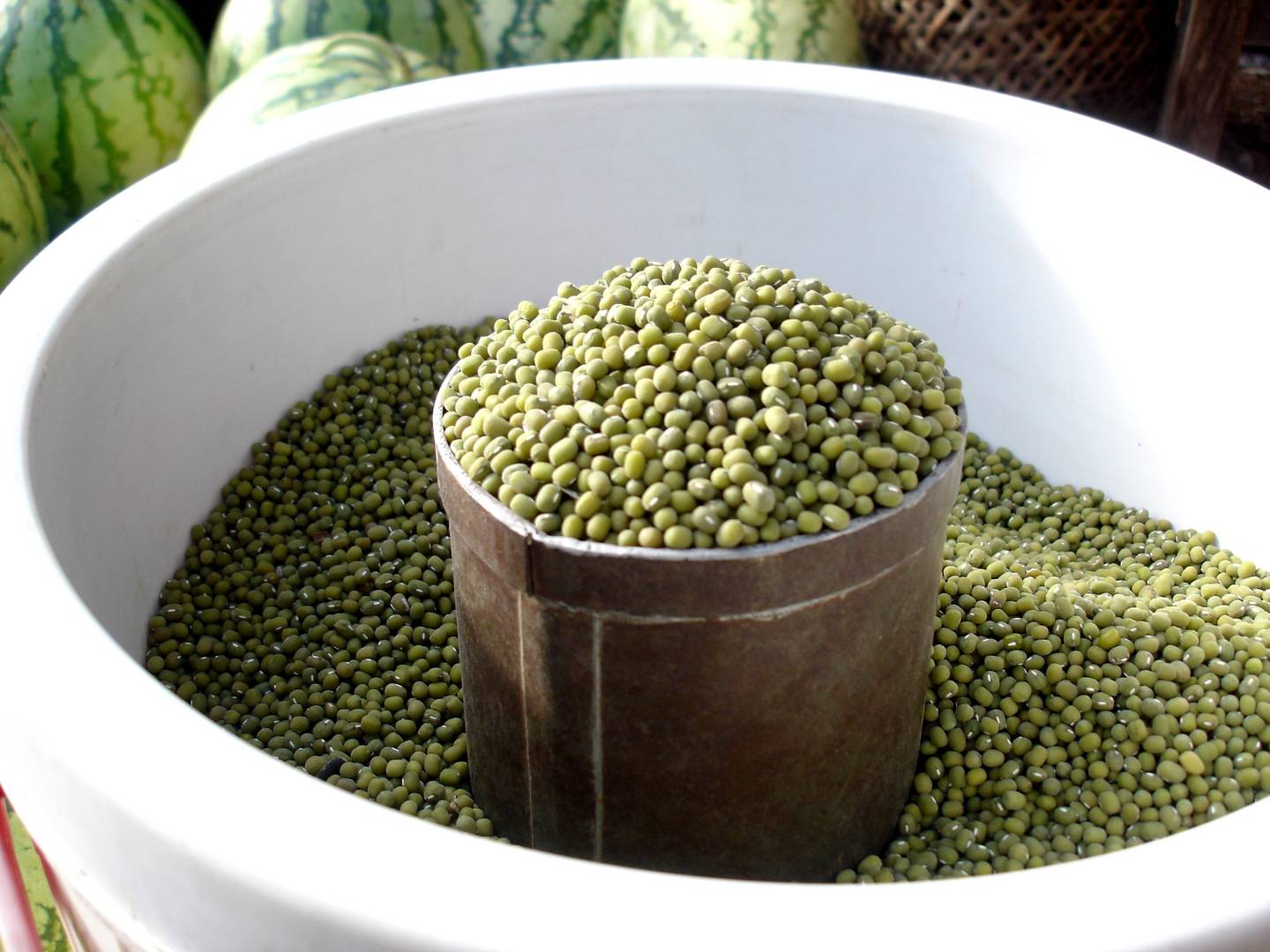
Moth beans, often called matki in India, are small pulses used in dishes such as Maharashtrian matki usal. The name has nothing to do with the insects in your sweater drawer; these beans are welcome in the kitchen.
They are sold dried, often in South Asian grocery shops. Their small size makes them easy to mistake for other beans, so look for “moth beans” or “matki” on the packet rather than choosing by color alone.
What do moth beans taste like?
They have an earthy, mild flavor that works well with onion, ginger, garlic and spices. In matki usal, sprouted moth beans are cooked in a spiced mixture; ingredients and consistency vary by household and region. A bowl can be a side, a filling meal with flatbread, or part of a larger spread.
How do you prepare them?
Sort and rinse dried beans, removing any stones or debris. Follow a reliable recipe or the package for soaking and cooking, and cook until tender. Age, water and the desired texture affect the time, so taste several rather than relying on the clock alone.
Some recipes sprout matki before cooking it. Sprouts can carry harmful bacteria, including when grown at home; cooking sprouts thoroughly reduces that risk. Follow current food-safety guidance and a trusted recipe, especially for anyone at higher risk of foodborne illness.
Can you substitute mung beans?
Whole mung beans can work in an adaptable spiced bean dish, but they are a different pulse and will change the flavor and appearance. Prepare the substitute according to its own instructions. For a specific matki usal, using moth beans gives the dish the intended character.