Horse Gram (Kulthi): What It Is and How to Cook It
Learn what horse gram is, how to prepare this pulse and where it is used.
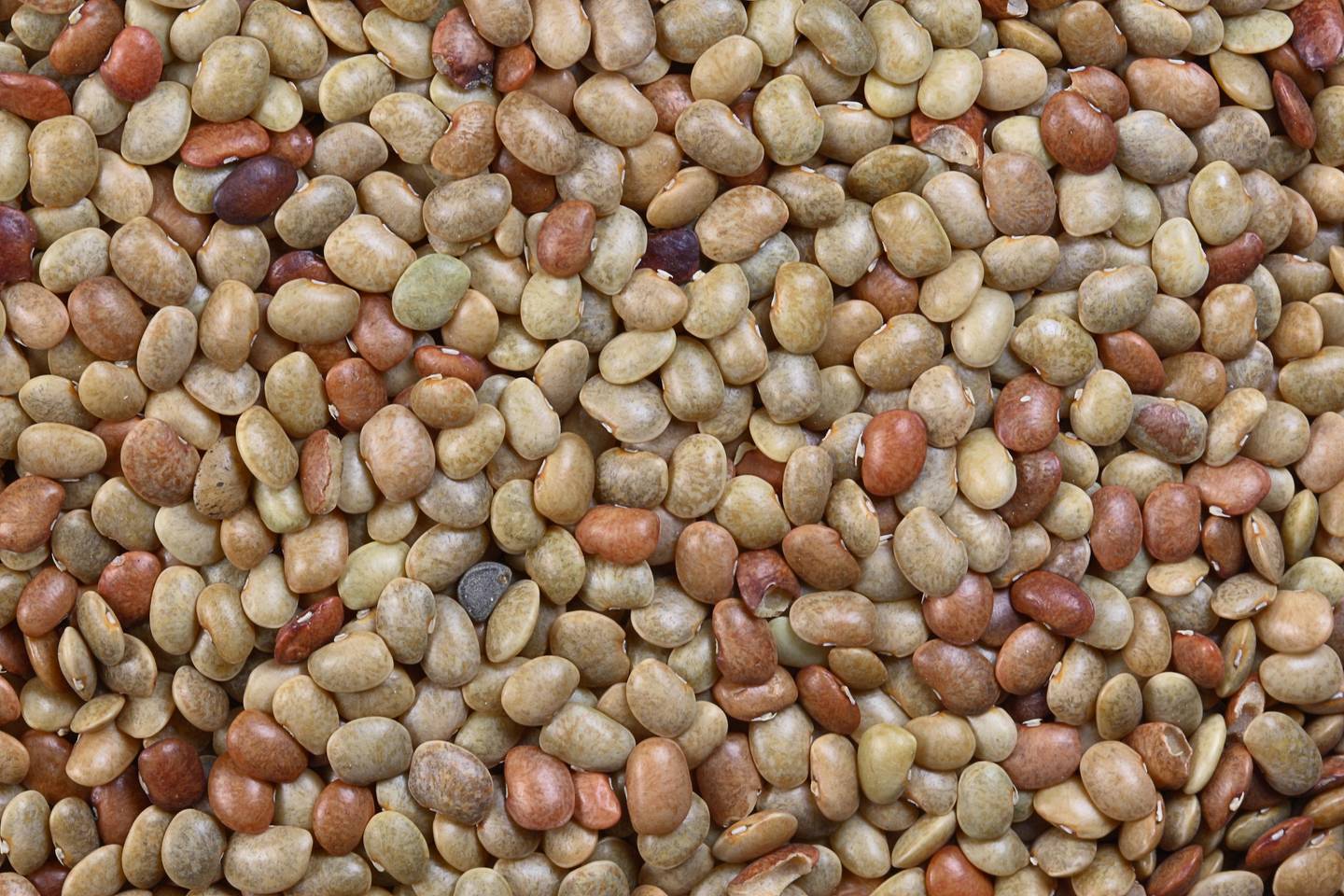
Horse gram is a small dried pulse used in several Indian regional cuisines. You may find it labeled kulthi, kulith, kollu or gahat, depending on language and region. Despite its English name, you do not need to own a horse to appreciate it.
It has a robust, earthy character and can be cooked into dals, soups and other dishes. One Uttarakhand Open University recipe for kulath ki khatti dal cooks horse gram with aromatics and finishes it with a tart tamarind seasoning.
How do you prepare horse gram?
Sort and rinse it first. Recipes differ in soaking time and equipment: the university's recipe uses a short soak and a pressure cooker, while other preparations may soak longer. Follow a reliable recipe suited to your particular product and cooker, and cook the pulse thoroughly until tender.
Don't translate pressure-cooker “whistles” directly into a universal number of minutes. Cookers vary; follow your appliance's instructions for filling and releasing pressure, and check tenderness after opening safely.
How can you serve it?
Try it in a seasoned dal with rice or flatbread, or in a warming soup. Some preparations use the cooked pulse and its liquid in different parts of the meal. Tart ingredients such as tamarind complement its earthy flavor; add them as your recipe directs.
What can you use instead?
Brown lentils or another small cooked pulse can work in a flexible soup, but they won't reproduce horse gram's precise flavor or cooking behavior. Cook the replacement according to its own instructions and adjust the liquid. For a regional dish where kulthi is the main ingredient, the original is worth seeking out.