Fonio vs Couscous: What Is the Difference?
Compare fonio and wheat couscous for flavor, texture, preparation and gluten.
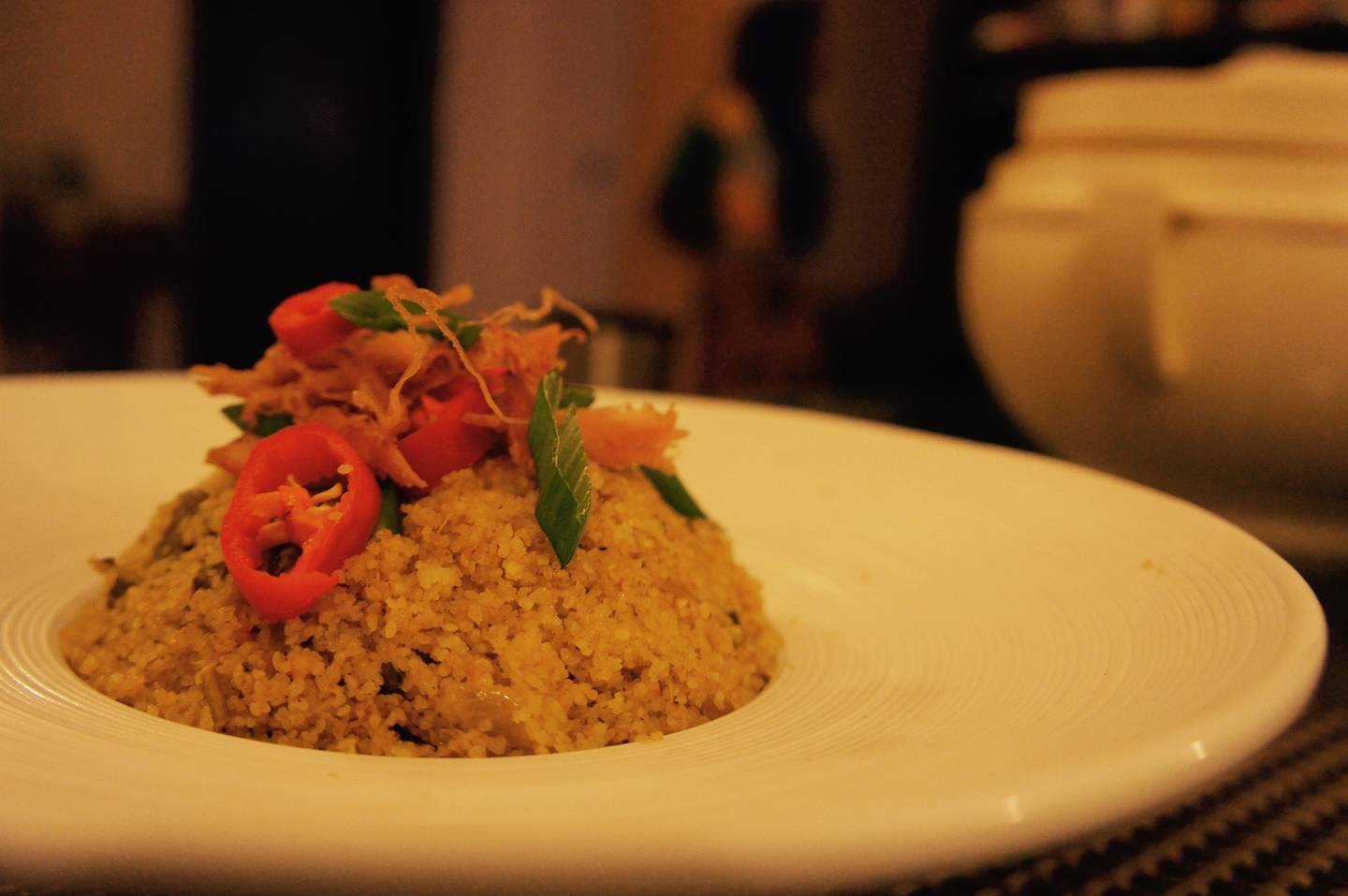
Fonio and couscous both make quick, small-grained sides, but they are different foods. Fonio is a tiny cereal grain grown and eaten in West Africa. Common couscous is made from wheat semolina formed into granules. Their similar appearance makes them useful swaps in some dishes, with a few important differences.
| Fonio | Wheat couscous | |
|---|---|---|
| What it is | A small cereal grain | Granules made from wheat semolina |
| Flavor | Mild and gently nutty | Mild, making it a good base for sauces |
| Gluten | Naturally gluten-free; check cross-contact | Contains wheat and gluten |
| Good for | Bowls, salads, sides and porridge | Salads, sides and dishes with vegetables or sauces |
The couscous traditions recognized by UNESCO include hand-rolling semolina and steaming it. Many supermarket products are processed for quicker preparation, so a package's directions may look quite different from a traditional method.
Can you substitute fonio for couscous?
Yes, in a flexible grain bowl or salad. Cook the fonio according to its own packet, fluff it, then measure out the cooked amount needed. Its tiny grains and flavor will give the dish a different character. A larger pearl couscous has a noticeably different size and chew, so fonio is less similar there.
The reverse swap can work too, but wheat couscous is unsuitable for someone who must avoid gluten. Fonio is naturally gluten-free; if you have celiac disease, choose a product labeled appropriately and check cross-contact information.
Do they need the same amount of water?
Not necessarily. Processing differs by brand. Yolélé's fonio guidance uses a short covered rest followed by fluffing; the directions for your couscous or fonio may specify a different ratio and time. Prepare each separately rather than assuming the same liquid will work.
Both make good companions for vegetables and a generous spoonful of sauce. Neither is obliged to wear the other's name tag.