How to Cook Fonio Without Clumping
Prepare light, fluffy fonio with practical tips for the water, resting time and texture.
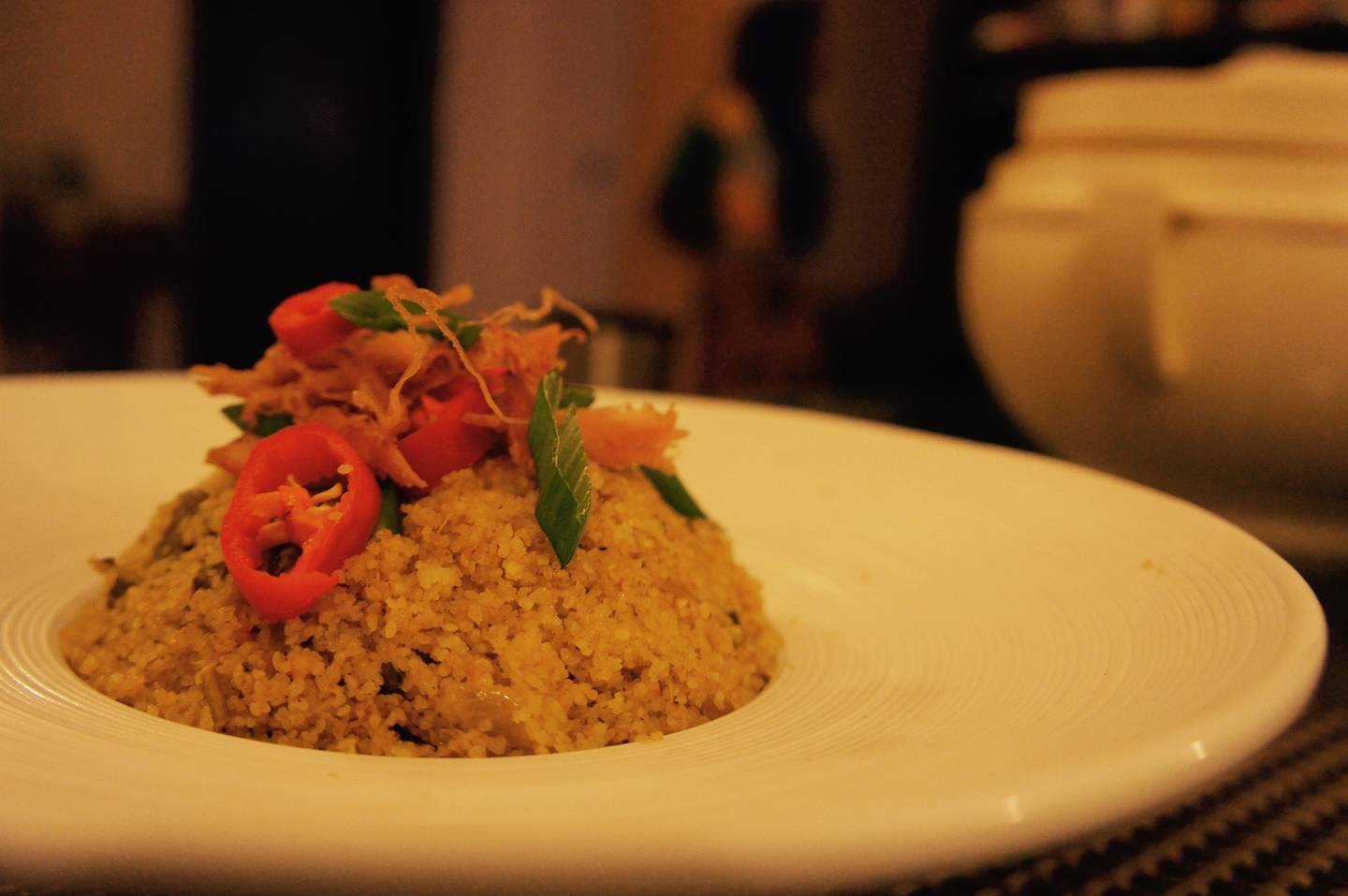
For fluffy fonio, measure the water for your particular product, keep the pan covered while it rests, then separate the grains gently with a fork. Too much water or constant stirring can give you a softer result when what you wanted was a light side dish.
Fonio is tiny and cooks quickly. Stay nearby: it has a habit of being ready before the rest of dinner has found its shoes.
A simple stovetop method
Yolélé's instructions for its fonio use a two-to-one ratio of water to grain, a short cooking period, and a covered rest. For a small batch, that is ½ cup fonio and 1 cup water. This is a starting point for that product; check your own package because processing and directions vary.
- Measure the grain and water. If your packet calls for rinsing, follow its instructions; a very fine sieve can help contain the small grains.
- Bring the water and fonio to a boil as directed by the product. A little oil is optional in some methods.
- Cover and lower or turn off the heat according to the packet. Yolélé's guidance calls for a covered rest of about five minutes.
- Fluff with a fork, separating any clumps gently. Serve as a side or let it cool promptly for a salad.
What if it is wet or dry?
If it is too wet, the producer suggests a little longer cooking. If it is too dry, add a spoonful of water, cover and cook briefly. Next time, measure carefully and use the package instructions for your specific grain.
More liquid and stirring can be useful when you want a creamy porridge. Clumping is not a culinary emergency; sometimes it is simply a different texture waiting for a spoon.
How can you use it?
Serve fonio beneath a stew, toss it with herbs and vegetables, or use it as the base of a bowl. It is naturally gluten-free, but people with celiac disease should check the label for appropriate cross-contact controls.